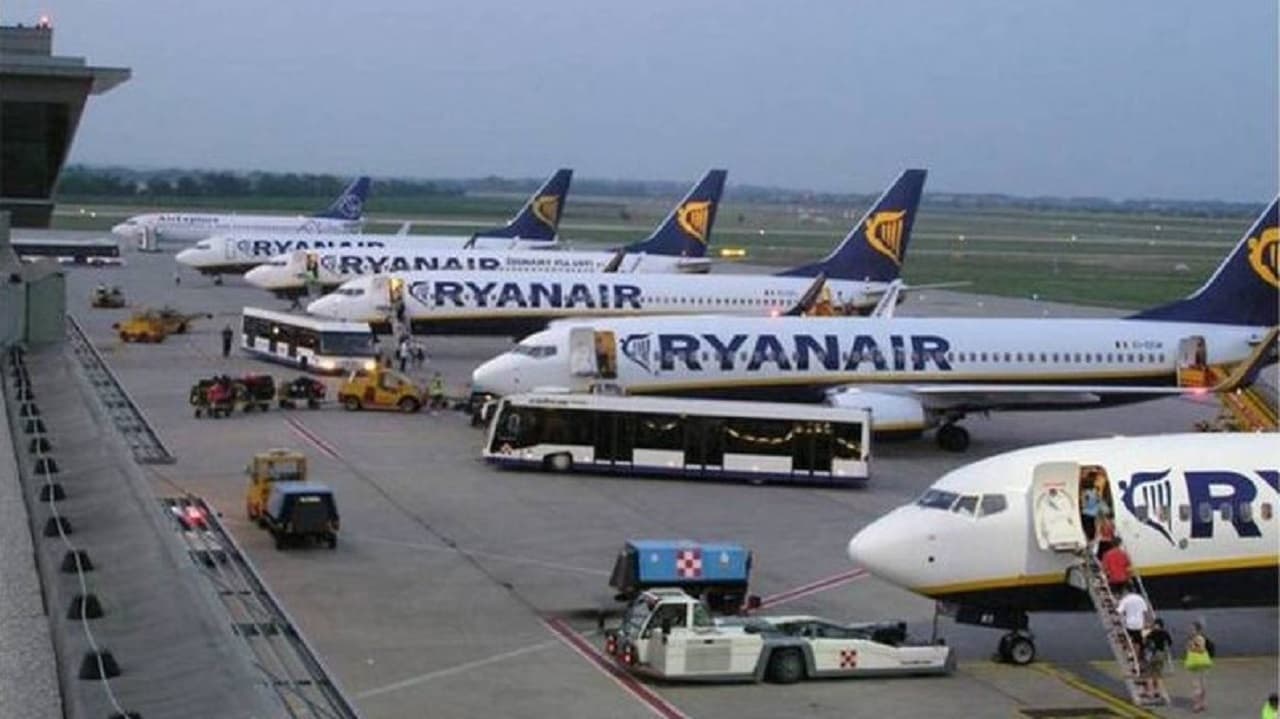
**Austrian Supreme Court Rules Against Ryanair's Hidden Fees**
On May 14, the Austrian Supreme Court delivered a landmark ruling against Ryanair, declaring 14 clauses in the airline's general terms and conditions illegal. The decision targets fees that the court found to be insufficiently transparent and unfairly disadvantageous to passengers. Among the contested charges are the €55 fee for airport check-in when a passenger fails to check in online, the €15 charge for printing a boarding pass at the counter, €25 fees for infants traveling on an adult's lap, name change fees up to €160, and certain reservation modification charges and "mandatory family seating" fees.
The court ruled that these fees must be clearly explained at the time of booking, both in amount and in the exact circumstances under which they apply, to meet transparency requirements under Austrian and European consumer law. The case was brought by the VKI (Verein für Konsumenteninformation), which argued that many of these "optional" fees could be imposed even when the passenger was not at fault—for example, when online check-in fails due to a technical issue on Ryanair's side.
**Implications for Aviation Training**
For ATPL and ATC students, this ruling is a practical case study in how regulatory frameworks shape airline operations. It highlights the tension between low-cost carriers' ancillary revenue models and consumer protection laws. Understanding such legal precedents is crucial for future pilots and controllers who will operate in an environment where passenger rights are increasingly enforced. The decision also reinforces the importance of transparency in pricing—a principle that extends to how airlines communicate with passengers during irregular operations, which directly affects crew workload and passenger management.
**Ryanair's Response and Next Steps**
Ryanair has downplayed the ruling, arguing that the court did not declare its entire pricing model illegal and that no systematic refunds have been ordered. However, the airline must adapt its terms and conditions in Austria within three months and publish the decision on its website and in Austrian press. The VKI believes the ruling opens the door for passengers to claim refunds for fees they paid under the now-illegal clauses, citing a previous district court decision that ordered a refund of the €55 airport check-in fee when the passenger could not check in online due to a technical problem caused by the airline.
**Broader Context**
This ruling aligns with European Court of Justice case law, particularly the C‑28/19 Ryanair/AGCM decision, which governs how airlines can charge for ancillary services. For aviation professionals, staying informed about such regulatory developments is essential, as they influence operational procedures, customer service policies, and even cockpit resource management. The Austrian decision serves as a reminder that transparency is not just a legal requirement but a cornerstone of fair and efficient air transport.