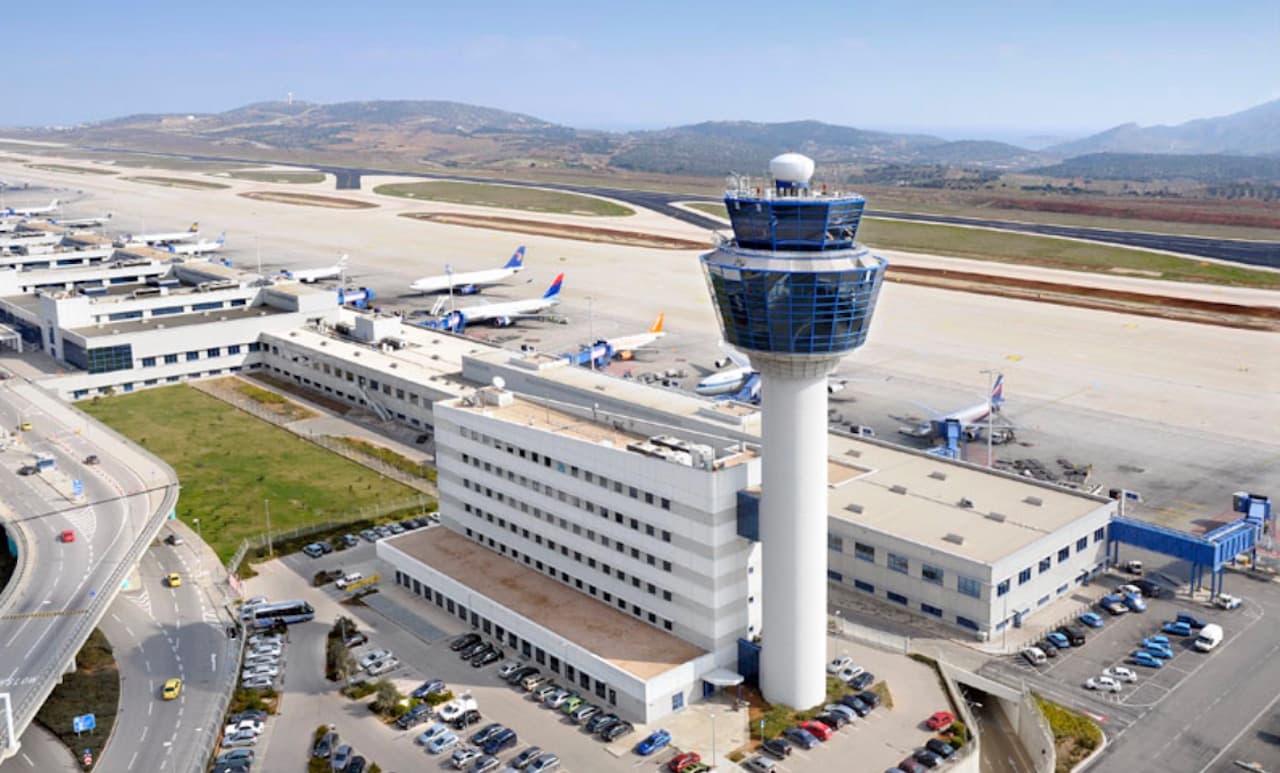
**Athens Airport Hits 15.75 Million Passengers in H1 2026**
Athens International Airport "Eleftherios Venizelos" has reported a record 15.75 million passengers for the first half of 2026, a 4.5% increase over the same period in 2025. This growth comes despite ongoing geopolitical tensions in the Middle East, underscoring the resilience of Greek aviation. Domestic traffic rose by 5.1%, while international traffic grew by 4.2%, with both segments exceeding 2025 levels. For ATPL and ATC students, such figures are not just statistics—they translate into real-world operational challenges. Higher passenger numbers mean increased aircraft movements, which directly impact air traffic control workload, runway capacity management, and slot allocation. Understanding how airports like Athens handle seasonal surges is crucial for future pilots and controllers.
**June 2026 Performance and Aircraft Movements**
June 2026 alone saw 3.51 million passengers, a 1.7% year-on-year increase. Domestic traffic reached 1.04 million (+2.3%), and international traffic hit 2.48 million (+1.5%). Aircraft movements totaled 132,933 in H1 2026, up 3.9% from H1 2025, with domestic flights rising 4.7% and international flights up 3.3%. For ATC trainees, this data highlights the importance of managing peak-hour traffic flows, especially as low-cost carriers expand their networks. Pilots in training should note that such growth often leads to revised standard instrument departures (SIDs) and standard terminal arrival routes (STARs), as well as updated noise abatement procedures. The airport operator remains confident of a new annual record, driven by Greek and European low-cost airlines.
**Broader Context: Greek Tourism and Infrastructure**
Greece welcomed nearly 38 million visitors in 2025, a 5.6% increase, with tourism contributing 12.7% of GDP. However, overtourism pressures are mounting on islands like Santorini, Mykonos, Crete, and Rhodes, where airport and cruise capacities are expanding. For ATPL students, this means more complex flight planning into secondary airports with limited infrastructure. ATC students should study how airspace sectors are reconfigured during peak seasons to accommodate increased traffic. The European Travel Commission ranks Greece in the top five European destinations for summer and autumn 2026, indicating sustained demand. This growth reinforces the need for efficient airspace management and robust contingency planning—key topics in both ATPL and ATC curricula.
**Conclusion: A Case Study in Aviation Growth**
Athens Airport's record performance offers a practical case study for aviation students. It demonstrates how economic factors, tourism trends, and geopolitical risks interact to shape traffic patterns. For ATPL candidates, understanding these dynamics aids in anticipating operational constraints. For ATC trainees, it emphasizes the importance of flexible sectorization and proactive coordination with adjacent centers. As Athens moves toward another record year, the lessons learned here apply to any growing hub worldwide.