**A high-profile CEO move**
Anko van der Werff, the current CEO of Scandinavian Airlines (SAS), will step down in early 2027 to become the new President and CEO of Air Canada. This transition, announced simultaneously by both carriers, marks a significant shift in leadership for two airlines undergoing major strategic transformations. Van der Werff, a Dutch executive with over 25 years of experience in commercial aviation, has held top positions at Avianca, Aeromexico, Qatar Airways, and within the Air France-KLM group. His appointment at Air Canada is particularly notable for his fluency in French, a requirement that has become a sensitive issue for the Canadian flag carrier following a public controversy over the lack of French language use by his predecessor, Michael Rousseau.
**Why this matters for ATPL and ATC students**
For students pursuing an ATPL or ATC career, this news goes beyond a simple executive shuffle. It illustrates how airline leadership decisions directly affect network planning, operational priorities, and regulatory compliance. Van der Werff's experience at SAS, where he led a financial restructuring and repositioning after the pandemic, and his previous roles in Latin America and the Middle East, suggest that Air Canada may pursue a more aggressive international expansion or cost optimization strategy. Understanding these dynamics helps future pilots and controllers anticipate changes in route structures, fleet composition, and operational procedures—factors that influence everything from flight planning to airspace management.
**The French language factor**
Air Canada explicitly listed the ability to communicate in French as a selection criterion, reflecting the legal and reputational importance of bilingualism under Canada's Official Languages Act. For ATPL students, this highlights that language skills are not just a personal asset but a regulatory requirement in certain jurisdictions. ATC students, especially those working in Canadian airspace, must also be aware of bilingual communication protocols. This case underscores that aviation professionals need to stay informed about national regulations that can impact their daily work.
**Strategic implications for both airlines**
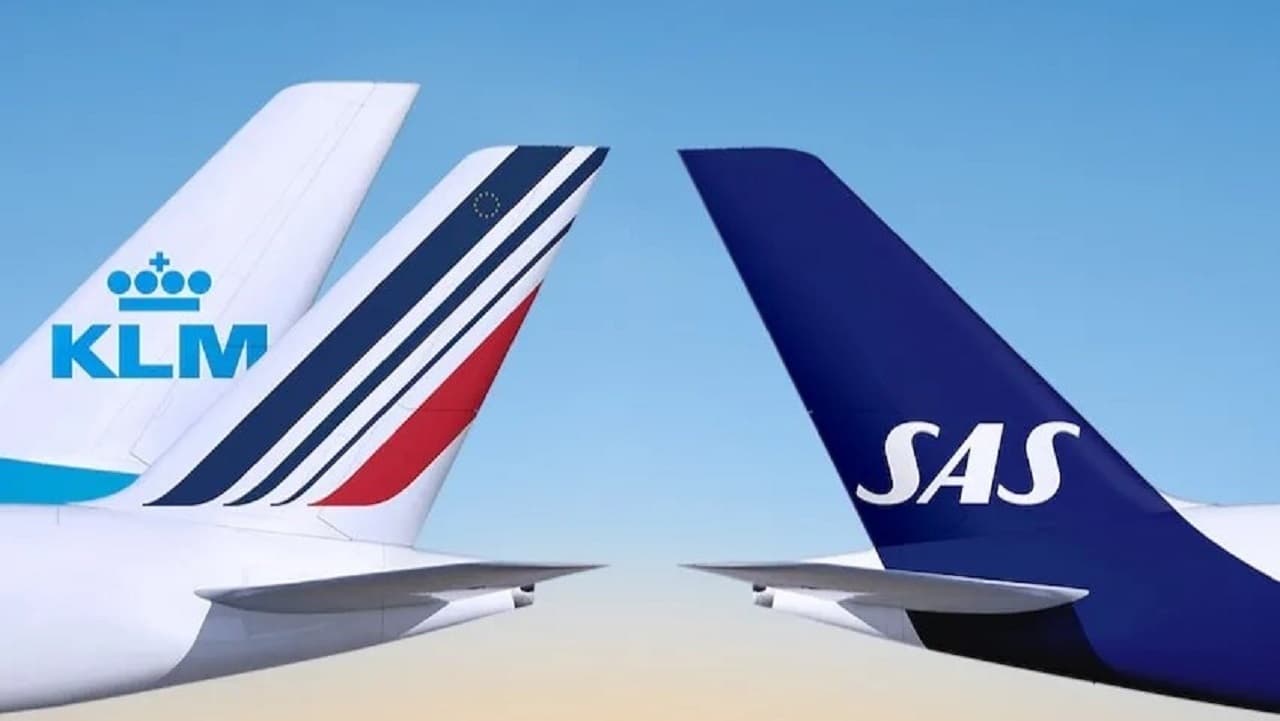
At SAS, van der Werff's departure comes at a critical time. The airline is still integrating Air France-KLM as a key shareholder and working to stabilize its operations after a turbulent restructuring. His successor will need to maintain continuity while navigating intense competition on European long-haul routes. For Air Canada, the new CEO will face challenges including transatlantic network adjustments, rising cost pressures, and environmental constraints. Students should note that such leadership changes often lead to shifts in fleet orders, codeshare agreements, and even hub operations—all of which affect the aviation ecosystem.
**A broader trend in aviation leadership**
This move also highlights the global mobility of top aviation executives. Van der Werff's career path—from Europe to Latin America to the Middle East and back—demonstrates that cross-cultural experience is highly valued in the industry. For ATPL and ATC students, this is a reminder that aviation is an international field where adaptability and a broad understanding of different markets can open doors. The emphasis on governance and regulatory compliance in this appointment also signals that future aviation leaders must be well-versed in legal and societal issues, not just operational ones.