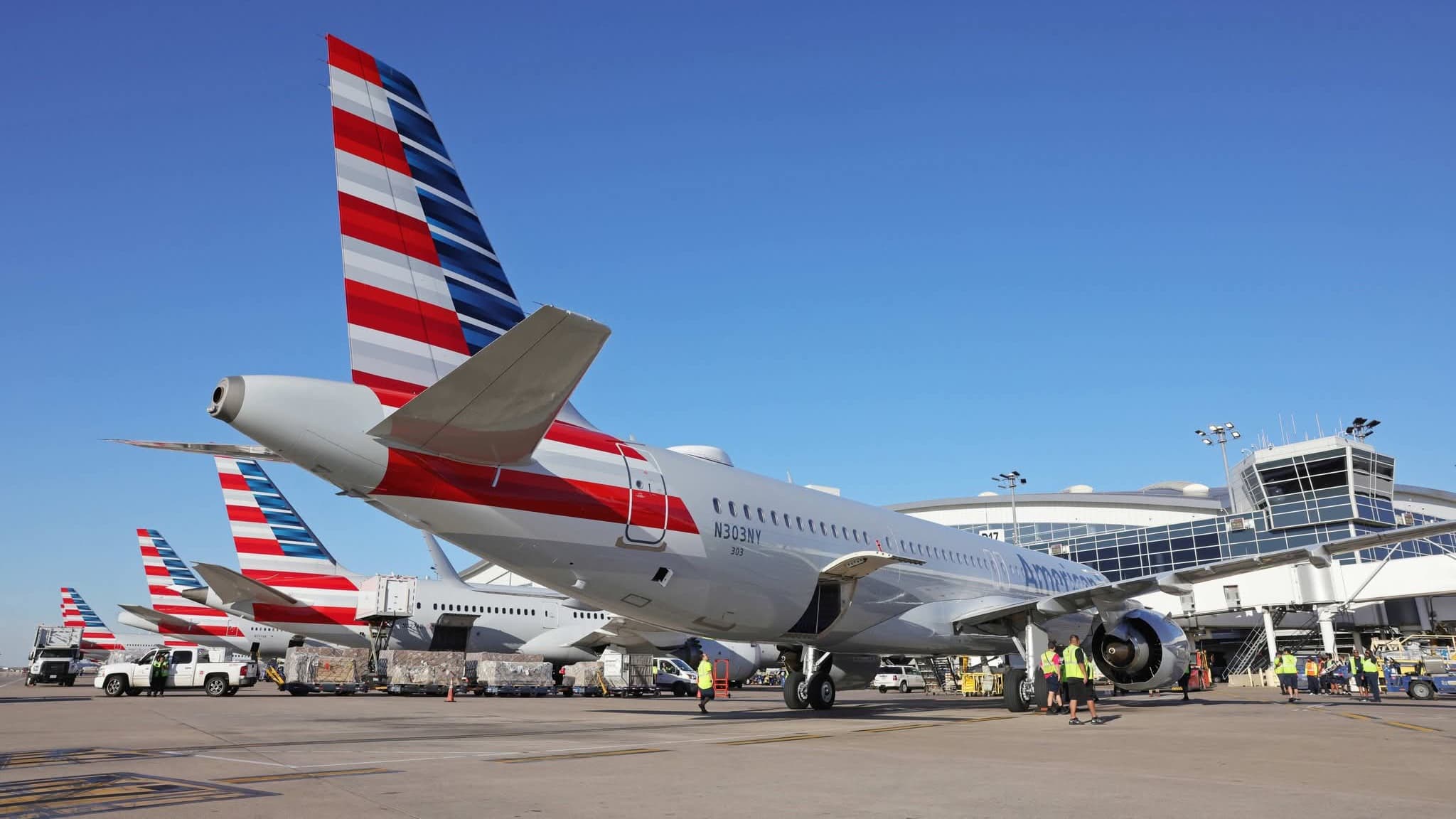
American Airlines has turned to the aircraft-backed securities market once again, raising approximately $1.14 billion through an Enhanced Equipment Trust Certificate (EETC) issuance. The deal, designated as Series 2026-1, is secured by a portfolio of 32 Airbus and Boeing aircraft, blending next-generation narrowbodies with long-haul widebodies. This is a typical move in U.S. aviation finance, allowing carriers to monetize the residual value of their aircraft to absorb the shock of rising fuel costs, which American estimates will add over $4 billion to its annual expenses in 2026 if prices remain high.
EETCs are a type of secured bond widely used by U.S. airlines to access investment-grade-like financing despite having lower issuer credit ratings. According to S&P Global Ratings, which analyzed the Series 2026-1, these structures allow high-yield issuers to borrow in the investment market by using aircraft as priority collateral. The collateral pool includes six new or soon-to-be-delivered Airbus A321XLRs (expected between mid-2025 and mid-2026), eleven recently delivered Boeing 737 MAX 8s entering service in 2026, twelve Airbus A321ceos delivered between 2013 and 2015, and three Boeing 777-300ERs from 2013. This mix offers investors diversification in terms of age, aircraft type, and market profile (domestic, transcontinental, and long-haul).
The A321XLRs will play a key role in American's long-haul strategy, particularly on transatlantic routes where their range and optimized cabin density provide a competitive edge. The 737 MAX 8s offer significant fuel savings over previous generations, enhancing collateral appeal amid uncertain oil prices. The 777-300ERs remain pillars of American's long-haul operations on major markets and retain appreciable residual value despite newer types like the 787 and 777X entering the market.
American plans to use the net proceeds for two main purposes: financing deliveries of 17 new aircraft and refinancing loans on 15 existing aircraft. This strategy allows the airline to replace potentially more expensive bank financing or export credits with better-rated EETCs, resulting in more attractive coupons. According to Bloomberg, the long portion of the issuance, about $905 million, offers a yield around 5.625%, while shorter notes maturing in nine years yield approximately 5.75%, after an initially higher price was considered. For a carrier heavily exposed to rising operating costs, the ability to access this type of asset-backed financing is strategic. It helps smooth aircraft depreciation profiles, optimize average debt costs, and preserve cash for other operational or investment needs, including customer experience and operations.
This deal comes as American Airlines faces a severe fuel cost shock due to geopolitical tensions in the Middle East. The airline has revised its 2026 profit outlook downward, warning that higher jet fuel prices could add over $4 billion to its annual bill if current levels persist. EETCs have long been a preferred financing instrument for U.S. airlines, sitting at the intersection of asset finance and bond markets. In these structures, aircraft are placed in special-purpose entities that issue certificates to investors; in case of default, investors have priority rights over the financed aircraft.