**A Record SAF Certificate Agreement**
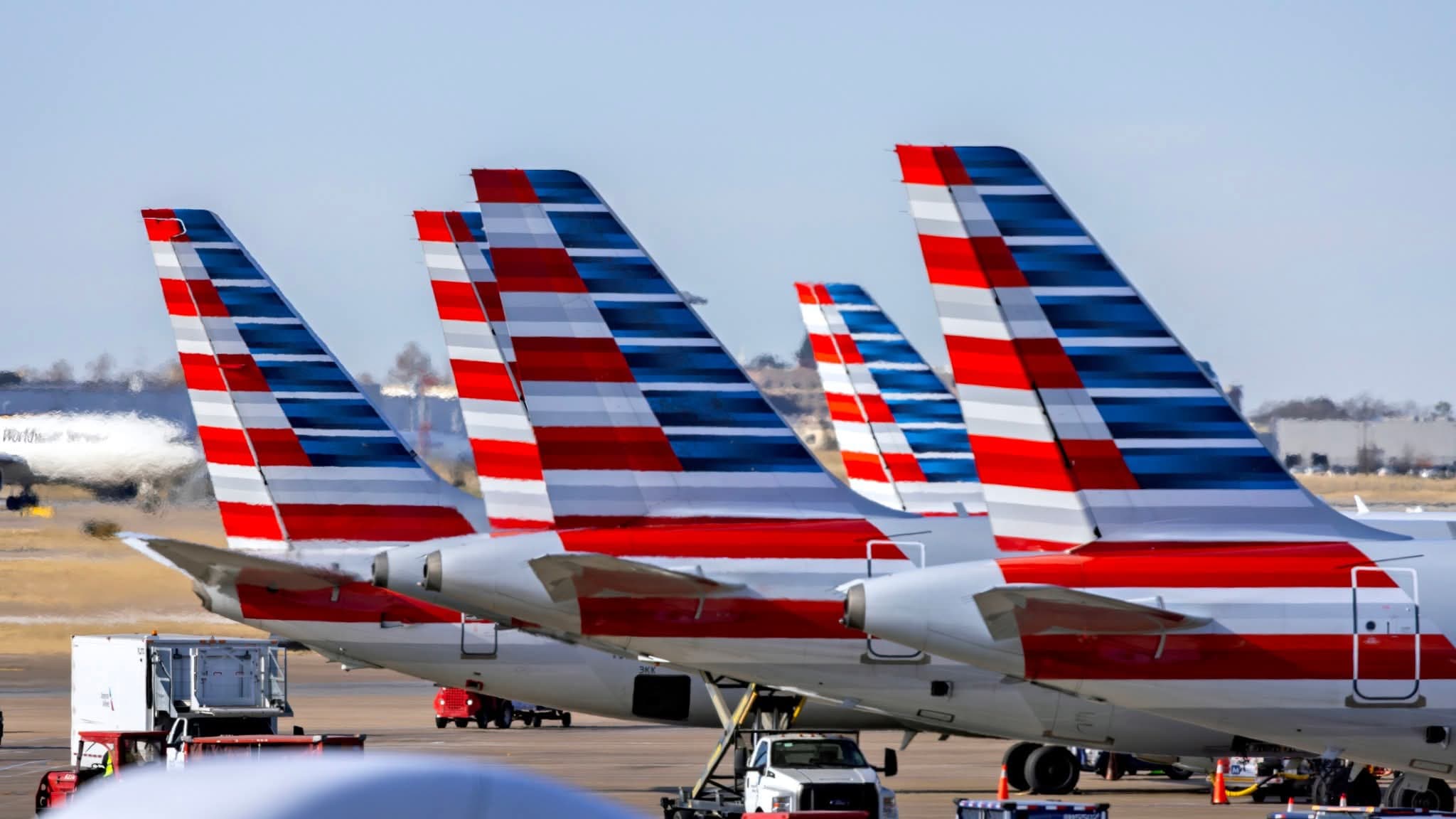
American Airlines and Google have announced what they describe as the largest-ever purchase of sustainable aviation fuel certificates (SAFc) between an airline and a corporation. Over three years, the deal will mobilize approximately 132 million liters (35 million gallons) of SAF, avoiding nearly 300,000 tonnes of CO₂ emissions. The agreement uses a book-and-claim mechanism, which separates the physical use of the fuel from its environmental benefits. American Airlines will purchase and use SAF at Chicago O'Hare International Airport (ORD), sourced from waste oils and other feedstocks, while Google will claim the corresponding emission reductions to offset a portion of its business travel.
**Why This Matters for ATPL and ATC Students**
For future pilots and air traffic controllers, understanding SAF is no longer optional—it is becoming a core part of aviation operations. The SAF certificate system (SAFc) is a market-based mechanism that airlines increasingly rely on to meet sustainability targets. ATPL students should know how SAF is produced, its blending limits with conventional jet fuel (currently up to 50% for most approved pathways), and its impact on aircraft performance and fuel planning. ATC trainees, meanwhile, may encounter SAF-related procedures at major hubs like Chicago O'Hare, where dedicated infrastructure and supply chains are being developed. This deal also underscores the importance of policy incentives: the agreement was enabled by an Illinois state tax credit for SAF, showing how government action can accelerate industry change.
**Market Structure and Industry Signals**
The partnership also helped American Airlines secure a new supply agreement with Valero Marketing and Supply Company, a major U.S. refiner and fuel distributor. Google's sustainability chief, Kate Brandt, emphasized that long-term commitments send a strong signal to investors, encouraging more SAF production capacity. Yet the International Air Transport Association (IATA) warns that global SAF production is expected to reach only 2.4 million tonnes in 2026—just 0.8% of total jet fuel consumption. This gap between ambition and reality is a critical topic for aviation students: it highlights the technical, economic, and regulatory challenges that will shape the industry for decades.
**Policy as a Catalyst**
Illinois Governor JB Pritzker highlighted the state's role in creating a supportive tax environment. This case study is directly relevant to ATPL and ATC training because it demonstrates how non-technical factors—legislation, subsidies, and corporate partnerships—directly influence fuel availability, airport operations, and route planning. Students should be aware that SAF infrastructure is not evenly distributed; it is concentrated in regions with strong policy support, such as California, Illinois, and parts of Europe.
**Conclusion**
The American Airlines-Google deal is more than a corporate announcement—it is a practical example of how the aviation industry is evolving. For those training to become pilots or controllers, mastering the basics of SAF, carbon markets, and regulatory frameworks will be essential for career readiness in a decarbonizing sector.