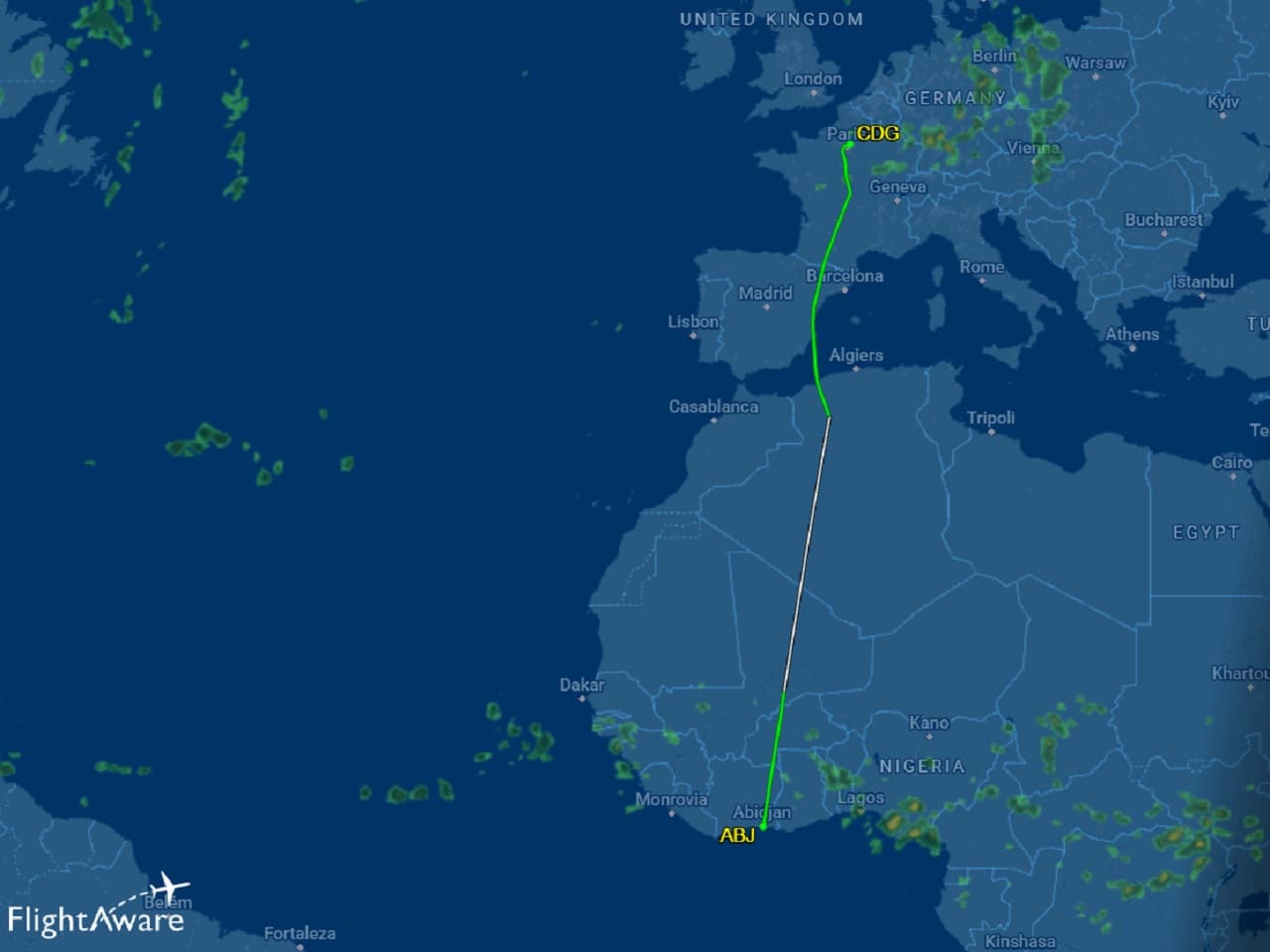
**A diplomatic thaw that reshapes the skies**
On July 10, 2026, Algeria and Mali announced the reciprocal reopening of their airspace, ending a 15-month standoff that had forced airlines flying between Europe and West Africa to take costly detours via Morocco and Mauritania. For aviation professionals, this is more than a political headline — it is a textbook case of how geopolitics directly affects flight planning, fuel consumption, and operational costs.
**What happened and why it matters**
Since April 2025, Algeria had banned any aircraft from or destined for Mali from overflying its territory, and Mali reciprocated. This meant that airlines like Air France, Brussels Airlines, and Air Algérie had to route around both countries simultaneously, adding 30 to 45 minutes to flights to destinations such as Dakar, Abidjan, and Lomé. The closure also compounded existing security risks in the Sahel region, making route planning even more complex.
With the reopening, carriers can now revert to more direct tracks. Air France, for example, expects to save 30–45 minutes per flight on its West African services. Brussels Airlines sees a clear operational and economic gain. For Air Algérie, the reopening opens up shorter corridors to Bamako and neighboring capitals.
**What ATPL and ATC students should learn from this**
This event is a real-world illustration of several key ATPL syllabus topics:
- **Route planning and fuel management**: A 30-minute saving on a sector translates directly into lower fuel burn, reduced emissions, and lower operating costs. Students should understand how airspace closures force operators to recalculate fuel loads, alternate airports, and contingency plans.
- **NOTAMs and airspace restrictions**: The closure was enforced through NOTAMs. Future controllers and pilots must be able to interpret such restrictions and adapt flight plans accordingly.
- **Geopolitical awareness**: Aviation does not operate in a vacuum. Diplomatic tensions can close airspace overnight, and professionals must be ready to reroute, re-file, and communicate changes to dispatchers and ATC.
- **Operational resilience**: The fact that airlines had to fly via Morocco and Mauritania shows the importance of having alternative routes pre-planned. This is a core part of flight dispatch and ATC contingency planning.
**A fragile but welcome recovery**
While the reopening is a relief, the broader security situation in the Sahel remains volatile. European authorities had previously deemed overflight of Mali dangerous, and airlines had been cautious. The lesson for students is that airspace is never static — it is shaped by politics, security, and diplomacy as much as by weather and traffic.
For ATPL candidates, this case reinforces the need to study airspace classifications, overflight permits, and the role of international agreements. For ATC trainees, it highlights how cross-border coordination is essential when national airspace is suddenly closed or reopened.
In short, the Algeria-Mali reconciliation is not just good news for airlines — it is a valuable learning opportunity for anyone preparing for a career in aviation.