**A New Transatlantic Player**
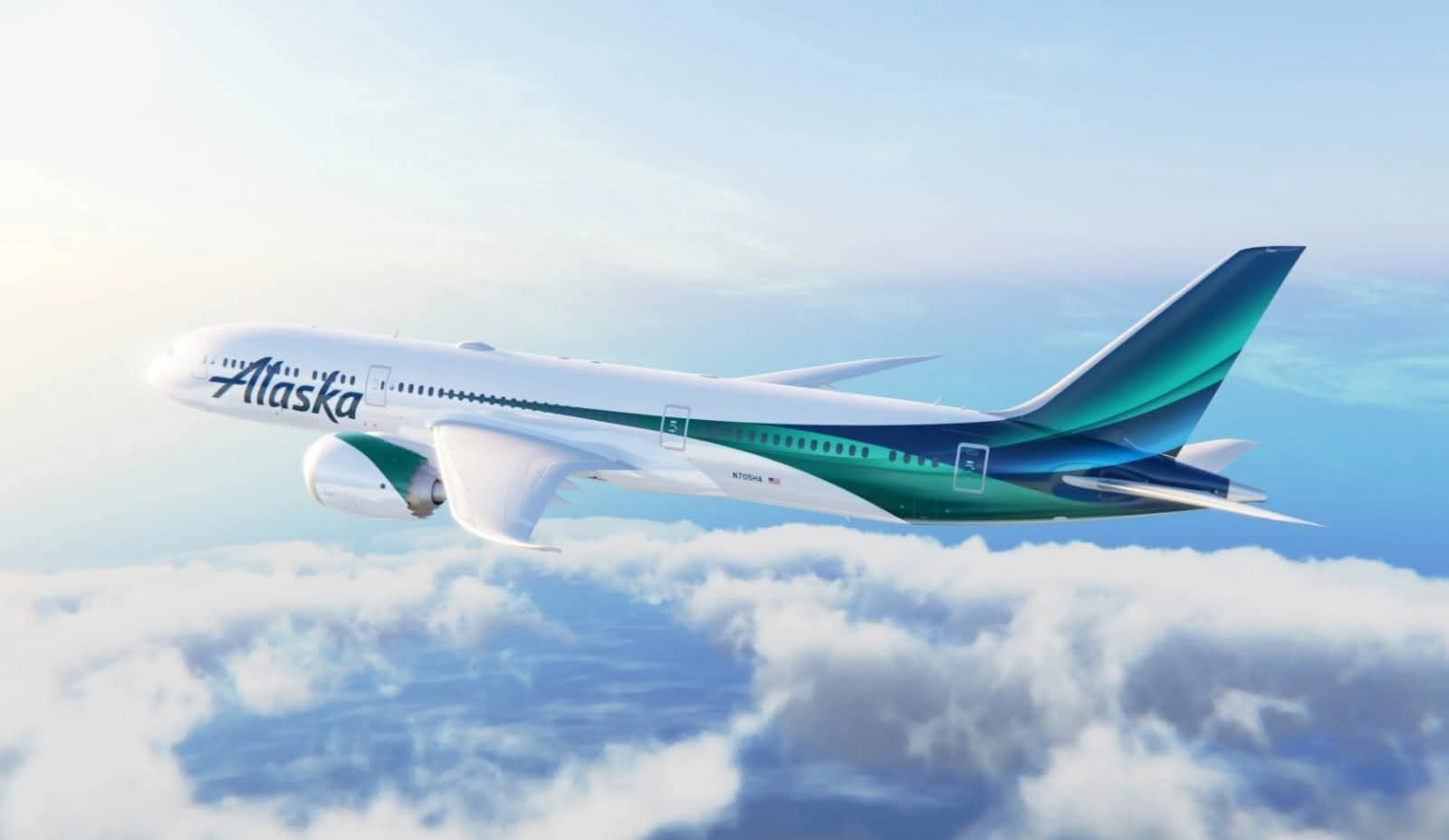
On May 21, 2026, Alaska Airlines made history by landing its first Boeing 787-9 Dreamliner at London Heathrow, inaugurating a daily year-round service from Seattle-Tacoma. This flight, operated by aircraft N781HA, took approximately nine hours and signals the carrier's ambition to compete on one of the world's most coveted long-haul routes. For ATPL and ATC students, this development offers a real-world case study in airline network strategy and the operational complexities of entering a slot-constrained airport like Heathrow.
**Strategic Expansion via oneworld**
Alaska Airlines' entry into Heathrow comes just a month after its first-ever European route to Rome was launched. The carrier, historically focused on domestic U.S. markets, Alaska, and Hawaii, is now rapidly pivoting toward international growth. Its membership in the oneworld alliance—alongside British Airways and American Airlines—provides critical connectivity. Through Heathrow, passengers can access dozens of destinations across Europe, Africa, and the Middle East. This alliance-based expansion model is a key topic in ATPL syllabus modules on airline economics and commercial operations.
**Fleet and Future Plans**
The long-haul fleet relies on Boeing 787 Dreamliners acquired through the Hawaiian Airlines merger, a strategic move that allowed Alaska to bypass the costly process of ordering new widebodies. The airline aims to serve a dozen international destinations by 2030, with a future route to Reykjavik (operated by Boeing 737 MAX 8) planned for 2028. For ATC students, the introduction of new long-haul flights from Seattle and the associated airspace coordination challenges are relevant to understanding traffic flow management and airport slot allocation.
**Implications for Aviation Training**
This expansion illustrates how airlines leverage fleet acquisitions, alliances, and hub geography to grow internationally. ATPL candidates should note the importance of slot coordination at congested airports like Heathrow, while ATC trainees can study the impact of new long-haul operations on oceanic airspace and arrival sequencing. The move also highlights the role of aircraft performance—the 787's range and efficiency make routes like Seattle–Heathrow economically viable.
**Conclusion**
Alaska Airlines' Heathrow debut is more than a corporate milestone; it is a textbook example of modern airline strategy. For students, it ties together fleet planning, alliance dynamics, and operational execution—all core components of aviation training.