**A return to pre-pandemic momentum**
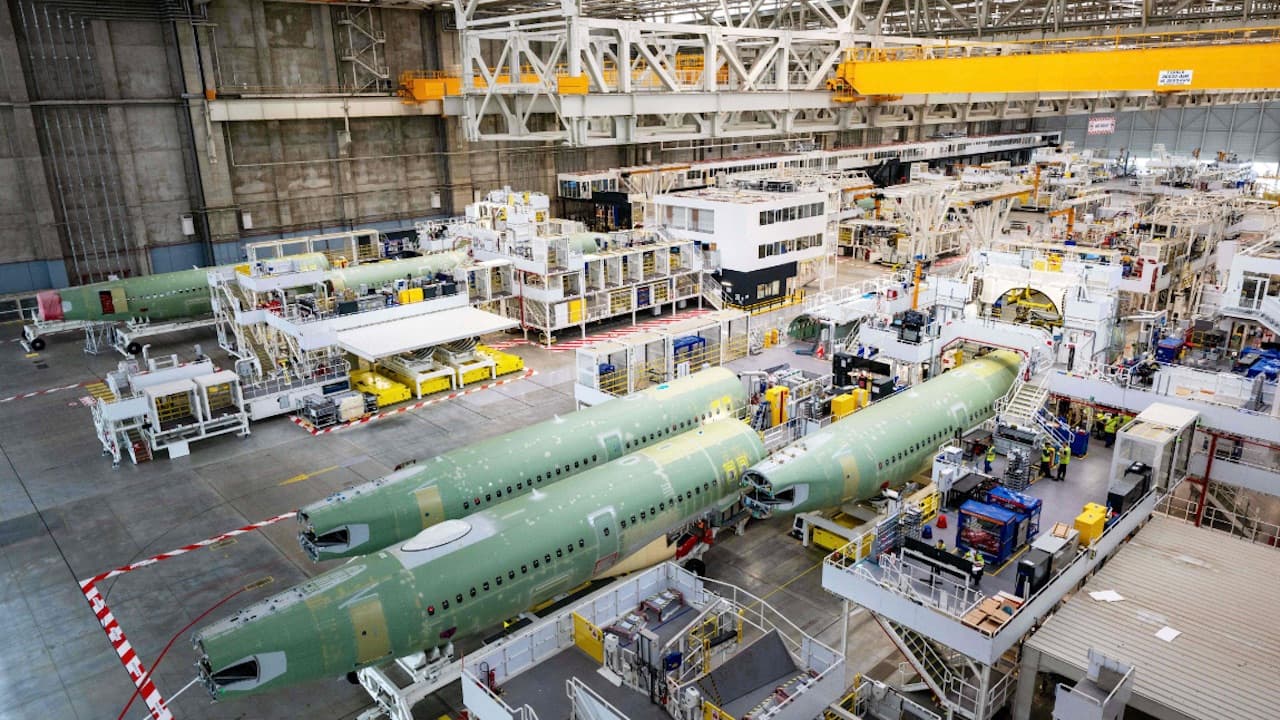
The commercial aviation industry is showing clear signs of recovery as Airbus and Boeing together delivered 649 aircraft in the first half of 2026, according to data from Cirium. This represents a 14% increase over the same period in 2025 (572 deliveries) and brings the industry within 5% of the all-time semi-annual record of 681 units set in 2018. The figures confirm that production rates are finally stabilizing after years of disruption caused by the COVID-19 pandemic, supply chain bottlenecks, and manufacturing constraints.
**Airbus leads, single-aisle dominates**
Airbus accounted for 54% of all deliveries in the first half, outpacing Boeing. The recovery is largely driven by narrowbody aircraft, particularly the Airbus A320 family and the Boeing 737 MAX. The 737-8 MAX was the most delivered aircraft with nearly 200 units, followed closely by the A321neo with 167. These programs are essential for airlines renewing their medium-haul fleets, and their strong performance underscores the sustained demand for fuel-efficient single-aisle jets.
**Widebody stability and cargo phase-out**
On the widebody front, the Boeing 787-9 led with 35 deliveries, ahead of the Airbus A350-900 at 20. Boeing's cargo variants, the 767-300F and 777-200LRF, totaled 22 deliveries, but production of these models is scheduled to end in 2027 due to new environmental regulations. This transition will require airlines and lessors to plan their cargo fleet strategies carefully in the coming years.
**Outlook for 2026**
Cirium projects around 1,510 commercial deliveries for the full year 2026, with Airbus expected to deliver 865 and Boeing 645. The 649 aircraft delivered by mid-year represent about 43% of this annual forecast. Achieving the target will depend on the ability of manufacturers and their suppliers to maintain current production rates through the second half. For the A320neo family, 269 deliveries were recorded in the first half, with CFM International engines powering 57% of those aircraft, having overtaken Pratt & Whitney in June. According to Max Kingsley-Jones of Cirium Ascend Consultancy, the goal appears achievable barring unforeseen supply chain disruptions.
**Why this matters for aviation students**
For ATPL and ATC trainees, understanding delivery trends is crucial. It provides insight into fleet composition, which directly impacts route planning, airport capacity, and air traffic management. As new aircraft enter service, ATC must adapt to evolving performance characteristics, while pilots must stay current with the latest technologies. This recovery also signals a healthy job market for aviation professionals, with airlines expanding their fleets and operations.