Airbus requests A330neo and A321neo checks over FOD and coating defects
Airbus has issued inspection notices for A330neo and A321neo aircraft following the discovery of a tool inside a horizontal stabilizer and anti-corrosion defects on fuselage stringers.
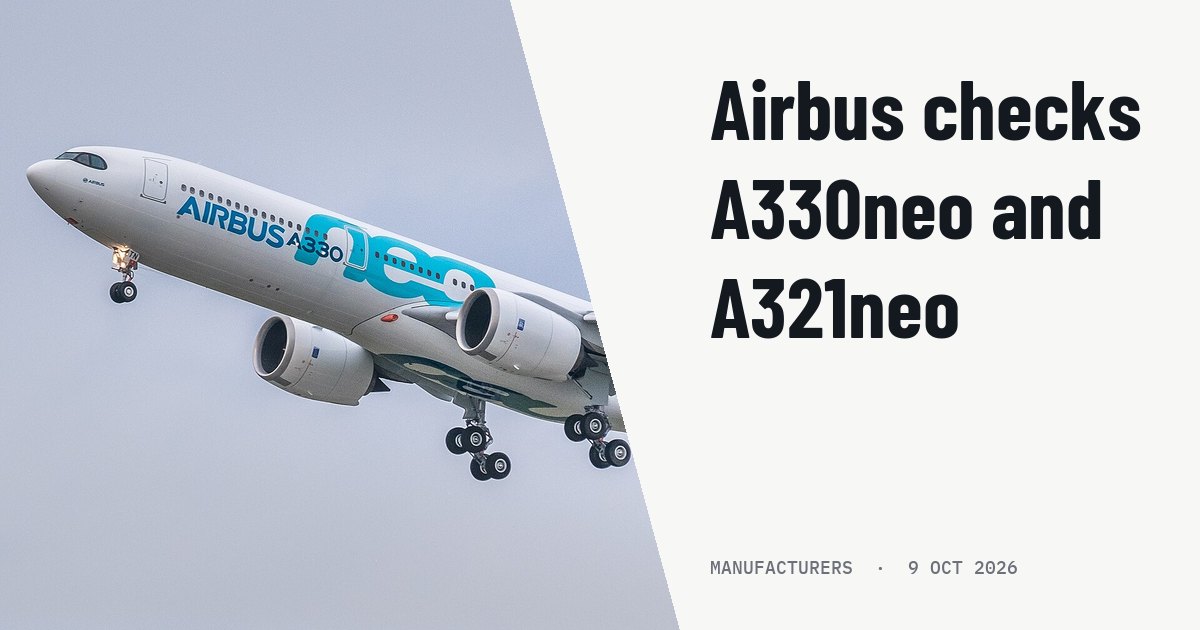
Airbus is requesting targeted inspections across selected A330neo and A321neo aircraft following quality assurance findings.
On the A330neo, technicians discovered a tool left inside the horizontal stabilizer structure of an undelivered airframe during factory inspections. Foreign object debris (FOD) inside cavities creates potential risks of jamming flight control surfaces or inflicting structural damage. Airbus inspected aircraft currently in production and asked operators flying aircraft delivered between January 2021 and July 2026 to conduct targeted checks during routine maintenance intervals. EASA considers these inspections precautionary measures, without requiring fleet groundings.
Concurrently, Airbus and Italian supplier Leonardo identified surface protection non-conformities on lower forward fuselage stringers across roughly 500 A321neo components. About half are already installed on delivered aircraft, with the remainder in active assembly. The manufacturer confirmed structural integrity and flight safety remain uncompromised. Operators have up to two years to apply corrective anti-corrosion protection during planned hangar visits. Rework at assembly sites delayed approximately 20 aircraft deliveries from the third to the fourth quarter of 2026.
These checks coincide with a demanding end-of-year output schedule. Airbus delivered 72 commercial aircraft in September 2026, reaching 547 deliveries over the first nine months. The airframer must hand over more than 320 aircraft during the fourth quarter to meet its annual delivery target of approximately 870 aircraft.
Why it matters for your training
FOD risks and corrosion protection defects impact technical logs, scheduled maintenance planning, and delivery timelines for commercial operators.
Sources
Article rewritten with the help of AI from the cited sources.