Airbus is grappling with fresh challenges on its A350 programme, announcing additional delivery delays for some customers towards the end of the decade. At the same time, the European manufacturer has quietly implemented a 10% cost-reduction plan across its commercial aircraft division and headquarters, responding to ongoing supply chain tensions and global economic uncertainties.
**Persistent problems at the Kinston plant**
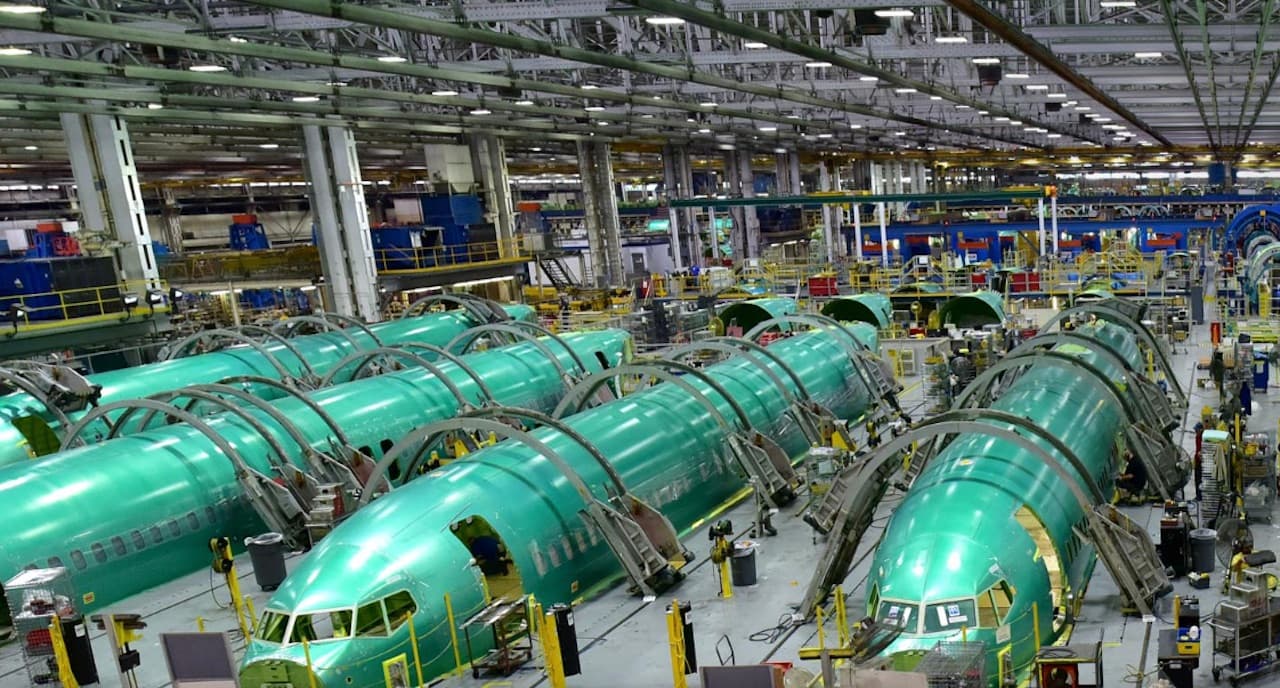
Airbus has informed several clients of further delays in A350 deliveries scheduled for the late 2020s, according to three industry sources cited by Reuters. These delays stem primarily from "persistent issues" in the supply of critical fuselage parts from the former Spirit AeroSystems plant in Kinston, North Carolina. The 46,000-square-metre facility, equipped with robots, produces composite panels for the A350's upper fuselage and a carbon-fibre spar for each wing. Airbus acquired this plant, along with the Belfast wing-manufacturing facility for the A220, in December 2025 during the dismantling of supplier Spirit AeroSystems, most of which returned to its former owner Boeing.
**A complex transition after acquisition**
"The transition has not gone smoothly," a senior aerospace source told Reuters. The handover to Airbus was reportedly hampered partly by staffing issues, with some employees choosing to join former Spirit operations now under Boeing's control. During a presentation to analysts last month, Airbus said it had found "no nasty surprises" at Kinston, though CFO Thomas Toepfer highlighted the "logistical complexity" of sending experts from Europe to support the ramp-up. The planemaker declined to comment on delivery schedules.
**A350 Freighter also affected**
Beyond the Kinston difficulties, cargo doors built by Airbus in Spain for the new A350 Freighter are also experiencing "some disruptions," the sources added. However, an Airbus spokesperson confirmed that the first flight of the A350F, planned for later this year, and its first delivery in 2027 remain "on track." Recall that the A350F programme was already officially delayed by one year in February 2025 by CEO Guillaume Faury, pushing the first delivery to the second half of 2027, a year later than the original 2021 launch date.
**A 10% cost-reduction plan**
Alongside these industrial difficulties, Airbus has implemented a new "cost control" plan over the past few weeks, asking thousands of employees to cut spending by 10%. This austerity plan focuses on overheads and support functions, sparing main assembly lines. Measures target secondary administrative services and support roles at headquarters, aiming to "streamline general expenses while keeping resources focused on production." A key element is reducing the use of external contractors, traditionally a significant part of Airbus's operating model. These external resources are now under "closer scrutiny" as the group seeks additional savings. This initiative adds to the existing "LEAD" savings programme launched two years ago, which remains active. While LEAD continues, the latest measures represent "a distinct layer of financial discipline" aimed at further tightening discretionary and support spending.
**Global uncertainties and supply chain tensions**
Airbus justified this austerity plan by citing "persistent global uncertainty" and "supply chain problems" that continue to weigh on its core airliner manufacturing business. The Toulouse-based planemaker declined to comment further. This comes as Airbus targets a roughly 10% increase in deliveries to about 870 aircraft this year.
**What this means for ATPL and ATC students**
For future pilots and air traffic controllers, this news underscores how industrial disruptions at manufacturers like Airbus can ripple through airline schedules, affecting fleet availability, route planning, and even pilot training demand. Understanding supply chain vulnerabilities is becoming essential for aviation professionals who will need to adapt to a less predictable delivery environment.