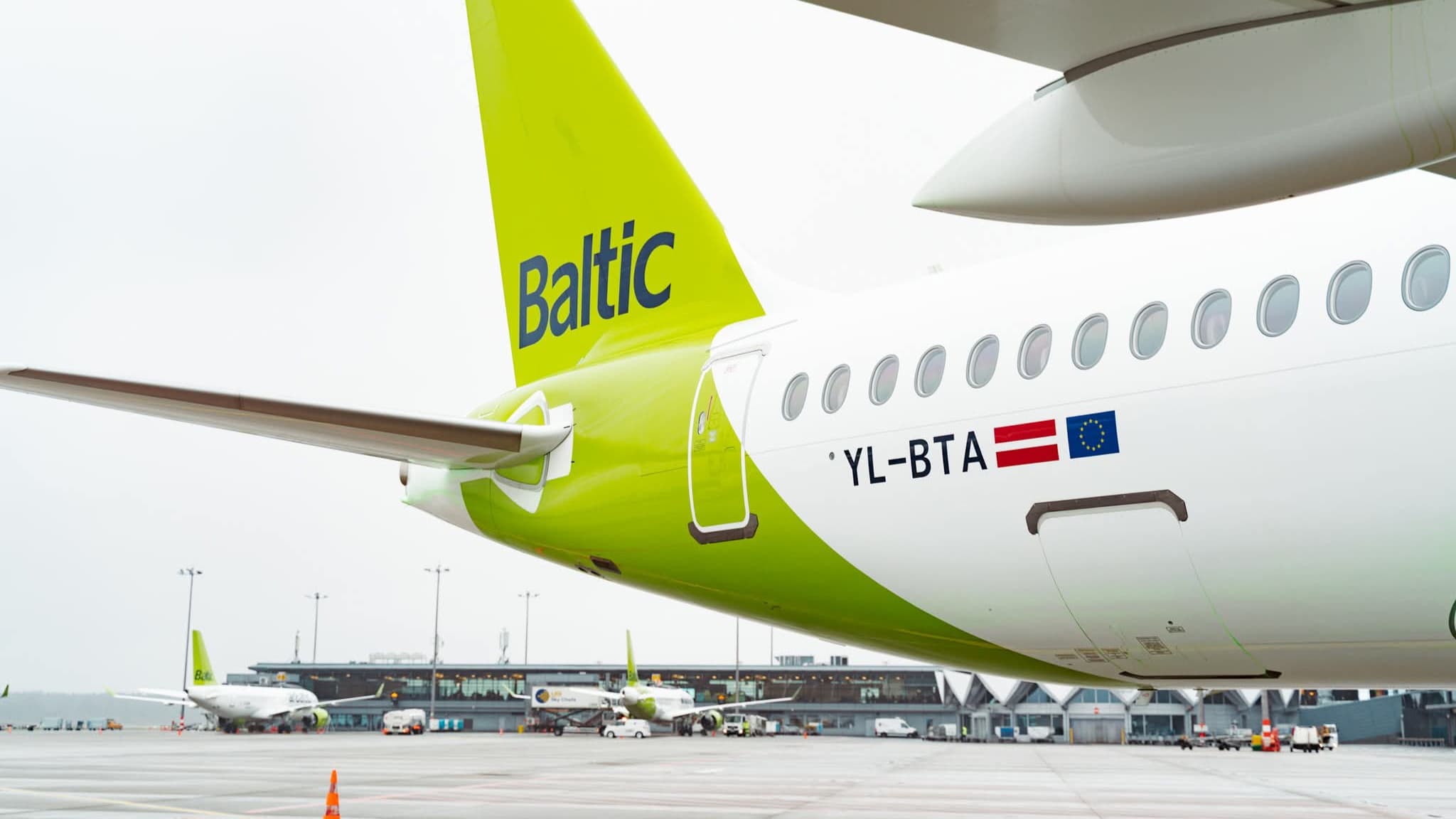
**A Turning Point for the A220 Program**
Airbus Canada and Pratt & Whitney have announced that the prolonged engine crisis affecting the A220 fleet is nearing its end. During a press briefing in Montreal-Mirabel, Guillaume Chevasson, head of the A220 program and CEO of Airbus Canada, stated that the "AOG crisis is over" and that the remaining aircraft grounded for engine reasons should be back in service by the end of 2026. This marks a significant shift after years of operational disruptions caused by the PW1500G engines, part of the Geared Turbofan (GTF) family.
**Background of the Crisis**
The A220, originally the Bombardier CSeries before Airbus acquired it in 2018, quickly gained a reputation for its fuel efficiency and passenger comfort. However, starting in 2019, incidents with SWISS and airBaltic revealed durability issues and resonance problems in the low-pressure compressor of the PW1500G. This led to enhanced inspections and operational limitations. By 2023-2024, the crisis worsened due to manufacturing defects and corrosion in sintered metal parts, requiring extensive inspection campaigns and longer-than-expected shop visits. At its peak, nearly 20% of the global A220 fleet—an estimated 70 to 100 aircraft—was grounded due to engine issues.
**Current Status and Improvements**
According to Chevasson, only 2% to 3% of A220s remain grounded for engine-related reasons, with other groundings attributed to heavy maintenance, cabin retrofits, or commercial decisions. He emphasized that technical issues affecting the fleet are now "close to zero" and that the relationship with Pratt & Whitney has reached a "very good level." The PW1500G is now delivering as expected, with reliability improving significantly after design modifications integrated into the latest engine standards. Both companies are confident that the new engine configurations, combined with increased maintenance capacity and better spare engine availability, will fully resolve the crisis by late 2026.
**Impact on Airlines and Industry**
The engine crisis had severe consequences for operators, including flight cancellations, heavy reliance on wet leases, fleet plan revisions, and even type abandonment. Air Austral decided in 2025 to switch from the A220 to the A320neo, largely due to recurring PW1500G problems. AirBaltic, the world's largest A220 operator, saw up to half its fleet grounded at the peak, forcing costly charters and network adjustments. SWISS chose to focus on the A220-300, phasing out its A220-100s. Meanwhile, the same engine family affects A320neo and E-Jet E2 aircraft, creating competition for workshop access and parts.
**Industrial Stabilization and Future Prospects**
On the industrial side, Airbus reports that the A220 supply chain is stabilizing after years of rate breaks and component delays. Chevasson praised the integration of the Belfast wing production site, acquired from Spirit AeroSystems, which provides greater stability and control. This bodes well for the potential launch of the A220-500 stretch variant, which would require a reliable engine supply. For ATPL and ATC students, this case study highlights the critical importance of engine reliability in fleet planning, operational resilience, and the cascading effects of technical issues on airline networks and training schedules.