**A New Chapter in Hydrogen Aviation**
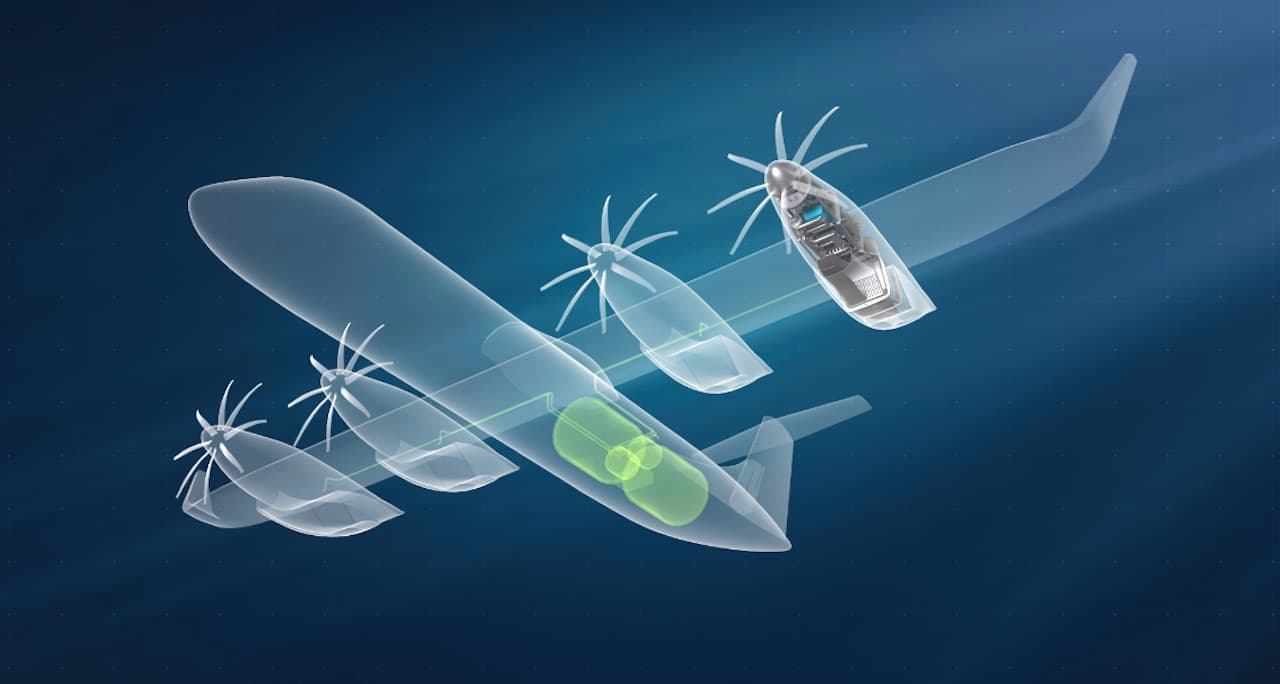
One year after signing a memorandum of understanding at the 2025 Paris Air Show, Airbus and MTU Aero Engines have taken a significant step forward by announcing the creation of a joint venture dedicated to developing and commercializing a 100% electric engine powered by a hydrogen fuel cell. This propulsion system is destined for a future aircraft of approximately 100 seats, playing a key role in Airbus's ZEROe strategy. For ATPL and ATC students, this development is not just a headline—it is a glimpse into the propulsion technologies that will define the next generation of aircraft they will operate or manage.
**Technical and Regulatory Hurdles**
The joint venture will focus on the entire lifecycle of fuel cell powertrains, from development and testing to certification and commercialization. Airbus will hold a majority stake, ensuring control over this agile structure designed to accelerate technological maturity and certification. The timeline is ambitious: operations are expected to begin in 2027, with entry into service targeted around 2035. This aligns with the ZEROe roadmap, which has shifted focus from direct hydrogen combustion to fuel cell electric propulsion for regional transport. For students, understanding the certification challenges of such novel systems—especially in terms of energy density, thermal management, and cryogenic hydrogen storage—will be crucial for future roles in flight operations or air traffic management.
**Why This Matters for Training**
This project is not just about engineering; it is about the future of aviation as a career. The hydrogen-electric engine represents a paradigm shift in aircraft design, requiring new knowledge in electrical systems, fuel cell technology, and hydrogen handling. ATPL students will need to understand the performance characteristics of these engines, such as power output, efficiency, and emergency procedures. ATC students will have to manage airspace integration of aircraft with different performance profiles and potentially new noise or emission signatures. The joint venture's goal to create a "safe, reliable, and economical" system underscores the industry's commitment to climate-neutral aviation, a topic that will increasingly appear in exams and operational procedures.
**A European Technological Lead**
Both companies emphasize the strategic sovereignty of developing these technologies in Europe. MTU's HEROPS project has already demonstrated a 600 kW fuel cell powertrain on a Dornier 228, proving the concept's viability. For students, this is a case study in how research translates into certified products—a process they will encounter in their careers. The 100-seat regional aircraft target is particularly relevant, as it represents the most likely first application of hydrogen propulsion, bridging the gap between current turboprops and future larger aircraft.
**Conclusion**
The Airbus-MTU joint venture is a concrete step toward a hydrogen-powered aviation future. For those training to become pilots or air traffic controllers, staying informed about such developments is not optional—it is essential. The skills and knowledge required to operate, maintain, or manage these new aircraft will be built on the foundations laid today. MyATPS will continue to track these advancements, providing students with the insights they need to stay ahead.