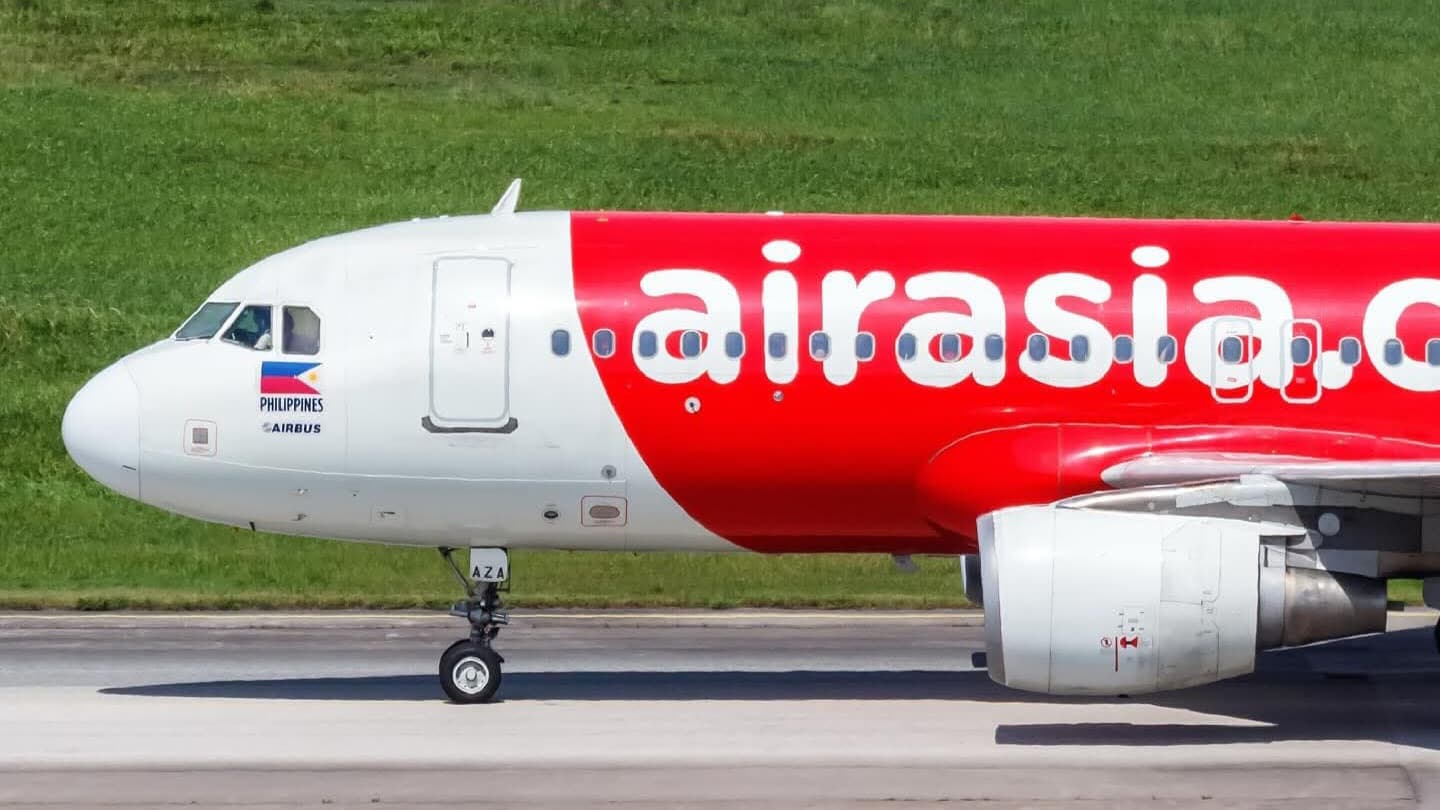
**Regulatory Showdown in the Philippines: AirAsia Philippines at Risk of Suspension**
AirAsia Philippines, a major low-cost carrier in Southeast Asia, is facing an imminent suspension of its operations after the Civil Aviation Authority of the Philippines (CAAP) issued a cease-and-desist order on June 2, 2026. The order stems from unpaid debts totaling 271.94 million Philippine pesos (approximately $4.7 million), covering air navigation charges, landing and parking fees, domestic passenger taxes, and various airport fees accumulated between 2021 and May 2026. The CAAP has given the airline three days to comply after receiving the notice, with no penalties or late interest included in the current figure.
**Why This Matters for ATPL and ATC Students**
For students pursuing an ATPL or ATC license, this case is a real-world example of how financial non-compliance can disrupt airline operations. Understanding the regulatory framework—such as the CAAP's authority to enforce payment of aeronautical fees—is crucial. Airlines must pay for air traffic services, airport infrastructure, and passenger taxes; failure to do so can lead to grounding, as seen here. This directly affects flight planning, slot allocation, and airspace management, which are core topics in ATPL and ATC training.
**The Financial Dispute: A Deeper Look**
The current debt is a reduced amount from an earlier demand of 833.7 million pesos ($14.5 million) issued in March 2026, which included penalties that could have pushed the total over 1 billion pesos ($17.4 million). The CAAP emphasized that passenger taxes collected by the airline are trust funds that must be remitted to authorities. AirAsia Philippines has made partial payments but failed to settle the remaining balance within the deadline. This highlights the importance of cash flow management and regulatory compliance for airlines—a key lesson for future aviation professionals.
**Operational and Competitive Impact**
AirAsia Philippines operates a fleet of 15 Airbus A320s, serving a dense domestic network and several international routes in Southeast Asia. A suspension would severely affect domestic connectivity, prompting authorities to consider emergency measures, such as asking competitors Cebu Pacific and Philippine Airlines to provide substitute flights. For ATC students, this scenario illustrates how sudden airline suspensions can strain air traffic management, requiring rapid reallocation of slots and coordination with other carriers.
**Conclusion**
While AirAsia Philippines has stated that operations continue normally and expects to settle the debt within the week, the case underscores the critical link between financial health and operational continuity. ATPL and ATC students should study this as a case study in regulatory enforcement, airline economics, and the real-world consequences of non-payment for aviation services.