**A landmark deal in the making**
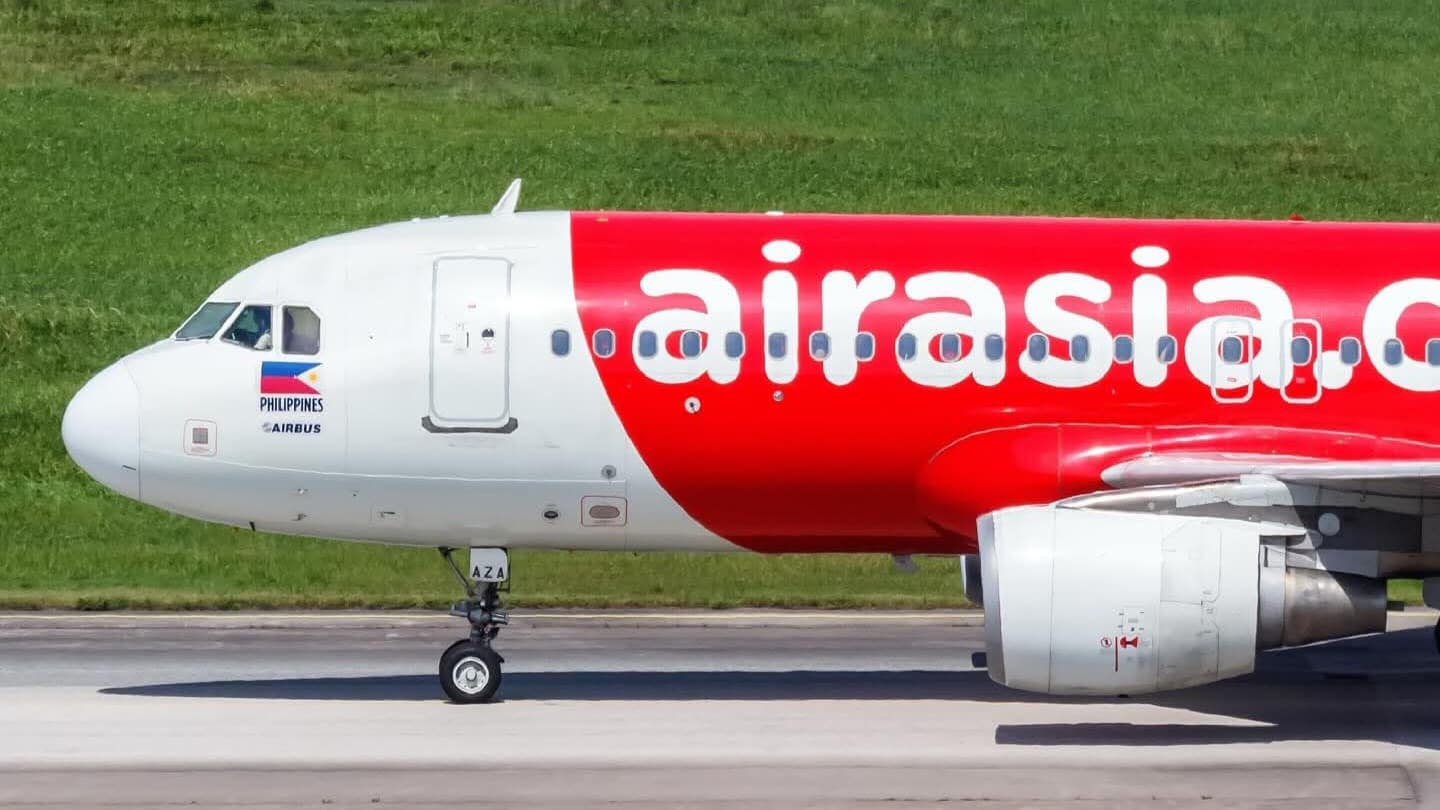
Airbus is expected to announce on May 6, 2026, at its A220 assembly site in Mirabel, Quebec, a historic order from Malaysian low-cost carrier AirAsia for approximately 150 A220 aircraft, according to multiple industry sources. While not yet officially confirmed, this mega-order would be one of the largest in the A220 program's history and would finally give the 100-150 seat twinjet a premier low-cost customer in Asia.
**Why AirAsia wants the A220**
AirAsia, already one of Airbus's largest narrowbody customers with hundreds of A320 and A321 aircraft in service or on order, is not looking to replace its existing fleet. Instead, the A220 would complement it. The airline's co-founder, Tony Fernandes, has long spoken about the need for smaller aircraft to serve thinner routes or developing markets. The A220, with its 100-150 seat capacity, is perfectly suited for routes where frequency, range, and cost per flight matter more than maximum capacity. This could allow AirAsia to open new secondary city pairs in Southeast Asia, test emerging markets, or increase frequencies on routes that don't yet fill an A320 or A321.
**A boost for the A220 program**
Since Airbus took over the CSeries program in 2018 and rebranded it as the A220, the European manufacturer has worked to ramp up production and reduce costs. Despite strong operator feedback on fuel efficiency, cabin comfort, and performance on challenging runways, the order book has not always met expectations, especially against competition from Embraer's E2 family. An AirAsia order would be a direct response to Embraer's recent commercial successes in the lower end of the narrowbody segment, particularly in the fast-growing Asia-Pacific region.
**Impact on aviation training**
For ATPL and ATC students, this development highlights the evolving fleet strategies of major airlines. Understanding the operational differences between the A220 and the A320 family—such as range, capacity, and performance characteristics—is crucial for future pilots and controllers. The A220's ability to open new point-to-point routes also underscores the importance of route planning and airspace management in a dynamic aviation environment.