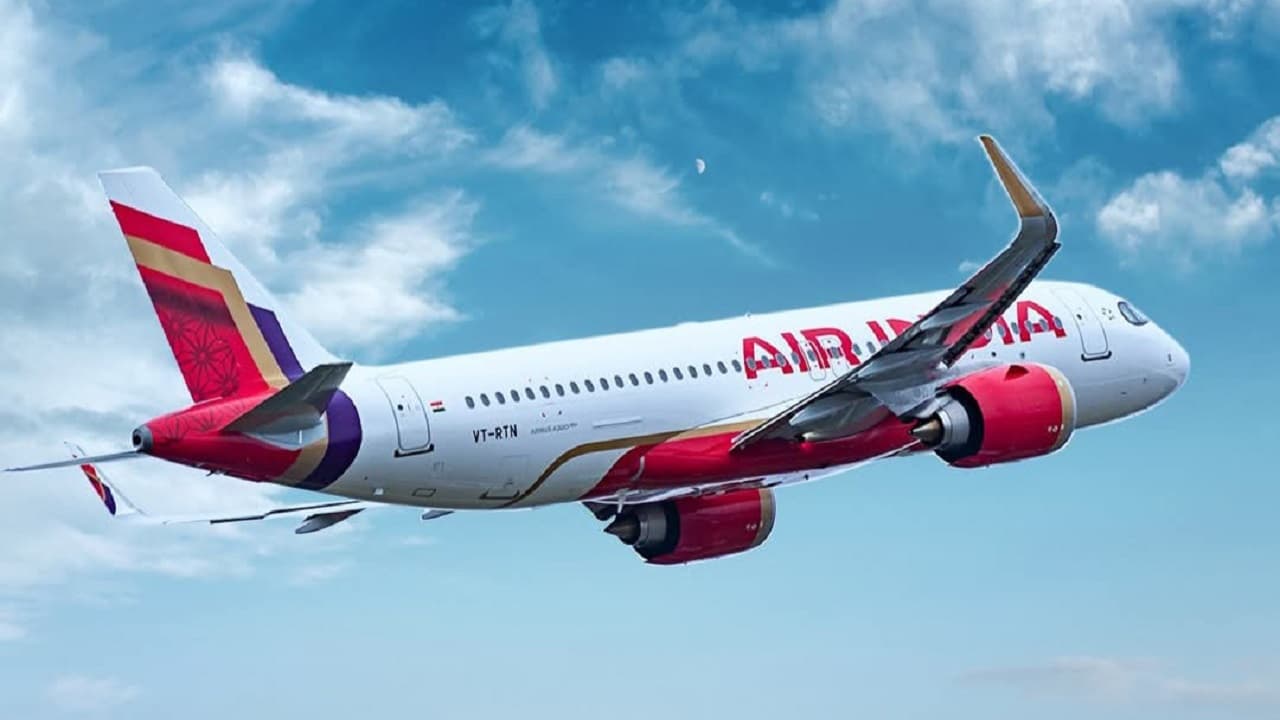
Air India, the flag carrier of India now under the Tata Group, has launched a new Basic fare on a selection of domestic routes. This fare removes complimentary meals from Economy class, offering passengers a lower ticket price in exchange. The move is a direct response to the competitive pressure exerted by IndiGo, which dominates the Indian domestic market with its low-cost model.
The Basic fare retains key elements such as 15 kg of checked baggage and 7 kg of cabin baggage, but eliminates the free meal service. Passengers can still purchase meals up to 24 hours before departure, with options including vegetarian, non-vegetarian, Jain, and diabetic-friendly menus. Air India states that this fare is designed for price-sensitive travelers who prioritize cost over additional services.
Priced approximately 500 to 600 rupees (€4.60 to €5.50) cheaper per leg than a standard Economy fare with a meal, the Basic fare is initially available on short-haul routes like Delhi–Chandigarh, Delhi–Amritsar, and Bengaluru–Hyderabad. The airline plans to evaluate customer response during this pilot phase before potentially expanding it across its domestic network.
This new fare complements Air India's existing domestic fare families: Value, Classic, and Flex, all of which include meals and varying levels of additional services. By offering a no-frills option, Air India aims to give customers more control over what they pay for, aligning with a global trend in aviation where airlines unbundle services to offer lower base fares.
For ATPL and ATC students, this development illustrates how market dynamics shape airline pricing strategies. Understanding fare structures and their impact on operations—such as catering logistics, passenger expectations, and revenue management—is crucial. It also highlights the competitive landscape in emerging markets like India, where full-service carriers adapt to low-cost pressures, influencing route planning and service delivery.
The Basic fare is currently bookable only through Air India's direct channels (website, app, call center, and airport counters), allowing the airline to test and refine the product before wider distribution. This strategic approach underscores the importance of flexibility in commercial aviation, a key concept for future aviation professionals.