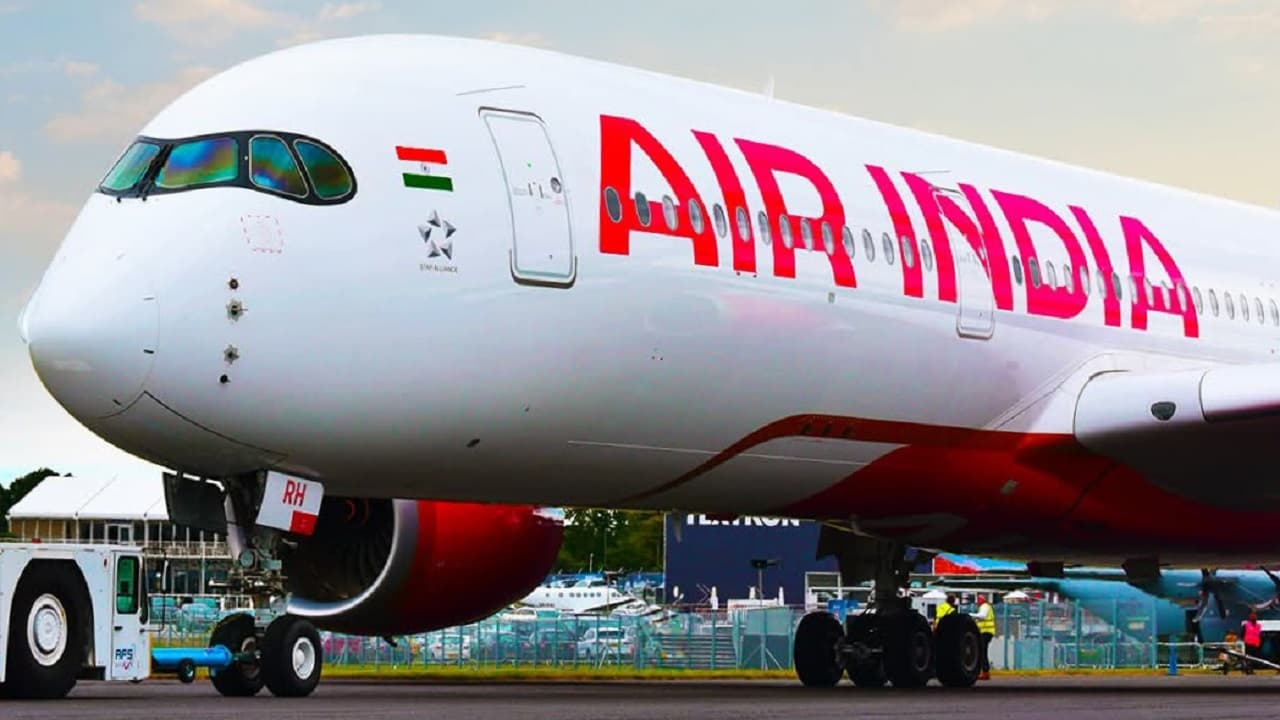
**Air India Cuts Long-Haul Program by Up to 12% Through July 2026 Amid Fuel Crisis and Middle East Detours**
Air India has announced a significant reduction of its long-haul flight program, cutting up to 12% of international services through the end of July 2026. The decision, driven by a dramatic spike in aviation turbine fuel (ATF) prices and the closure of airspace over Iran and Iraq, underscores the fragility of airline economics in a volatile geopolitical environment. For ATPL and ATC students, this is a textbook case of how external factors—beyond aircraft performance or crew scheduling—can force major operational adjustments.
**The Fuel and Route Crisis**
The price of ATF surged to around $179 per barrel by late April 2026, an 80% increase from late February, according to Indian economic media. Simultaneously, the conflict involving Iran has closed key airspace corridors, forcing Air India to reroute flights around Iran and Iraq. These detours add up to two hours on routes between Europe and Asia, burning more fuel, extending crew duty times, and increasing overall costs. For routes already operating on thin margins—such as Delhi-London, Bengaluru-London, and Delhi-Toronto—the combination of expensive fuel and longer routes has pushed profitability into the red. The closure of the Pakistani corridor, historically the shortest path between northern India and Europe, further compounds the problem.
**Operational Impact and Student Takeaways**
Air India operates about 1,100 flights daily, and the cuts will temporarily remove nearly 100 flights per day, with the heaviest impact on long-haul routes to Europe, North America, Australia, and Singapore. CEO Campbell Wilson noted in an internal memo that the carrier had already reduced frequencies in April and May, but deeper cuts are now necessary in June and July. For ATPL students, this illustrates the critical importance of fuel planning, route optimization, and cost management in airline operations. ATC students can observe how airspace restrictions—whether due to conflict or political tensions—create cascading effects on traffic flow, requiring real-time coordination and rerouting. The situation also highlights the role of contingency planning in flight dispatch and the financial implications of extended flight times.
**Broader Context and Future Outlook**
Air India, under the Tata Group, has been undergoing a massive fleet modernization and service upgrade, but the carrier reported losses exceeding $2.4 billion for the fiscal year ending March 31, 2026. The current cuts are a defensive measure to limit exposure on the most unprofitable routes. Wilson expressed hope that the situation in the Middle East would stabilize and that the Strait of Hormuz would reopen, allowing a return to normal operations. For students, this case study demonstrates how airlines must balance connectivity with financial discipline, and how geopolitical events can disrupt even the best-laid plans. Understanding these dynamics is essential for future pilots and controllers who will navigate such challenges in their careers.