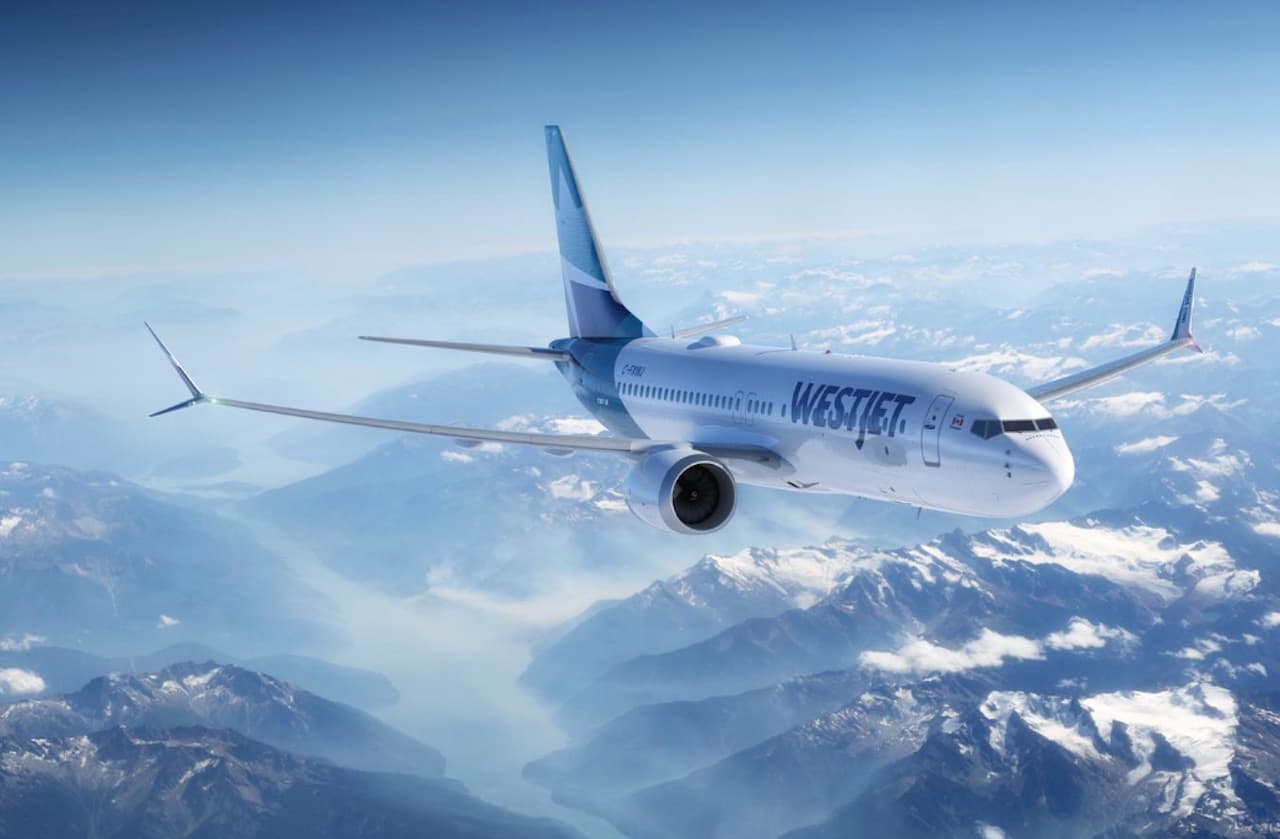
Air India has announced a strategic interline agreement with WestJet, Canada's leading leisure carrier, significantly expanding connectivity between India and North America beyond the traditional hubs of Toronto and Vancouver. This partnership, unveiled on April 17, 2026, from Gurugram, allows Air India passengers to book single-ticket itineraries combining long-haul flights with WestJet-operated segments to 17 Canadian and 14 U.S. cities. Key Canadian destinations now accessible include Calgary, Edmonton, Montreal, Winnipeg, and Halifax, while U.S. options span from San Francisco and Los Angeles to Atlanta, Orlando, and Las Vegas. The agreement streamlines travel by enabling through-checked baggage to final destinations, eliminating the need for re-checking during transits in Canada, and is available for booking via Air India's digital platforms and travel agencies.
From an industry perspective, this move underscores the growing importance of interline partnerships in enhancing global network reach without the capital-intensive costs of new routes or fleet expansions. For airlines, such agreements leverage existing infrastructures to tap into emerging travel corridors, particularly between high-growth markets like India and North America. Air India's Chief Commercial Officer, Nipun Aggarwal, highlights Canada as a 'key market' driven by strong human and commercial ties, with the airline currently operating 17 weekly non-stop flights to Canada. This partnership aligns with Air India's post-acquisition strategy under Tata Group to upgrade services and expand its long-haul network, while WestJet aims to capture a larger share of India-Canada traffic by integrating its North American footprint.
For ATPL and ATC students, this development offers valuable insights into airline alliance dynamics and operational logistics. Understanding interline agreements is crucial for future pilots and controllers, as these partnerships influence flight scheduling, baggage handling protocols, and passenger flow management at airports. Students should note how such deals can alleviate congestion at major hubs by distributing traffic across multiple gateways, such as Halifax or Calgary via European stops like Amsterdam-Schiphol or Paris-CDG, where Air India operates 75 weekly flights. This knowledge aids in grasping real-world applications of network planning and international aviation regulations, essential for careers in airline operations or air traffic management.
In practice, the agreement enhances passenger experience through simplified booking and baggage processes, reflecting broader industry trends toward seamless travel. For aviation professionals, it exemplifies how strategic collaborations can drive growth in competitive markets, such as the India-Canada route amid diplomatic tensions. ATPL students, in particular, can study this case to understand how airlines optimize route economics and customer service, while ATC trainees might analyze its impact on air traffic patterns and airport resource allocation. As global travel demand rebounds, such partnerships will likely proliferate, making familiarity with their mechanics a key competency in aviation training.