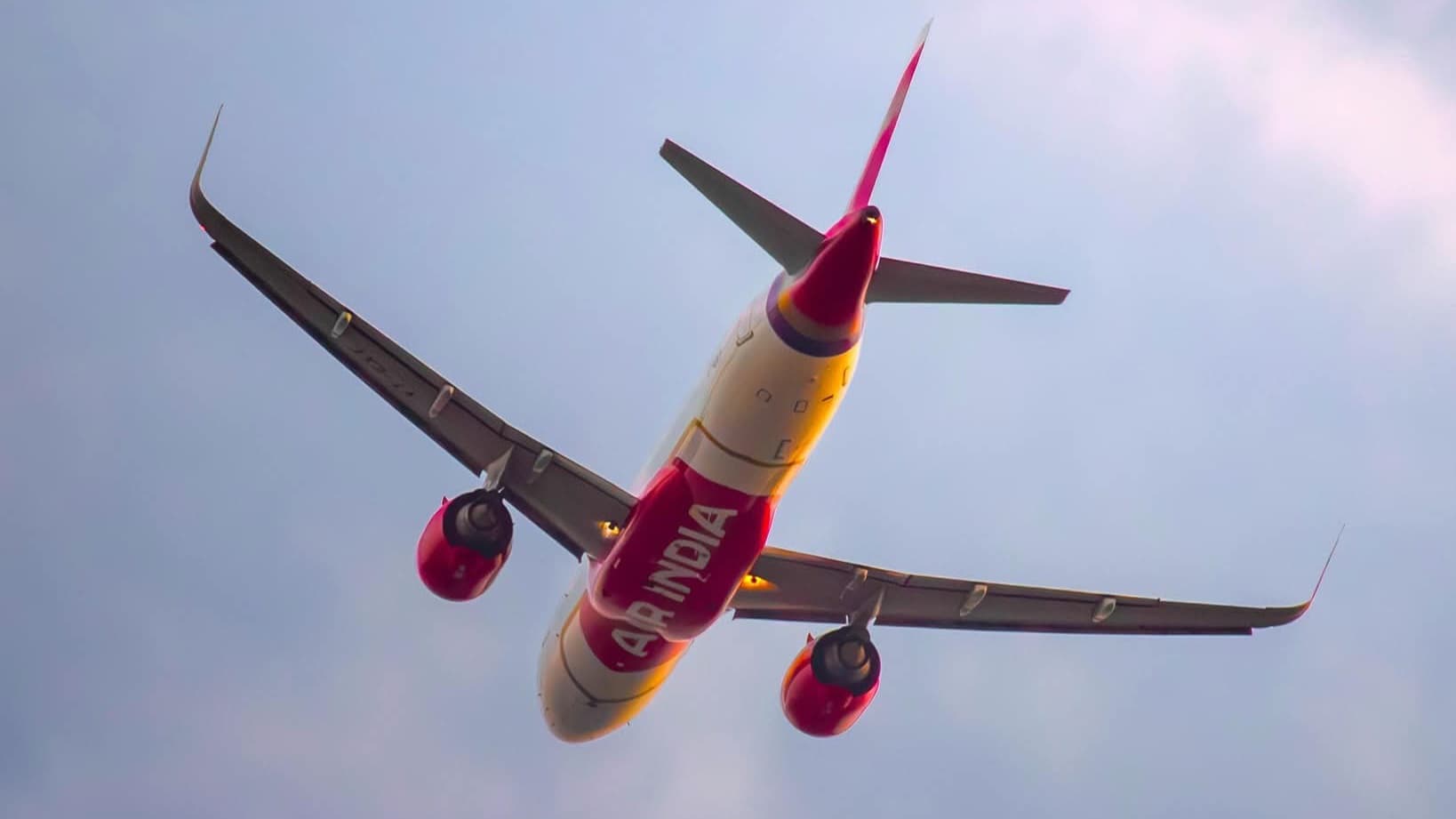
**A serious incident in cruise**
On August 4, an Air India A320neo (VT-EXO) flying from Phuket to New Delhi experienced a sudden altitude loss of about 300 feet (91 meters) during cruise. The aircraft stabilized and landed safely at Indira Gandhi International Airport, but 17 people were injured: 13 passengers and 4 cabin crew. Eight passengers and four crew were hospitalized, described as stable. The event has been classified as a "serious incident" by Indian authorities, triggering a full investigation.
**The triple hydraulic failure theory**
A union representative, Captain Sam Thomas of the Airline Pilots' Association of India, claimed the aircraft suffered a failure of all three hydraulic systems (green, blue, yellow) near Jharsuguda airspace. He suggested the crew initiated a nose-down input to stabilize, causing negative G-forces that threw people and objects around the cabin. This theory is alarming because the A320 has triple redundant hydraulics; a simultaneous loss is extremely rare. However, this claim comes from a pilots' association, not the official investigation. The DGCA initially mentioned a "presumed transient technical failure." The FDR and CVR have been secured, and the aircraft is grounded for inspection. Only data analysis will confirm or refute the triple failure.
**Pilot drug test and procedural implications**
The Indian Ministry of Civil Aviation confirmed both pilots underwent post-incident psychoactive substance testing. The captain's initial test required a confirmatory lab analysis, but the ministry stressed this does not imply substance use or a link to the incident. Both pilots have been removed from flying duties pending the investigation. This highlights the strict post-incident testing protocols in aviation, which are part of international standards.
**Why this matters for ATPL students**
This incident is a textbook case for understanding aircraft systems, emergency procedures, and accident investigation. For ATPL students, it underscores the importance of knowing hydraulic system redundancy, the role of FDR/CVR in investigations, and the legal and procedural aspects of post-incident testing. It also illustrates how preliminary information can be incomplete and why we must rely on official findings rather than speculation.