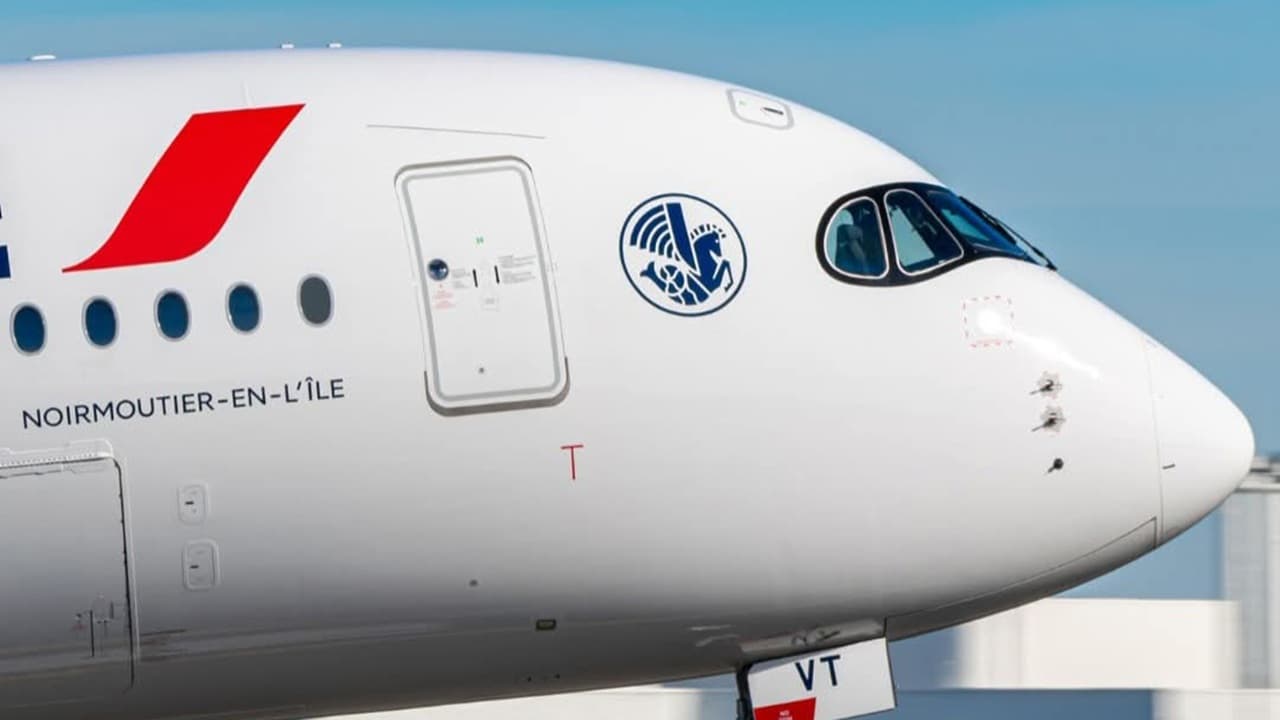
**Air France Suspends Flights to Riyadh, Dubai, and Beirut: What ATPL and ATC Students Need to Know**
Air France has once again adjusted its Middle East schedule, extending the suspension of flights to and from Riyadh, Dubai, and Beirut until early August 2025. The airline cites a highly volatile security situation and states it is monitoring the region in real time. This decision is not isolated: KLM, British Airways, Singapore Airlines, and Aegean Airlines have all revised their Middle Eastern routes in recent weeks, reflecting a broader industry trend of cautious operations over conflict zones.
**Why This Matters for ATPL and ATC Students**
For ATPL students, this case illustrates the real-world application of flight planning under uncertainty. When airspace is restricted or deemed unsafe, dispatchers and pilots must reroute flights, often increasing fuel burn, flight time, and operational complexity. Understanding how to interpret EASA Conflict Zone Information Bulletins (CZIBs) and NOTAMs is essential for the Operations and Flight Planning exams. For ATC students, this scenario highlights the importance of coordinating reroutes, managing airspace capacity, and communicating restrictions to pilots—skills tested in the ATC licensing process.
**The Role of EASA and Airspace Restrictions**
The EASA CZIB-2026-07, issued on July 14, recommends that operators avoid the airspace of Bahrain, Kuwait, Qatar, and the UAE, as well as the Gulf of Oman west of 58°E. While this is not a mandatory closure, it strongly influences airline decisions. Airlines must balance commercial pressure with safety obligations, a trade-off that ATPL students will encounter in their Human Performance and Limitations studies. The bulletin remains valid until July 29, but extensions are common, as seen with Air France's prolonged suspensions.
**Operational Impact and Passenger Handling**
Air France is offering free rebooking or cancellation for affected passengers, even on flights that are not cancelled. This demonstrates the importance of contingency planning and customer service in airline operations—topics covered in the ATPL syllabus under Commercial and Operational Procedures. For ATC, managing the ripple effects of such suspensions on hub traffic and slot coordination is a practical challenge.
**Conclusion**
This event is a textbook example of how geopolitical tensions directly affect aviation operations. ATPL and ATC students should study it to understand the interplay between safety regulations, flight planning, and real-time decision-making. The ability to adapt to changing airspace restrictions is a core competency for any aviation professional.