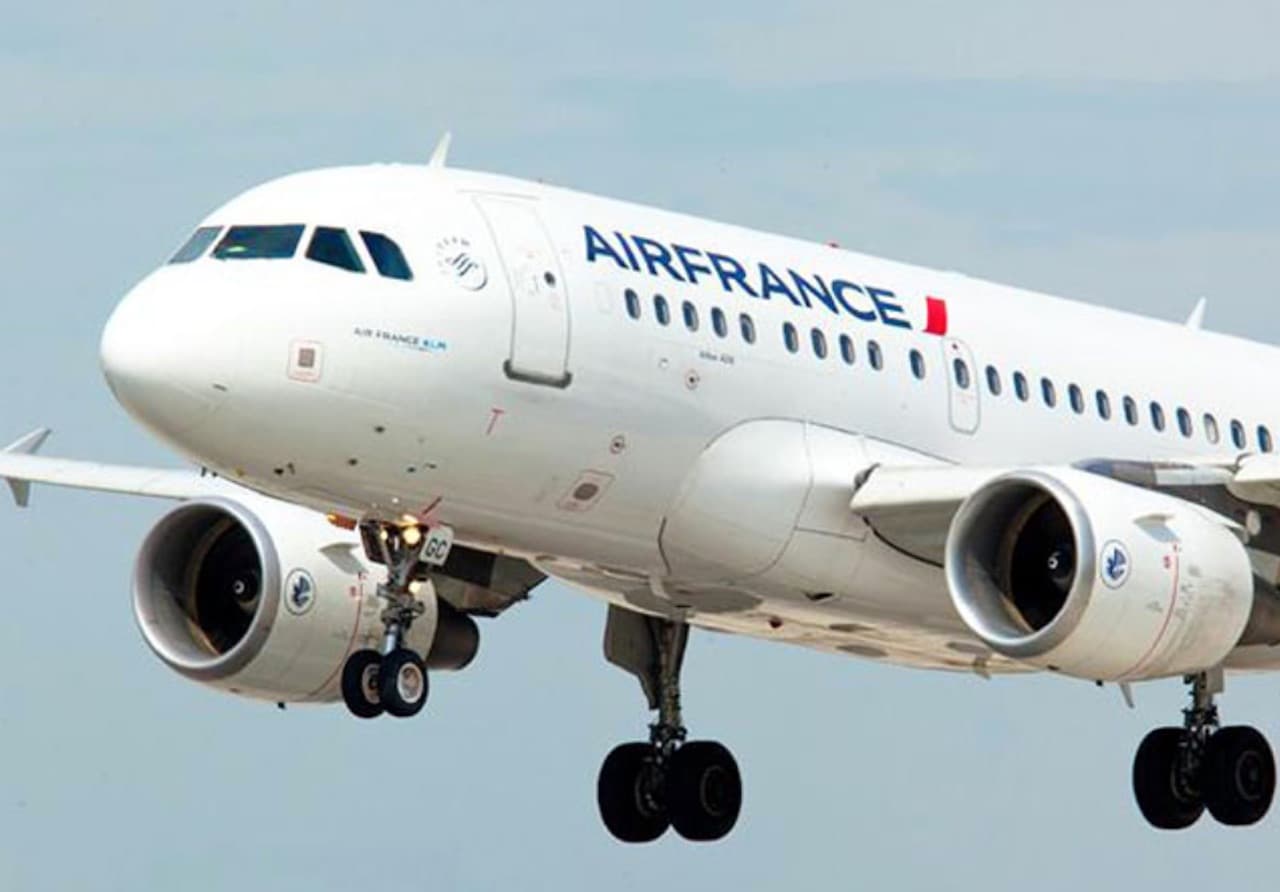
Air France has quietly implemented a "made in France" overhaul of its premium cabin beverage service, replacing international soft drink brands like Schweppes, Sprite, and Fuze Tea with a selection of French alternatives. The change, effective from June 3, 2026, applies to Business and La Première cabins on medium and long-haul flights departing from Paris, as well as the airline's airport lounges. Coca-Cola remains the sole exception, kept due to high demand from international passengers.
This strategic shift is part of a broader effort to showcase French gastronomic expertise onboard. The new menu features organic fruit juices from Maison Patrick Font, artisanal lemonades from producers like Vitamont, and premium French tonics, along with ginger ale. The airline explicitly states that the goal is to "privilege 100% French brands to highlight national know-how." This move not only supports local producers but also reinforces Air France's brand identity as a carrier of French luxury and culture.
For ATPL and ATC students, this development offers a practical case study in airline branding and service differentiation. Understanding how carriers like Air France use onboard catering to position themselves in a competitive market is crucial for future pilots and controllers who will interact with airline operations and passenger expectations. The decision to retain Coca-Cola highlights the tension between marketing coherence and commercial realities—a lesson in balancing brand image with customer demand.
The beverage overhaul coincides with the introduction of new summer 2026 cocktails by mixologist Matthias Giroud, including "Quintessence" in Business and "L'Instant Cassis" in Premium and Economy. These cocktails, made with French ingredients, further cement Air France's commitment to a French culinary identity. For aviation professionals, this illustrates how non-flight factors—like catering—can influence passenger satisfaction and airline reputation, which in turn affects operational decisions and crew training.
In lounges, the same French-focused beverage policy applies, making them a key differentiator among major airlines. This trend toward premium, locally sourced offerings is not unique to Air France; many carriers are revamping their catering to attract high-yield passengers. For students, recognizing these industry shifts helps in understanding the broader business environment of aviation, where service quality is a competitive weapon.