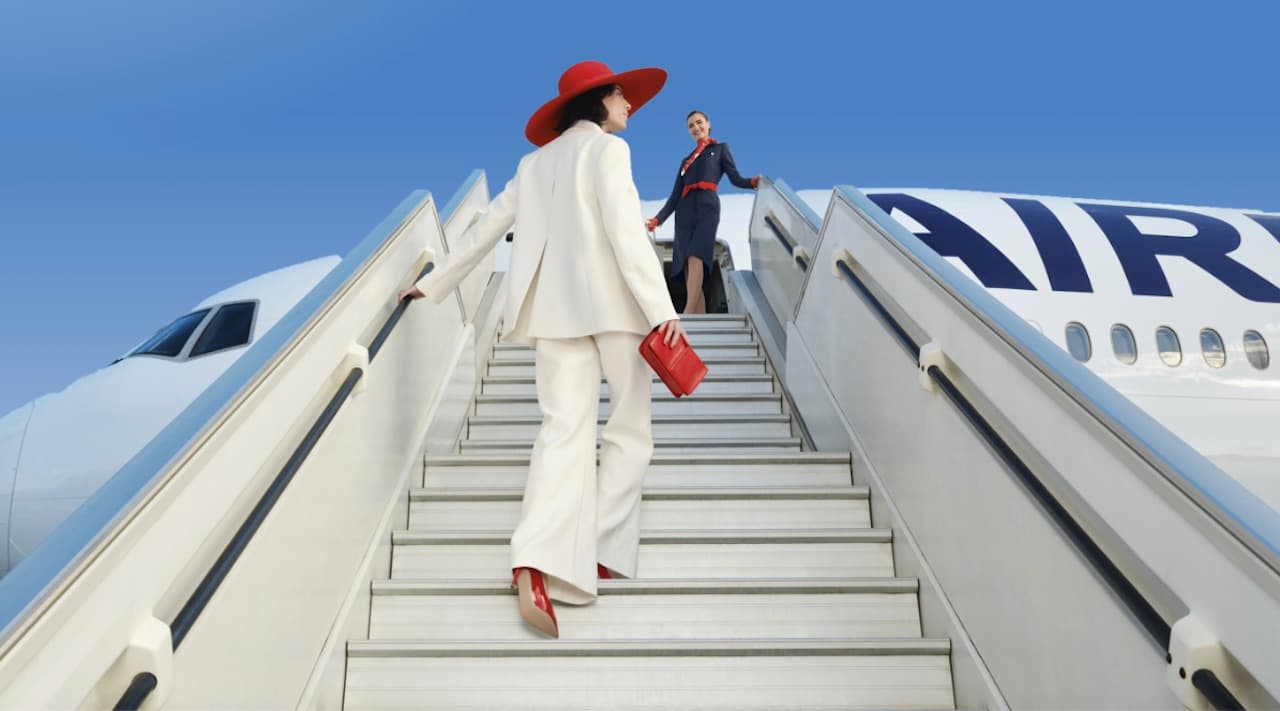
Air France is expanding its premium long-haul strategy with the introduction of its new La Première cabin on the Paris–Abidjan route, starting June 22, 2026. This move makes Abidjan the first sub-Saharan African destination to receive the airline's top-tier first-class product, operated daily aboard a Boeing 777-300ER configured with only four suites. The aircraft will also feature upgraded Business, Premium Economy, and Economy cabins, reflecting a broader fleet-wide modernization effort.
For ATPL and ATC students, this development offers a practical case study in airline network planning and premium product deployment. The decision to launch La Première on a West African route—rather than a traditional premium market like London or Dubai—highlights how airlines assess demand based on business, diplomatic, and high-net-worth traveler flows. Understanding these market dynamics is crucial for future aviation professionals who will manage route profitability, fleet allocation, and customer experience strategies.
From an operational perspective, the Boeing 777-300ER is a workhorse of long-haul aviation, and its retrofit program—19 aircraft receiving the new La Première suites—demonstrates the lifecycle management of widebody fleets. ATC students can note that the flight schedule (AF702 departing CDG at 13:55, arriving at 18:35; AF703 departing at 21:10, arriving at 05:45) involves typical slot coordination and turnaround planning for a high-frequency African route. The two daily flights during summer peak season also illustrate seasonal capacity adjustments.
The cabin itself is a marvel of engineering: each suite spans five windows, with a modular seat that converts into a two-meter bed, a separate chaise lounge, dual 32-inch 4K screens, Bluetooth headset pairing, and wireless charging. Such features are not just luxury—they represent the cutting edge of aircraft interior design, which ATPL students may encounter when studying cabin systems, weight and balance, or passenger service regulations. The emphasis on privacy (floor-to-ceiling mesh curtains) and connectivity (USB-A, USB-C, induction charging) reflects evolving passenger expectations that airlines must meet to remain competitive.
Finally, the partnership with Michelin-starred chef Mory Sacko for the Abidjan route's menu underscores how airlines differentiate through cultural relevance. For ATC trainees, this is a reminder that aviation is a service industry where customer experience extends beyond the cockpit. The exhibition at the Sofitel Abidjan Hôtel Ivoire, featuring historical uniforms from Dior and Balenciaga, also shows how airlines use brand heritage to strengthen market presence—a lesson in aviation marketing and public relations.
In summary, Air France's La Première expansion to Abidjan is more than a luxury upgrade; it is a strategic move that offers rich learning opportunities for ATPL and ATC students in network planning, fleet management, cabin technology, and customer experience design.