**Industry Context: Fuel Supply and Operational Resilience**
As the summer 2026 season approaches, Air France-KLM has moved to reassure passengers and the market about its ability to maintain its planned flight schedule despite growing concerns over fuel availability at certain airports. The group, which includes Air France, KLM, and Transavia, operates nearly 2,200 flights daily to over 320 destinations worldwide. The fuel supply issue has been exacerbated by rising energy prices and geopolitical tensions, particularly in the Middle East, leading to sporadic shortages at some hubs. For aviation professionals, this situation highlights the critical importance of fuel management and contingency planning in airline operations.
**MyATPS Angle: What This Means for ATPL and ATC Students**
For students training to become airline pilots or air traffic controllers, this news underscores the real-world challenges of operational planning. ATPL candidates must understand how fuel availability affects flight planning, payload calculations, and diversion procedures. ATC trainees should note how fuel-related disruptions can impact slot coordination and airspace management. The group's decision to offer free ticket changes also reflects a broader trend in airline commercial strategy, where flexibility is used as a tool to manage demand uncertainty—a concept relevant to aviation management studies.
**The Free-Change Campaign: A Strategic Move**
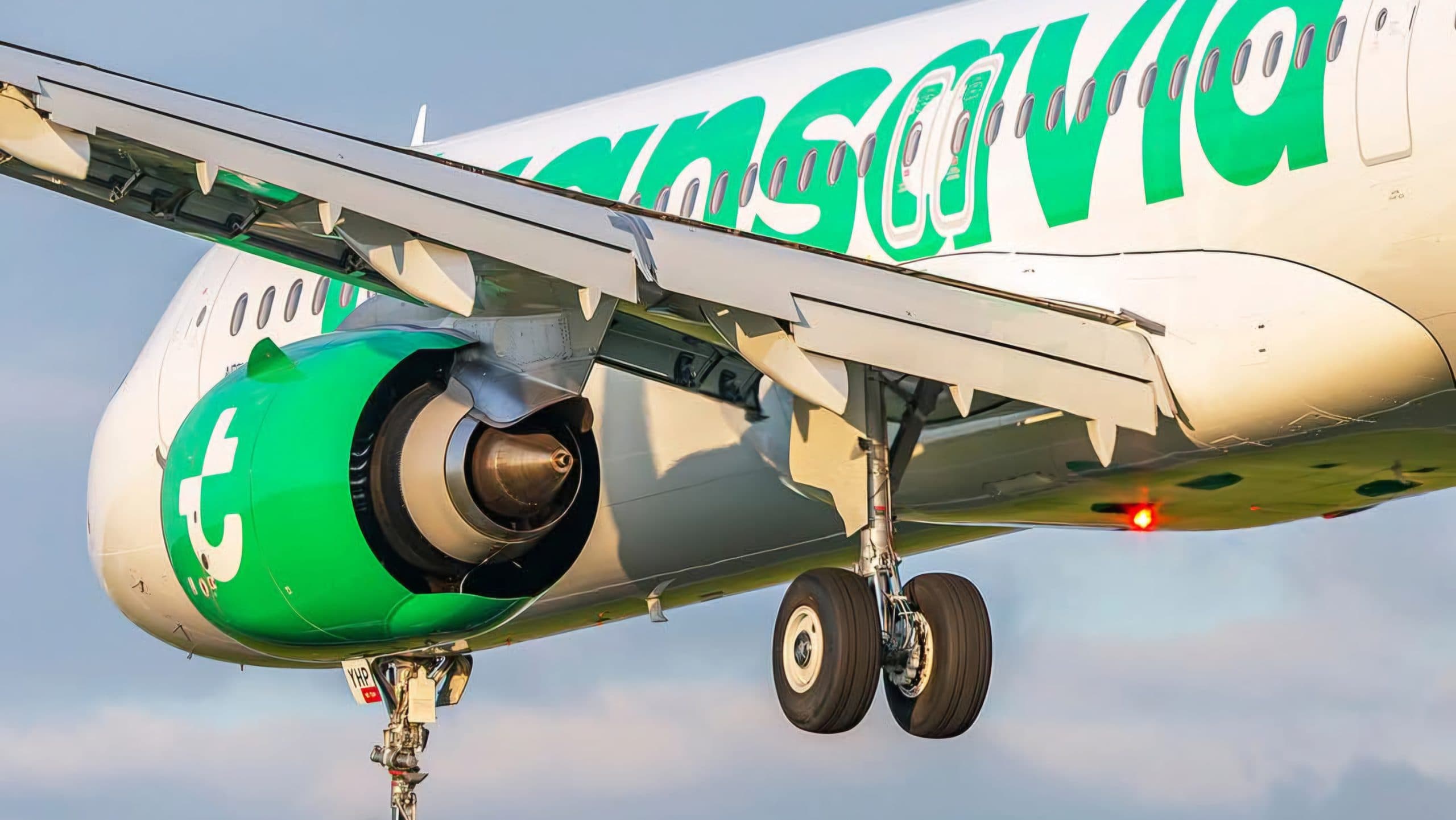
Starting June 3, 2026, Air France and KLM will offer free changes on all long-haul tickets purchased from France until June 17, regardless of fare class or cabin (Economy, Premium, or Business). Transavia France will offer its Flex option free of charge from June 3 to 9, allowing changes up to two hours before departure. This initiative is designed to stimulate last-minute bookings and alleviate traveler hesitation. From an operational perspective, such flexibility requires robust IT systems and coordination between sales, operations, and customer service teams—a lesson in airline resource management.
**Operational Adjustments and Network Growth**
Despite the positive tone, Air France-KLM has made some adjustments. The group recently lowered its 2026 forecasts due to the Middle East conflict, suspending flights to destinations like Dubai, Tel Aviv, Riyadh, and Dammam. Transavia also reduced a small fraction (less than 2%) of its May-June flights due to fuel costs. Meanwhile, Air France plans a 2% increase in long-haul capacity, driven by North American routes, and Transavia is expanding its network with new destinations like Wroclaw and Alghero. These dynamics illustrate the delicate balance between growth ambitions and external constraints—a key theme in aviation economics.
**Conclusion: A Case Study in Crisis Communication**
Air France-KLM's approach combines operational reassurance with commercial flexibility, offering a textbook example of crisis communication in aviation. For ATPL and ATC students, this case highlights the interdependence of fuel logistics, route planning, and customer relations. Understanding such scenarios prepares future aviation professionals for the complexities of real-world airline management.