**A New Identity for a Growing Empire**
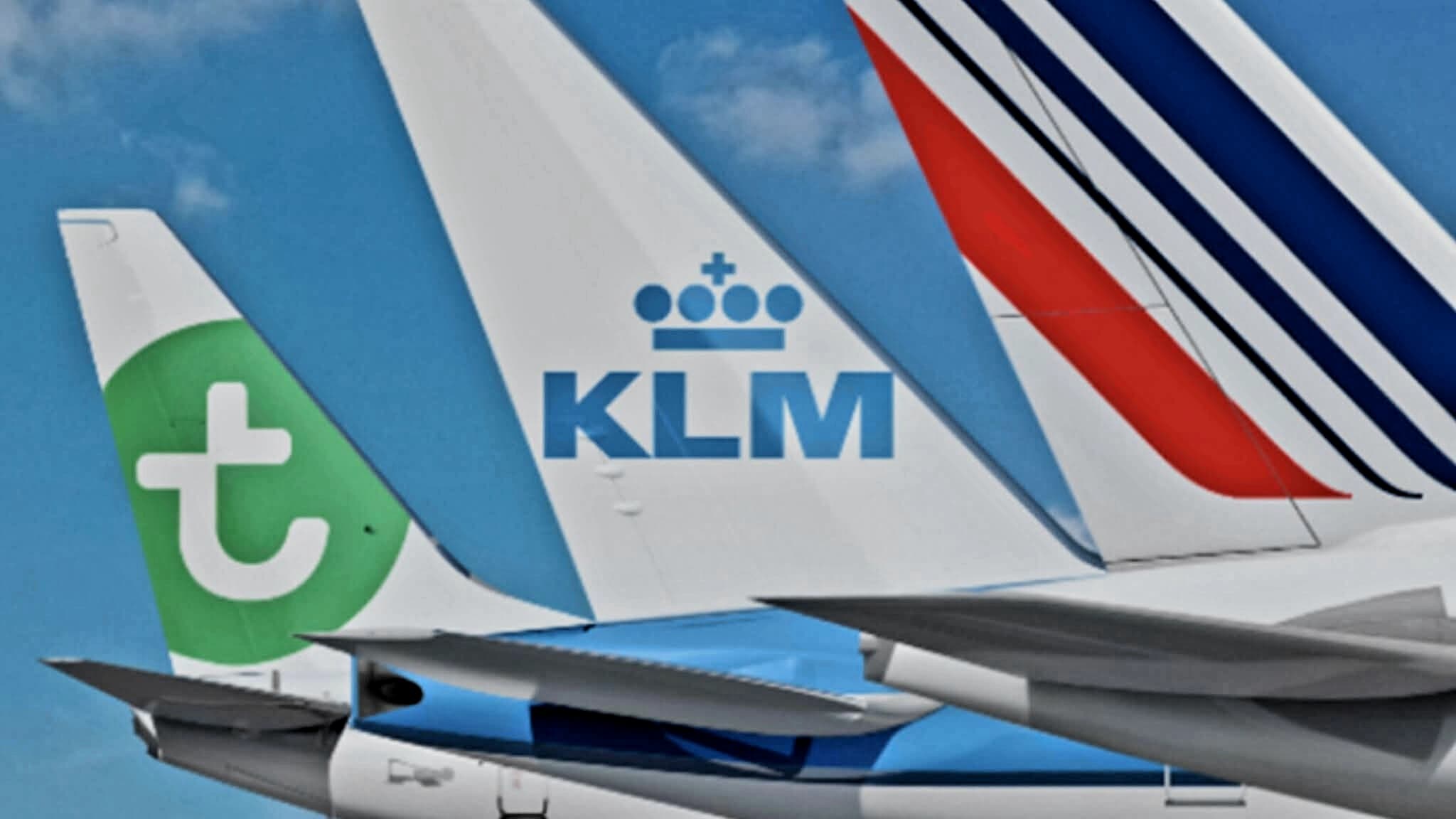
According to multiple European media reports, Air France-KLM CEO Ben Smith has internally approved a plan to rename the parent company, dropping any reference to Air France or KLM. The working name "The Blue Group" is already circulating internally, mirroring the structure of IAG, the holding company for British Airways, Iberia, and Vueling. While the group officially states that "no decision has been made," the move comes as it integrates SAS and pursues the privatization of TAP Air Portugal, reshaping the Franco-Dutch entity into a truly pan-European airline group.
**Why This Matters for ATPL and ATC Students**
For students training to become airline pilots or air traffic controllers, understanding corporate restructuring is not just business trivia—it directly affects operational reality. When a holding company like Air France-KLM acquires new airlines (SAS, TAP), it often leads to fleet harmonization, shared maintenance contracts, and unified training standards. Pilots may find themselves flying aircraft types common across the group, while controllers may see changes in slot allocations and route networks as the group optimizes its combined operations. The shift to a neutral brand like "The Blue Group" signals that the group intends to keep adding carriers without the political baggage of favoring one national airline over another.
**The IAG Model and Its Implications**
The proposed rebranding follows the successful model of IAG, which operates British Airways, Iberia, Vueling, Aer Lingus, and Level under a single corporate umbrella without any airline name in the holding title. Similarly, Lufthansa Group includes Swiss, Austrian, Brussels Airlines, and Eurowings. For Air France-KLM, adopting a neutral name would facilitate future acquisitions and present a unified face to investors and financial markets in Paris and Amsterdam. However, the group insists that Air France and KLM will retain their commercial identities, liveries, and brands—the change affects only the corporate banner.
**Operational Impact on Training and Careers**
For ATPL students, this consolidation trend means that job opportunities may increasingly come from large groups rather than individual airlines. A pilot hired by Air France today could, in the future, be assigned to a SAS base in Copenhagen or a TAP base in Lisbon under the same group umbrella. This requires flexibility in licensing, language skills, and cultural adaptation. ATC students should note that such mergers often lead to integrated airspace management and coordinated slot allocation, potentially affecting traffic flows and sectorization. Understanding the corporate strategy behind these moves helps future aviation professionals anticipate industry trends and position themselves accordingly.
**Conclusion**
While no final decision has been announced, the direction is clear: Air France-KLM is evolving into a multi-brand European aviation group. The name change, if it happens, is a logical step in that journey. For aviation students, this is a case study in how corporate strategy shapes the operational environment they will work in. Stay tuned—this story has implications for your future career.