Air France-KLM has revised its 2026 capacity plans downward, citing an unprecedented fuel cost shock linked to the Middle East conflict. The group now expects a €940 million ($1.1 billion) additional fuel expense in Q2 2026, following a first quarter that showed improvement but masked the coming storm. For ATPL and ATC students, this is a textbook case of how geopolitical events directly impact airline operations, route networks, and daily flying.
**The Fuel Shock and Its Impact**
The group reported a first-quarter operating loss of just €27 million, a sharp improvement from €328 million a year earlier, with revenue up 4.4% to €7.5 billion. However, the real blow is deferred: since the start of "Operation Epic Fury" on February 28, 2026, jet fuel prices have more than doubled, hitting a record $1,840 per metric ton in Rotterdam on April 3. Air France-KLM now expects a total fuel bill of €8 billion for 2026, €2.4 billion more than in 2025. This is a critical lesson for future pilots and controllers: fuel is an airline's largest variable cost, and spikes force immediate operational adjustments—from route cancellations to capacity cuts.
**Capacity Cuts and Operational Changes**
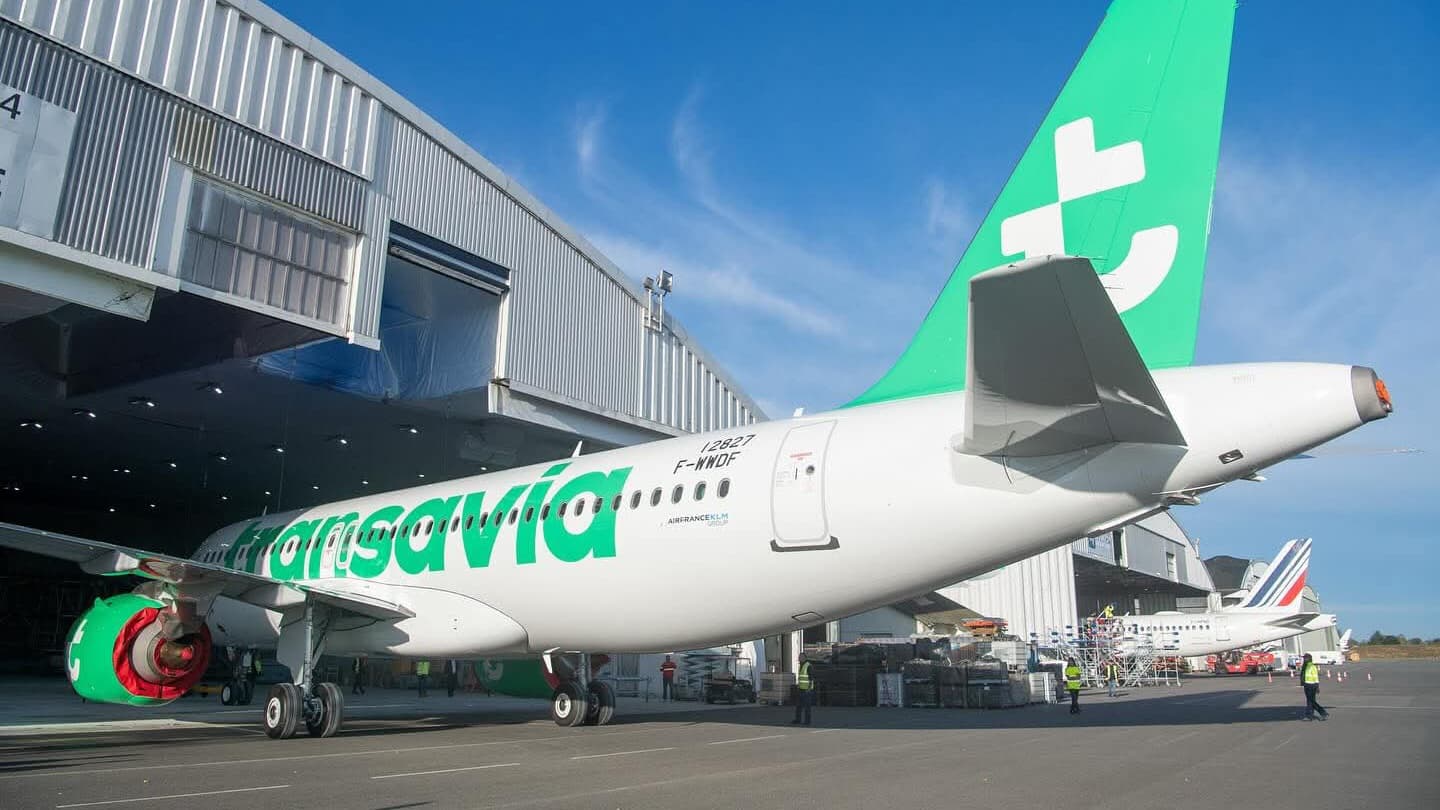
In response, the group has trimmed its 2026 available seat kilometer (ASK) growth forecast from 3-5% to 2-4%. Long-haul growth is reduced from 4% to 2-4%, while short- and medium-haul capacity remains flat. Transavia's growth is capped at 8-10%, down from 10%, and the low-cost carrier has already canceled some flights for May and June 2026. Non-operational hiring is frozen, discretionary spending minimized, and fuel surcharges applied. For ATC students, these capacity reductions mean fewer movements at major hubs like Paris Charles de Gaulle and Amsterdam Schiphol, potentially easing congestion but also altering traffic patterns. ATPL students should note how airlines use hedging—the group increased its fuel coverage from 68% to 87% of projected needs for the next year, a move that will save €1.3 billion in 2026.
**What This Means for Training**
This real-world scenario underscores the importance of understanding airline economics, route planning, and the ripple effects of geopolitical instability. For ATPL candidates, it highlights why fuel management and cost control are central to airline strategy. For ATC trainees, it shows how external shocks can shift traffic flows, as seen with cargo demand redirected from Middle Eastern carriers to European hubs. The industry is volatile, and this case study is a reminder that adaptability is key.