**A Real-World Lesson in International Health Regulations**
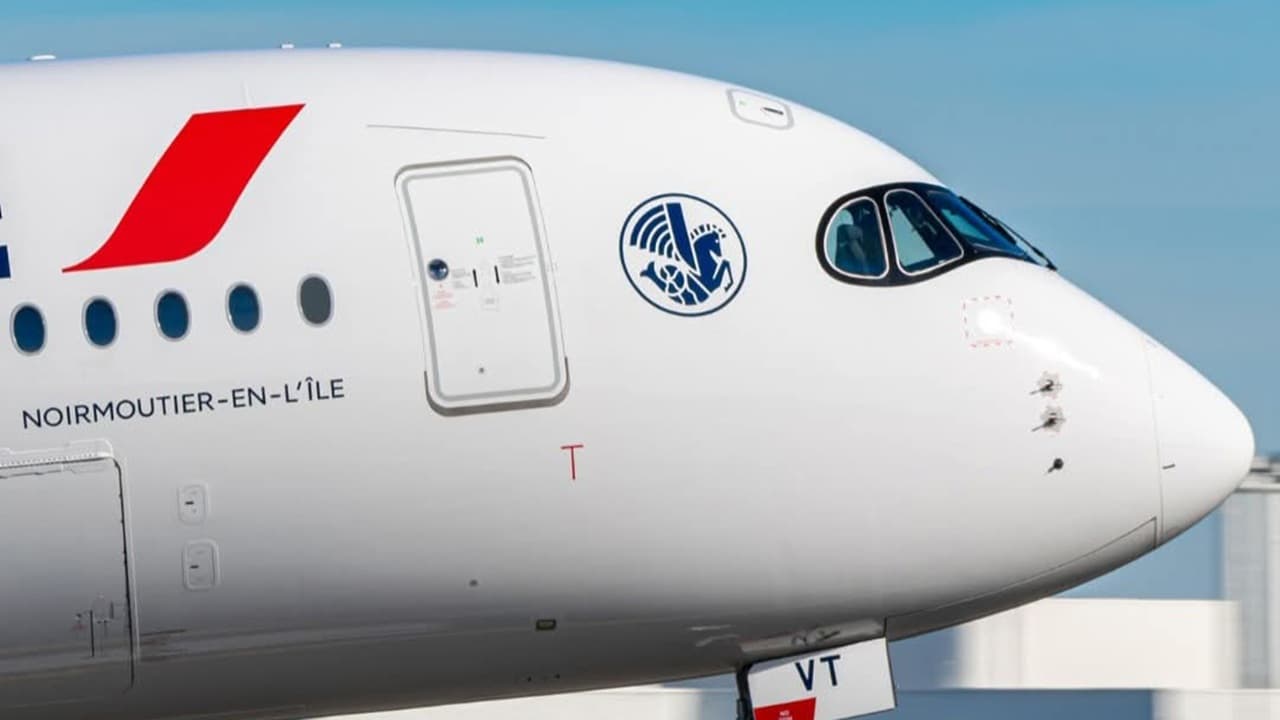
On May 20, Air France flight AF378 from Paris to Detroit was denied entry into US airspace and diverted to Montreal-Trudeau Airport after US authorities identified a passenger who had recently been in the Democratic Republic of Congo (DRC), a country facing an Ebola resurgence. The US Customs and Border Protection (CBP) stated that the passenger “should not have been allowed to board” due to current entry restrictions aimed at reducing Ebola risk. Air France confirmed the diversion, noting that no medical incident occurred onboard and that airlines must comply with destination countries' entry requirements.
**Why This Matters for ATPL and ATC Students**
For future pilots and air traffic controllers, this incident is a textbook case of how public health emergencies directly impact flight operations. It demonstrates the critical importance of pre-departure passenger screening, real-time communication between airlines and air traffic control, and the need for contingency planning when a flight is denied entry. ATC students should understand how such diversions are coordinated, including rerouting over international airspace, landing at alternate airports, and managing passenger and crew logistics. ATPL students must grasp the regulatory framework: countries can impose entry bans based on health risks, and airlines are legally bound to enforce them. Failure to do so can lead to costly diversions, legal liability, and reputational damage.
**Operational and Regulatory Implications**
The US Centers for Disease Control and Prevention (CDC) and Department of Homeland Security (DHS) had recently tightened screening for travelers from Ebola-affected regions, including the DRC, Uganda, and South Sudan. Under new rules, flights carrying such passengers might be required to land only at Washington-Dulles Airport. The AF378 diversion appears to be an early enforcement of these measures. For aviation professionals, this underscores the need to stay updated on NOTAMs and government directives that can change rapidly during health crises. It also highlights the importance of crew resource management (CRM) when handling unexpected diversions, especially when passengers may be anxious or confused.
**Broader Context: Ebola in the DRC**
The DRC is experiencing a significant Ebola outbreak, with approximately 600 suspected cases and 139 deaths, including 51 confirmed cases. The World Health Organization (WHO) has assessed the global risk as low but warns that the true scale may be larger. For ATPL students, understanding how such outbreaks affect aviation is crucial: they can lead to flight cancellations, rerouting, enhanced screening, and even temporary airspace closures. ATC students should be aware of how health alerts are integrated into flight planning and how they communicate with airlines during such events.
**Conclusion**
The AF378 diversion is a stark reminder that aviation operates within a complex web of international health regulations. For students training to become pilots or controllers, this case study illustrates the real-world consequences of regulatory compliance failures and the importance of robust operational procedures. It also emphasizes the need for clear communication between all stakeholders—airlines, ATC, health authorities, and border control—to ensure safety and efficiency during health emergencies.