Air France has announced a significant upgrade to its Premium cabin dining experience, the intermediate class positioned between Economy and Business. This move reflects a broader industry trend where airlines are investing heavily in the 'middle' cabin to attract both leisure and business travelers seeking enhanced comfort without the premium price tag of Business class. For ATPL and ATC students, understanding such product strategies is crucial, as they directly impact passenger expectations, cabin crew procedures, and even aircraft turnaround times—factors that influence operational planning and customer service training.
The most notable change is the complete overhaul of the second meal service on flights over seven hours. Previously identical to the Economy offering, the pre-arrival meal now features a dedicated menu served on a carefully presented tray, tailored to the flight's timing. On night flights, passengers receive a continental breakfast with a warm pastry, fromage blanc, and granola, while day flights offer a fresh snack duo of club sandwiches, including a vegetarian option. For flights exceeding ten hours, a composed salad with warm bread is added. This upgrade underscores Air France's commitment to refining the Premium experience, a lesson in how airlines differentiate products to maximize revenue and customer loyalty—a key topic in aviation management courses.
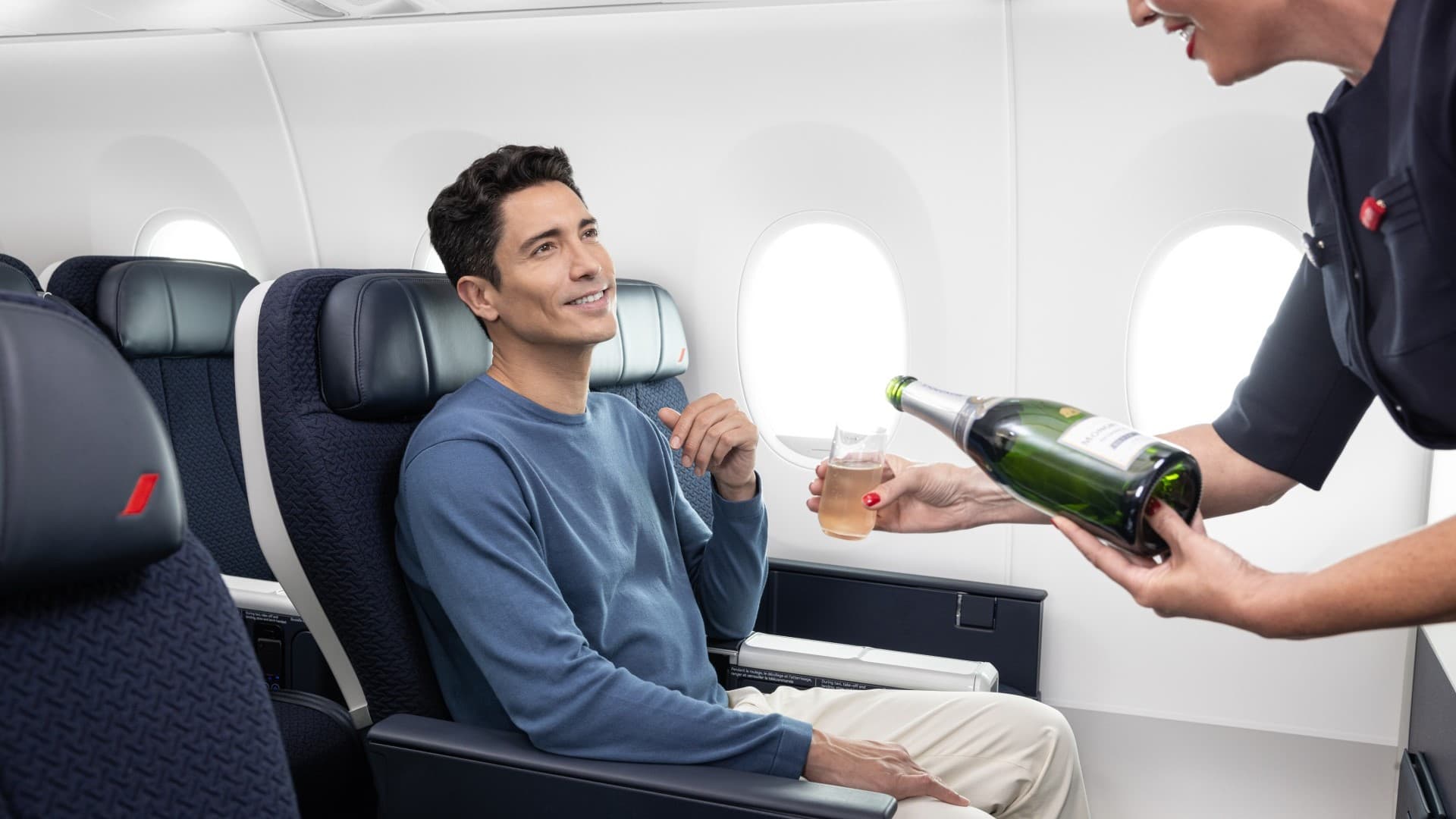
Additionally, all long-haul flights from Paris-CDG will feature signature menus by Michelin-starred chef Frédéric Simonin, a Meilleur Ouvrier de France. Passengers enjoy a full French meal with appetizers, a choice of two hot dishes, cheese, and dessert, served on eco-designed tableware with stainless steel cutlery. The menu includes options like salmon with pasta, crustacean sauce, varied vegetables, and vegetarian choices. Air France has also rebranded the cabin from 'Premium Economy' to simply 'Premium' to emphasize its upgraded status, complete with a welcome glass of champagne and more personalized service. For aviation students, this case study highlights the importance of branding and service design in creating a competitive edge, directly relevant to airline strategy modules in ATPL training.
From an operational perspective, these changes require careful coordination between catering services, cabin crew training, and flight scheduling. ATC students, while not directly involved in catering, benefit from understanding how such enhancements affect passenger flow and crew workload, especially during long-haul flights. The focus on eco-designed packaging also aligns with growing environmental regulations in aviation, a topic increasingly covered in ATPL syllabi. Overall, Air France's Premium revamp is a practical example of how airlines balance cost, quality, and sustainability—a core challenge in modern aviation.