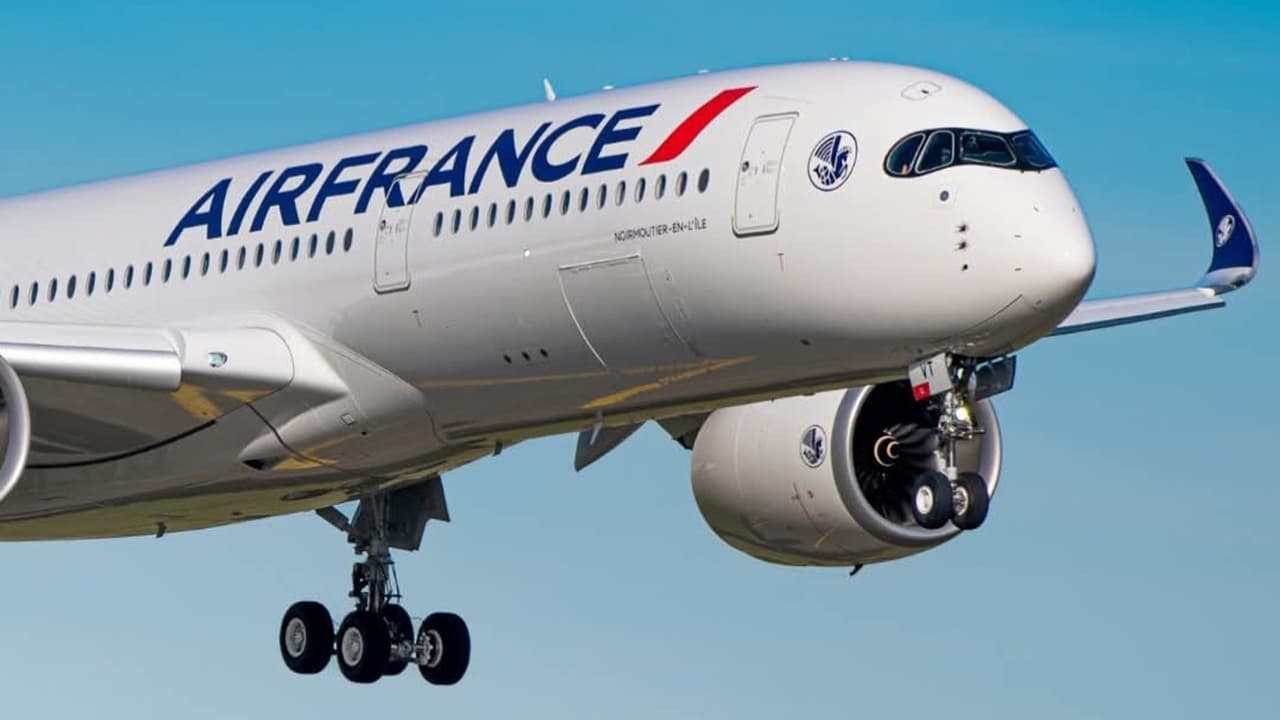
**A historic withdrawal from Bamako**
Air France has announced the definitive closure of its commercial representation in Mali, effective June 30, 2026. The decision comes three years after the airline suspended its seven weekly flights between Paris and Bamako in August 2023, following the closure of Niger's airspace after the July 2023 coup. The official letter, dated June 15, 2026 and addressed to local partner ATS, confirms that the local office will cease operations and that travel agencies must now use a digital help desk for support.
**A crisis rooted in geopolitics**
The suspension of flights and now the closure of the commercial office are direct consequences of the deteriorating diplomatic relations between France and the Sahelian juntas in Mali, Burkina Faso, and Niger. Since the military takeovers between 2020 and 2023, these countries have adopted sovereignist rhetoric, ended military cooperation with France, and imposed airspace restrictions. For ATPL and ATC students, this case illustrates how political instability can disrupt air transport operations, forcing airlines to reassess route viability and risk exposure.
**Impact on connectivity and alternatives**
After Air France suspended its Bamako flights, Turkish Airlines and Corsair partially filled the gap. However, Corsair has also suspended its Paris–Bamako service until June 30, 2026, citing security concerns. Passengers are now offered refunds or re-routing via Abidjan or Cotonou, without ground transport to Bamako. This situation highlights the fragility of air connectivity in conflict zones and the importance of contingency planning for airlines and ATC units.
**Broader implications for airline network strategy**
Air France's withdrawal from Bamako does not signal a retreat from West Africa but rather a reallocation of resources toward more politically stable destinations like Abidjan, Dakar, and Cotonou. For aviation students, this is a textbook example of how airlines manage network risk: they prioritize markets with predictable regulatory environments and security conditions. Understanding these dynamics is crucial for future flight dispatchers, route planners, and ATC professionals who must anticipate disruptions and adapt operations accordingly.
**What this means for ATPL and ATC students**
This real-world case study demonstrates how geopolitical events directly affect airspace management, flight planning, and airline commercial decisions. ATPL students learn about route planning and operational risk, while ATC students see how airspace closures and diplomatic tensions impact traffic flows and coordination between adjacent FIRs. The Sahel crisis is a reminder that aviation does not operate in a vacuum — it is deeply intertwined with international relations and security policies.