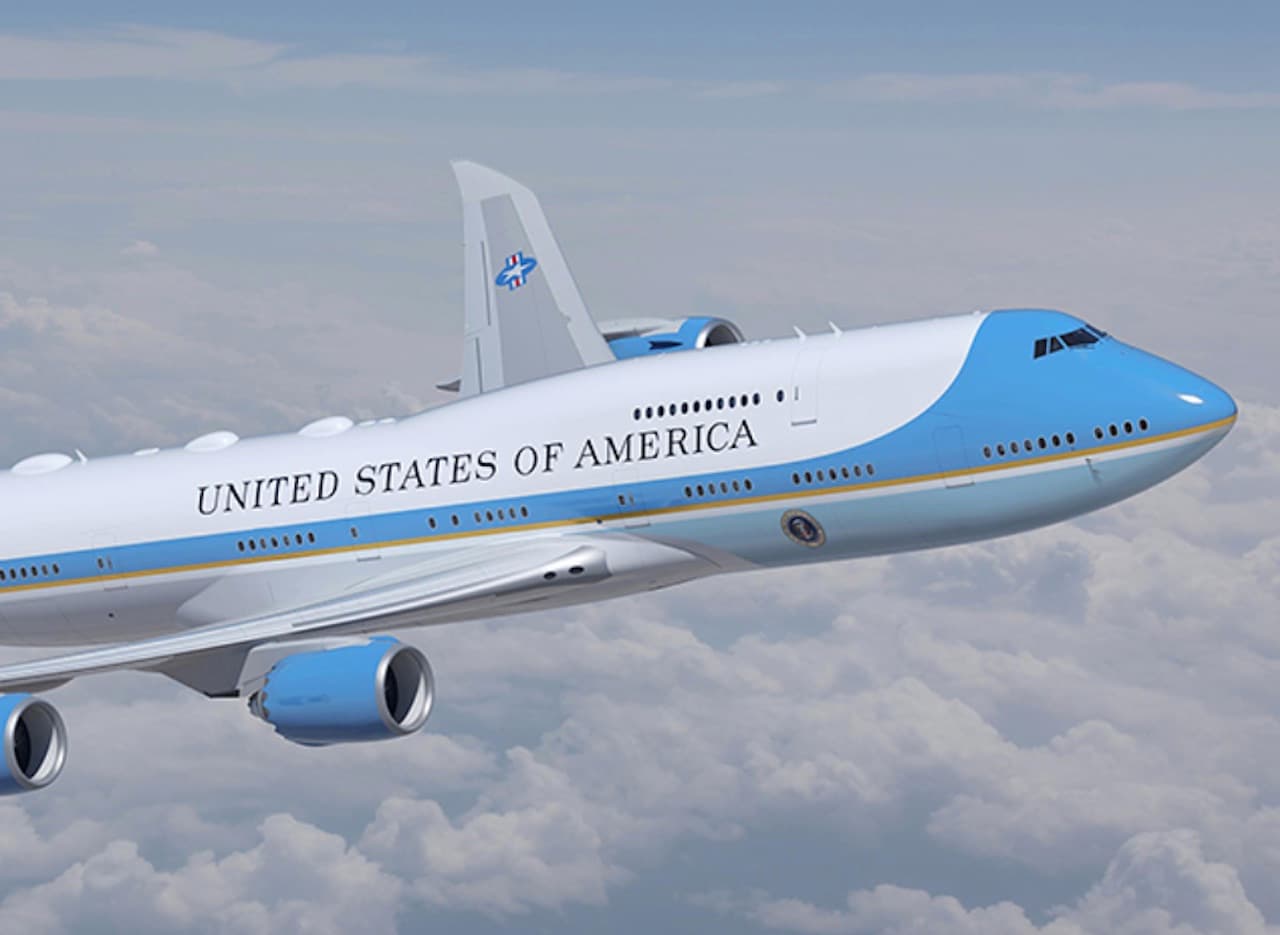
In a revealing episode from July, President Trump's departure from Ankara was not what it seemed. According to reports from the Washington Post and the New York Times, Trump boarded the iconic VC-25A (Boeing 747-200B) in front of cameras, but then secretly transferred to a C-32A (military Boeing 757-200) via a catering vehicle, leaving the 747 to fly journalists to RAF Mildenhall as a decoy. This operation, confirmed by White House communications director Steven Cheung, was a response to a credible Iranian threat against the president and his aircraft.
For aviation students, this story is a masterclass in operational security and deception. The use of a smaller, less conspicuous aircraft like the C-32A demonstrates how aircraft selection is not just about performance but also about profile and threat mitigation. The C-32A, with a range of 5,500 nautical miles, easily covered the Ankara-to-UK leg, proving that operational flexibility often trumps the symbolism of a large presidential jet.
The decoy tactic also highlights the importance of communication and coordination between ground crews, ATC, and security teams. The catering vehicle transfer was a ground operation that required precise timing and secrecy, underscoring the role of ground handling in high-security movements. For ATC trainees, this case illustrates how airspace management and ground movement control can be adapted to support such operations, even in allied nations.
Moreover, the incident raises questions about the legal and diplomatic aspects of using deception in international airspace. While the US has used similar tactics before, such as Bill Clinton's 2000 trip to Pakistan, this case shows that security concerns can override standard protocols. For ATPL students, understanding these operational realities is crucial, as they may one day fly or coordinate flights for high-profile passengers.
Finally, the story serves as a reminder that 'Air Force One' is a call sign, not a specific aircraft. This technical nuance is essential for pilots and ATCs, as it affects radio communications and flight planning. The ability to adapt to unexpected changes in aircraft identity and routing is a key skill in aviation, and this event provides a real-world example of how such flexibility is exercised at the highest levels.