**Air Congo’s Ambitious Leap: Kinshasa–Brussels by 2026**
Air Congo, the newly launched national carrier of the Democratic Republic of Congo (DRC), has announced plans to operate a direct route between Kinshasa’s N’Djili Airport and Brussels by July 2026. This move, supported by strategic partner Ethiopian Airlines (49% stake), marks a significant step in the DRC’s effort to reclaim its place on the intercontinental aviation map. For ATPL and ATC students, this development offers a real-world case study in airline strategy, fleet management, and airspace coordination.
**Strategic Context and Regional Buildup**
Before targeting long-haul operations, Air Congo is following a gradual expansion model. Launched in December 2024 with two Boeing 737-800s, the airline initially focused on domestic routes (Kinshasa to Lubumbashi, Goma, Kisangani). By March 2026, it will add regional destinations like Johannesburg, Entebbe, Cotonou, and Douala. This phased approach is typical for new African carriers backed by a major partner, allowing them to build a feeder network essential for long-haul viability. For ATPL students, this illustrates the importance of route planning and hub connectivity—a key topic in airline management modules. ATC students can analyze how Kinshasa’s airspace will handle increased traffic as the hub grows.
**Fleet and Operational Considerations**
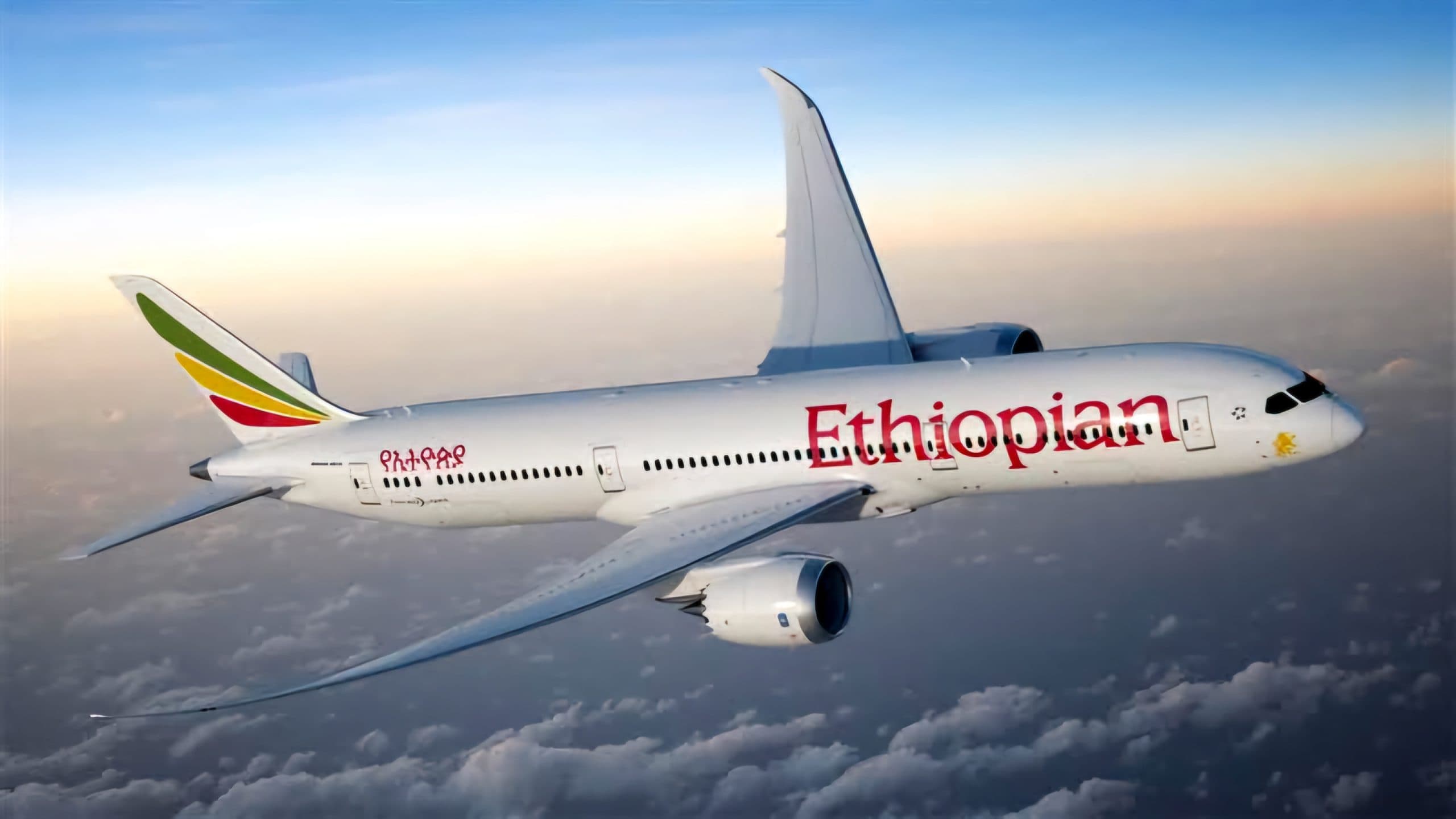
Air Congo’s fleet strategy is instructive. The airline will add two ATR 72-600 turboprops for domestic routes, optimizing for lower demand and shorter runways common in secondary Congolese airports. This decision reflects a practical understanding of infrastructure constraints—a lesson for ATPL students on aircraft selection based on operational environment. For the long-haul Kinshasa–Brussels route, the airline will likely use wide-body aircraft from Ethiopian’s fleet, though the exact type hasn’t been specified. ATC students should note the implications of integrating long-haul flights into a hub that currently handles mostly regional traffic, including changes in airspace management and slot coordination.
**Regulatory and Training Implications**
A critical aspect of the partnership is Ethiopian Airlines’ role in training Congolese personnel—pilots, cabin crew, and technicians. This transfer of expertise is vital for safety and compliance with international standards. For ATPL students, this highlights the importance of standardized training and the role of mentorship in building a competent workforce. ATC students can consider how new airlines affect air traffic control procedures, especially in a country with evolving aviation infrastructure. The DRC’s aviation authority will need to ensure that Air Congo meets ICAO standards, which is a key regulatory topic for both pilots and controllers.
**Conclusion**
Air Congo’s Kinshasa–Brussels route is more than a new flight—it’s a case study in airline strategy, fleet planning, and training. For ATPL and ATC students, it offers practical insights into how new carriers emerge, the importance of regional networks, and the regulatory frameworks that ensure safe operations. As the DRC re-enters the long-haul market, the aviation community will watch closely, and students can learn from both the successes and challenges ahead.