**A New Player in African Long-Haul Aviation**
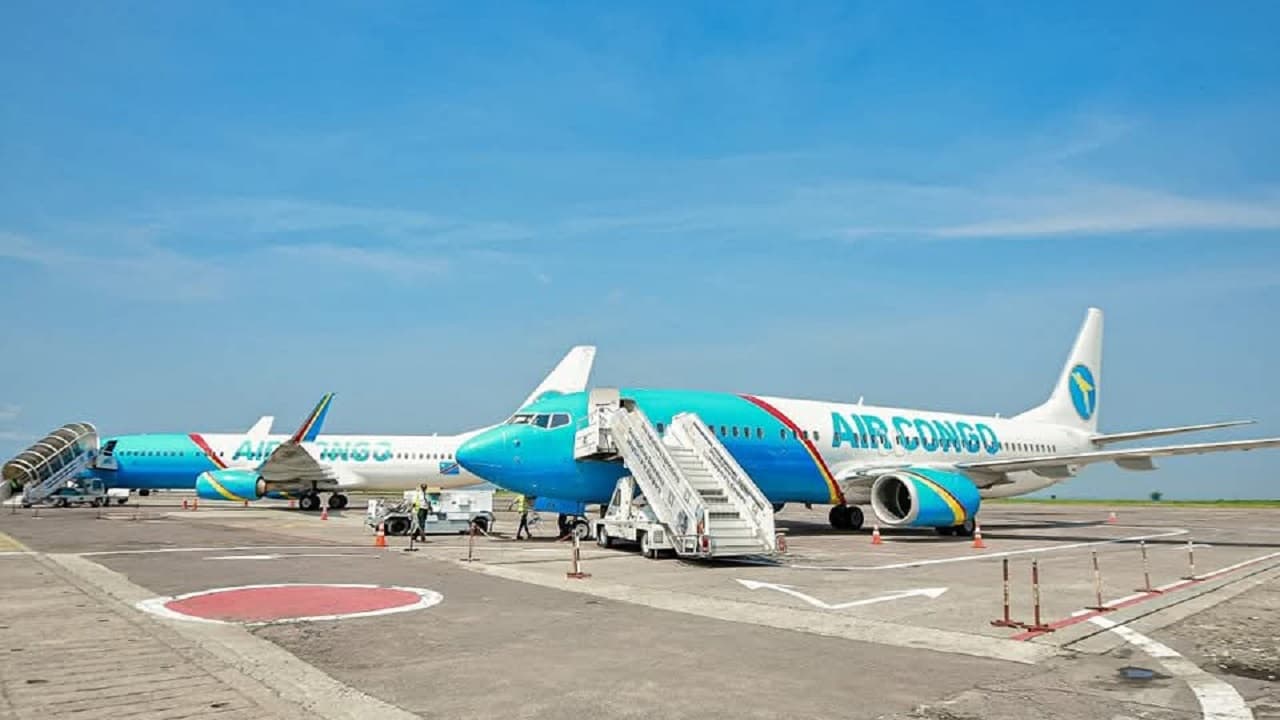
Air Congo, the Democratic Republic of Congo's (DRC) national airline founded in 2024 as a joint venture with Ethiopian Airlines (51% DRC, 49% Ethiopian), is set to launch its first intercontinental route: Kinshasa–Brussels, starting July 1, 2026. The route will be operated five times weekly with Boeing 787-8 Dreamliners provided by Ethiopian Airlines under an ACMI (Aircraft, Crew, Maintenance, Insurance) wet lease agreement. This move marks a significant step in the airline's ambition to become a regional hub and connect Central Africa to Europe and the Middle East.
**Why This Matters for ATPL and ATC Students**
For ATPL students, this development is a textbook example of airline business models and fleet planning. The use of wet-leased aircraft from a major partner like Ethiopian Airlines demonstrates how start-up carriers can enter long-haul markets without massive capital expenditure. Understanding ACMI contracts, aircraft performance (Boeing 787-8 range, fuel efficiency), and route economics is directly relevant to ATPL syllabus topics on airline operations and planning. For ATC trainees, the introduction of a new long-haul service from Kinshasa's N'djili Airport to Brussels Airport will require coordination of airspace management, slot allocation, and handling of increased traffic flows between Central Africa and Europe. The route also highlights the importance of diaspora traffic and geopolitical factors in route selection—a key consideration in air transport management.
**Network Expansion and Strategic Goals**
Beyond Brussels, Air Congo has publicly stated its ambition to serve Paris-Charles de Gaulle and Dubai, though no firm dates have been set. The airline already operates 11 domestic destinations with a 70% load factor, using Boeing 737-800s. This gradual expansion—from domestic to regional to intercontinental—mirrors the growth strategies studied in aviation management courses. The choice of Brussels is strategic: the Belgian capital hosts a large Congolese diaspora and has historical ties with Kinshasa, ensuring a solid demand base. Paris and Dubai represent further steps toward making Kinshasa a true hub for Central Africa, competing with established hubs like Addis Ababa (Ethiopian Airlines) and Nairobi (Kenya Airways).
**Health and Regulatory Context**
The launch comes amid a new Ebola outbreak in the DRC, which has already led Air France to temporarily suspend its Paris–Kinshasa service. However, ICAO and WHO maintain that air travel remains safe and do not recommend border closures. For ATPL students, this is a real-world case of how public health emergencies affect airline operations, route planning, and contingency measures—topics covered in aviation law and safety management courses. ATC students should note the potential for increased NOTAMs, health screening protocols, and coordination with health authorities at airports.
**Conclusion**
Air Congo's expansion is more than a news item—it is a living case study in airline strategy, fleet management, and operational challenges. For those training to become pilots or controllers, following such developments provides practical insight into the industry they are about to join.