**A New Chapter for the C919**
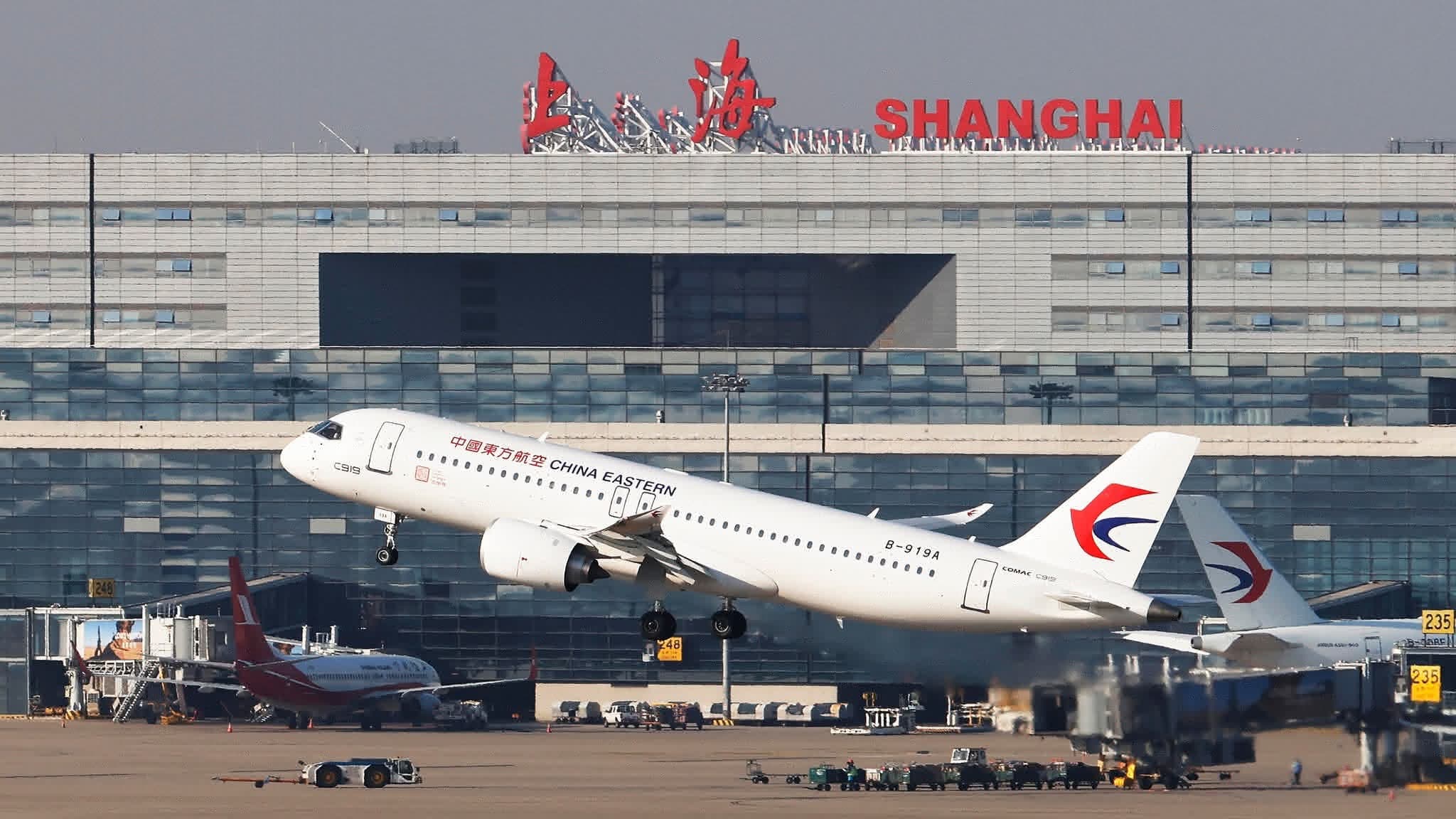
Air China will begin daily C919 flights between Beijing and Ulaanbaatar, Mongolia, on August 12, 2025, according to state-run Xinhua news agency. This marks the first regular international passenger service for the Chinese-built narrowbody, following earlier regional deployments to Hong Kong. The route connects two capitals and is seen as a diplomatic and commercial milestone for COMAC, the state-owned manufacturer.
**Program Background and Ambitions**
The C919 is a single-aisle aircraft designed to compete with the Airbus A320 and Boeing 737 families. Launched in 2007 with strong state backing, the first prototype rolled out in Shanghai in 2015, involving over 300,000 personnel and 1,000 enterprises. Its first commercial flight took place in May 2023 with China Eastern Airlines on the Shanghai–Beijing route. By the end of 2025, 31 C919s were registered in China, having carried over 4 million passengers on domestic and regional routes.
**Internationalization: Cautious but Growing**
Beyond Mongolia, COMAC's international strategy focuses on Asia-Pacific. The C919 already serves Hong Kong (considered a regional destination), and COMAC has opened a regional office in Singapore to promote its aircraft. The smaller C909 (formerly ARJ21) has secured orders from carriers in Vietnam, Laos, and Cambodia. However, the C919's global reach is constrained by its lack of certification from Western authorities.
**Western Dependencies and Supply Chain Vulnerabilities**
Despite Chinese design and assembly, the C919 relies on LEAP engines from CFM International (a Safran/GE joint venture) and avionics from Western suppliers. This dependency caused delivery delays in 2025 when the U.S. temporarily suspended engine exports amid trade tensions. COMAC delivered only 15 C919s last year, far below its target of 75. The manufacturer expects improved supply in 2026, aiming for at least 28 deliveries.
**Certification Hurdles**
The European Union Aviation Safety Agency (EASA) is conducting evaluation flights and technical reviews in Shanghai, but full certification is not expected for three to six years. This timeline pushes any potential European operations of the C919 into the next decade, limiting its immediate international competitiveness.
**Implications for ATPL and ATC Students**
For ATPL students, the C919's entry into international service introduces a new aircraft type to study, with unique systems and performance characteristics. ATC trainees should note that the aircraft's deployment on new routes may require updated handling procedures and coordination with Chinese authorities. Understanding COMAC's certification challenges also highlights the importance of regulatory frameworks in global aviation.