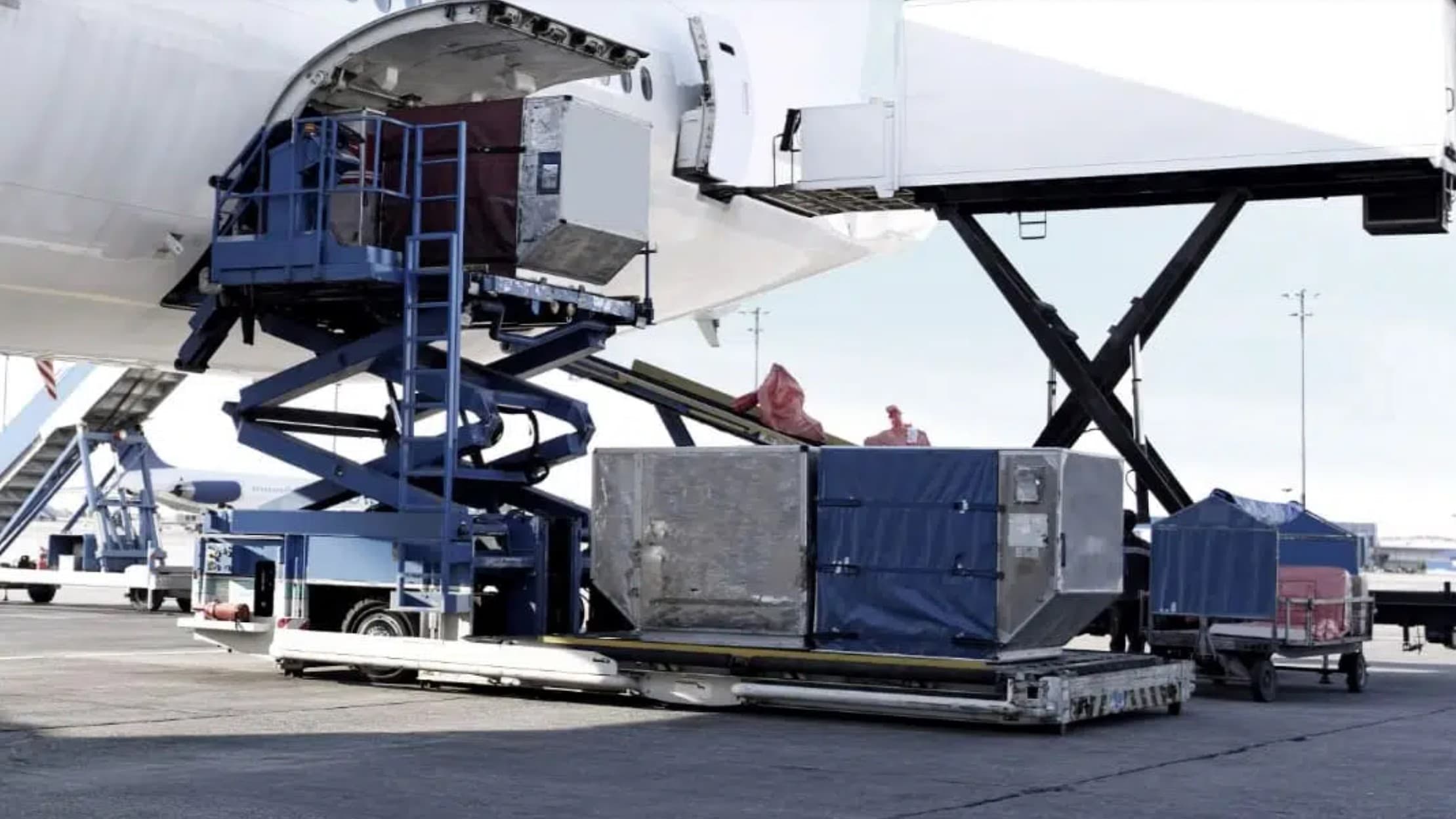
**Global air cargo demand continues its upward trajectory, with IATA reporting an 8.5% year-on-year increase in June 2026.** Measured in cargo tonne-kilometres (CTK), total demand rose 8.5% compared to June 2025, while international operations saw an even stronger 9.6% growth. Capacity, expressed in available cargo tonne-kilometres (ACTK), increased by 4.4% (4.9% for international), meaning demand outpaced capacity and pushed the overall load factor up by 1.7 percentage points to 46.9%. This is a clear sign of improved efficiency in cargo operations, a key metric for airlines and forwarders alike.
**Regional performance varied, but all major markets were in positive territory.** North America contributed the most to global growth, with a 13.1% surge in demand and a 6.2% capacity increase, lifting its load factor to 40.7% (+2.5 points). Asia-Pacific saw demand rise 7.9% against a 4.3% capacity expansion, achieving one of the world's highest load factors at 51.8%. Europe grew 6.9% in demand with 3.7% more capacity, reaching a load factor of 50.5%. The Middle East posted a 5.6% demand increase, though IATA notes the comparison is skewed by a weak June 2025 due to regional conflict. Latin America and the Caribbean saw demand up 3.5% but capacity jumped 9.8%, dragging the load factor down to 33.9%, the lowest regionally. Africa bucked the trend with demand up 4.7% and capacity down 7.1%, boosting its load factor to 48.1% (+5.4 points).
**Macroeconomic factors are supporting the cargo boom.** Global trade expanded 5.2% year-on-year, but air cargo grew faster, driven by high-value tech products and urgent shipments. Jet fuel prices fell 20% month-on-month in June but remain 45.8% higher than a year ago. The global manufacturing PMI stands at a healthy 53.0, though export orders have been below 50 for four consecutive months, a potential warning sign. IATA Director General Willie Walsh expressed cautious optimism for H2 2026, citing the broad-based growth, but warned of risks from Middle East hostilities and renewed US tariff tensions, which could disrupt trade flows and raise costs.
**For aviation professionals, these figures are more than statistics—they reflect the health of the industry and its sensitivity to global economic shifts.** Air cargo remains a leading indicator of economic activity, and its performance directly impacts airline profitability, network planning, and even pilot and ATC workload. Understanding these trends is essential for anyone entering the field, as cargo operations increasingly influence scheduling, aircraft utilisation, and airport infrastructure decisions.