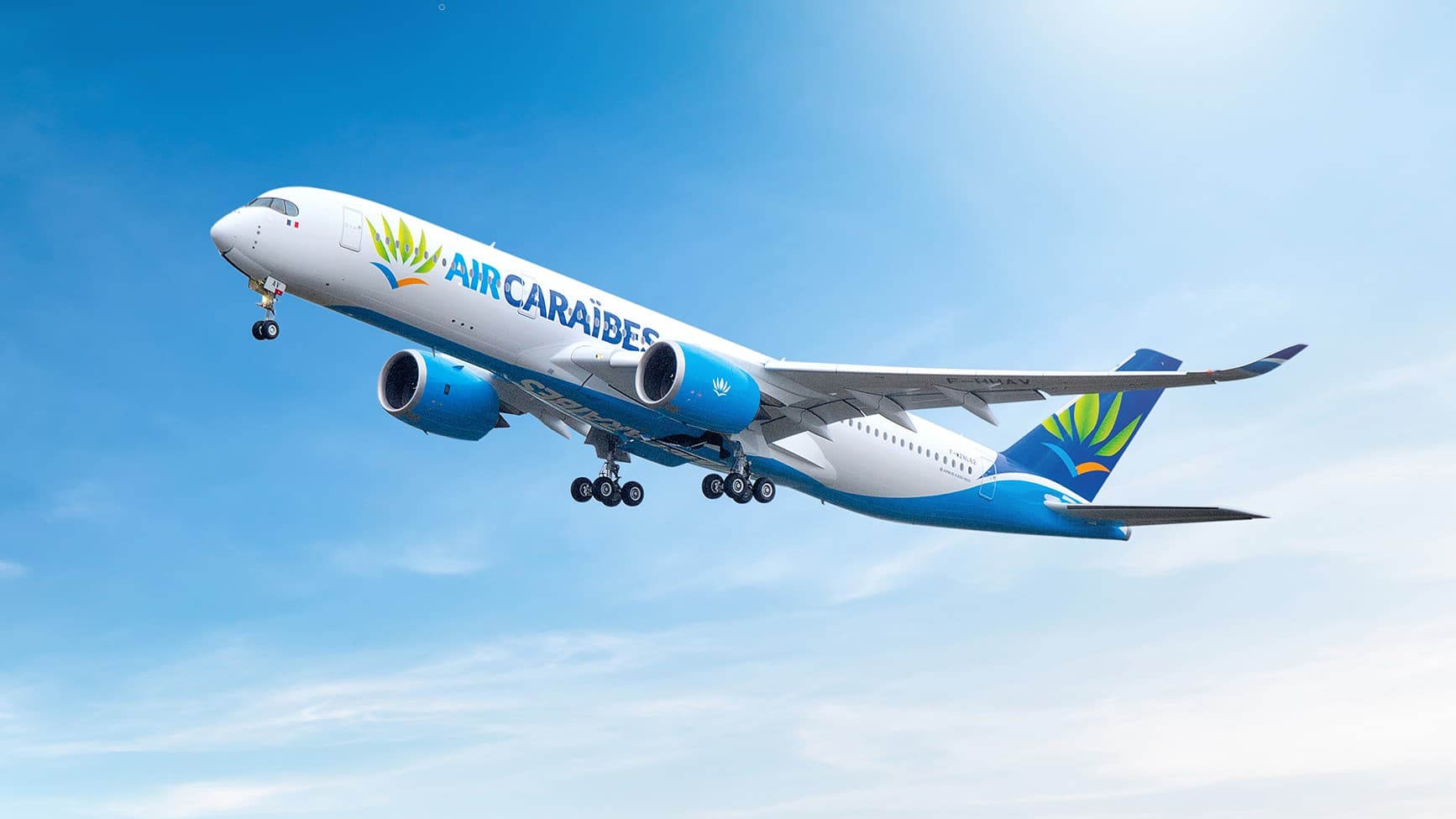
Air Caraïbes has reached a significant milestone: 30 million passengers carried over 25 years of operations between Paris-Orly and the Caribbean, including destinations in Guadeloupe, Martinique, French Guiana, and beyond. This achievement is not just a commercial success but a testament to the airline's strategic evolution from a small regional carrier to a key transatlantic player. For ATPL and ATC students, understanding this journey provides valuable lessons in airline management, fleet modernization, and the dynamics of niche markets.
The airline's fleet strategy is particularly instructive. Air Caraïbes was the first French carrier to operate the Airbus A350 XWB on routes to the Antilles and French Guiana. Today, its long-haul fleet consists of A350-900 and A350-1000 aircraft, complemented by A330s, while regional connections rely on ATR 72-600s. This mix of modern, fuel-efficient widebodies and turboprops reflects a careful balance between capacity, range, and operational efficiency. For students studying aircraft performance or airline economics, this case highlights how fleet composition directly impacts route profitability and environmental compliance.
From an ATC perspective, the airline's operations at Paris-Orly and its Caribbean destinations involve complex scheduling and airspace management. The announcement of A350-900 service to Saint Martin's Princess Juliana Airport—a challenging approach known for its short runway and surrounding terrain—underscores the importance of pilot training and ATC coordination. Such operations require precise navigation skills and robust communication between cockpit and control towers, topics central to ATPL and ATC curricula.
The competitive landscape in the Caribbean air market—involving Air France, Corsair, and others—also offers a real-world example of market dynamics. Air Caraïbes focuses on VFR (Visiting Friends and Relatives) and leisure traffic, segments highly sensitive to pricing and service quality. This strategy influences everything from cabin configuration (three classes: Madras, Caraïbes, Soleil) to marketing campaigns like the "30 million mercis" contest. For students, analyzing these choices helps connect theoretical concepts of demand elasticity and customer segmentation to actual airline decisions.
Finally, the airline's growth trajectory—from a struggling regional operator to a 30-million-passenger carrier—demonstrates the importance of adaptability and long-term vision. As ATPL and ATC trainees prepare for careers in a rapidly evolving industry, studying such success stories can inspire and inform their understanding of aviation's broader business and operational realities.