New Caledonia's air connectivity is currently a story of two extremes: a severe domestic crisis paralyzing the Loyalty Islands, and a promising international expansion with the return of Fiji Airways. This contrast underscores the archipelago's heavy dependence on aviation for territorial cohesion and economic development.
**Domestic Blockade: Three Months of Isolation**
Since March 2, airports on Lifou, Maré, and Ouvéa have been blocked by groups opposing the transfer of Air Calédonie's operations from Magenta urban airport to La Tontouta International Airport, 40 km from Nouméa. Protesters argue that the move increases travel time and costs for island residents. The blockade has halted regular flights, leaving 18,000 inhabitants isolated. According to an AFP report, the economy is at a standstill, and medical care is interrupted. Air Calédonie, already weakened by COVID-19 and 2024 riots, was placed under judicial reorganization on April 14. The government insists the transfer is necessary to reduce costs and capture international traffic, but critics call for a moratorium to restore territorial continuity.
**First Signs of De-escalation**
A potential breakthrough emerged when the grand chief of Lifou's Wetr district called for calm, and the protest collective agreed not to prevent landings. However, this fragile compromise does not resolve the underlying dispute over the transfer or Air Calédonie's financial viability. Ouvéa, lacking regular maritime links, remains particularly vulnerable.
**International Bright Spot: Fiji Airways Returns**
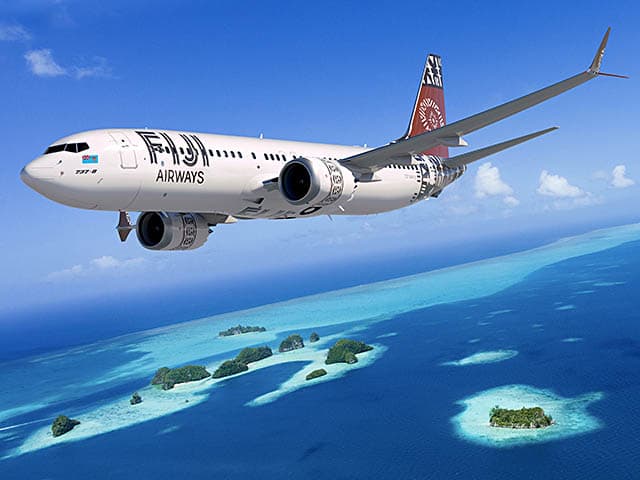
In contrast, Fiji Airways announced it will resume flights between Nadi and Nouméa from September 22, 2026. This direct route, under two hours, complements Aircalin's existing service and strengthens New Caledonia's position in the South Pacific network. It offers new connections to Australia, New Zealand, and North America via Fiji, benefiting both tourists and residents seeking alternative travel options.
**Implications for ATPL and ATC Students**
This case study illustrates how political and social factors can disrupt air services, impacting flight planning, NOTAMs, and airspace management. It also highlights the strategic importance of regional connectivity for island nations, a key concept in aviation geography and route planning.