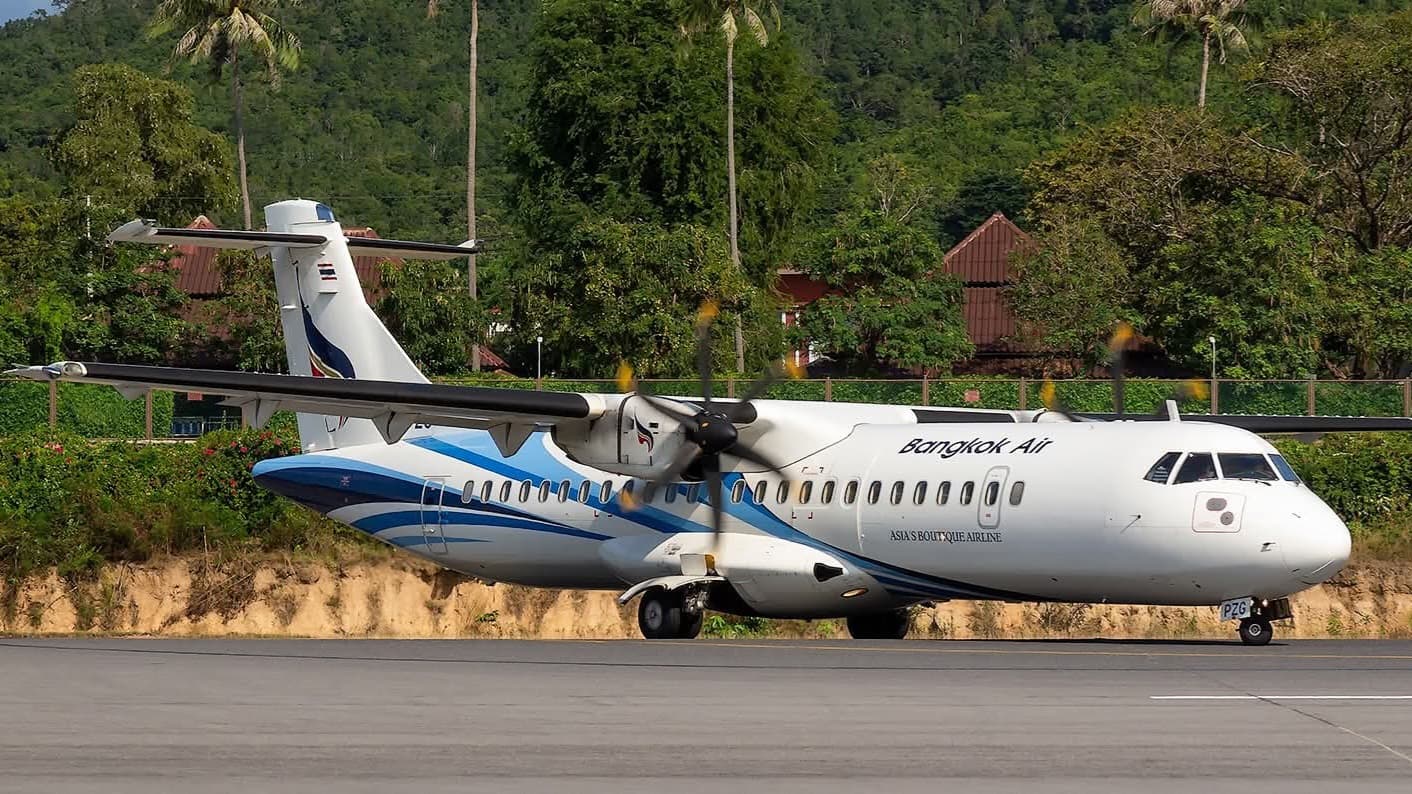
Air Austral, the airline of Réunion Island, has announced a new commercial agreement with Bangkok Airways, designed to connect passengers from La Réunion to a range of tourist and regional destinations in Thailand, Laos, and Cambodia via Bangkok's Suvarnabhumi Airport. This partnership, structured as a Special Prorate Agreement (SPA), allows the airline to sell itineraries on a single ticket, with connections operated by Bangkok Airways beyond Bangkok. The move is part of Air Austral's broader strategy to densify its network without launching new routes of its own, leveraging partners to extend its reach into markets that were previously less accessible from the Indian Ocean.
Under the agreement, passengers can book their entire journey under an Air Austral ticket, with baggage checked through to the final destination—a critical convenience for itineraries involving a change of carrier. While Air Austral does not operate flights to these new points, the SPA enables combined pricing and seamless itineraries, a model that suits the airline's long-haul network, which relies heavily on partnerships beyond its own routes. Hugues Marchessaux, Chairman of Air Austral's Executive Board, emphasized that the partnership marks a new step in the airline's Asian development, simplifying travel for passengers while allowing them to go further.
The destinations now accessible include Koh Samui, a major beach destination in the Gulf of Thailand; Lampang in the north; Sukhothai, the ancient capital of the Siam kingdom; Trat, gateway to Thailand's eastern islands; Luang Prabang in Laos; and Phnom Penh and Siem Reap in Cambodia. Bangkok Airways operates these routes from its Suvarnabhumi hub, and the new offer complements Air Austral's existing partnerships via Bangkok, including connections to Chiang Mai, Phuket, and Krabi, as well as its broader agreement with Thai Airways, which extends to over 35 Asian destinations such as China, South Korea, Singapore, Malaysia, India, Vietnam, and Indonesia.
For aviation students, this agreement is a textbook example of how airlines use interline and prorate agreements to expand their networks without additional aircraft or crew. It illustrates the commercial logic behind such partnerships, the importance of hub connectivity, and the operational considerations like baggage interlining. Understanding these mechanisms is essential for future airline managers and network planners, as they form the backbone of global air connectivity, especially for smaller carriers operating long-haul routes to niche markets.