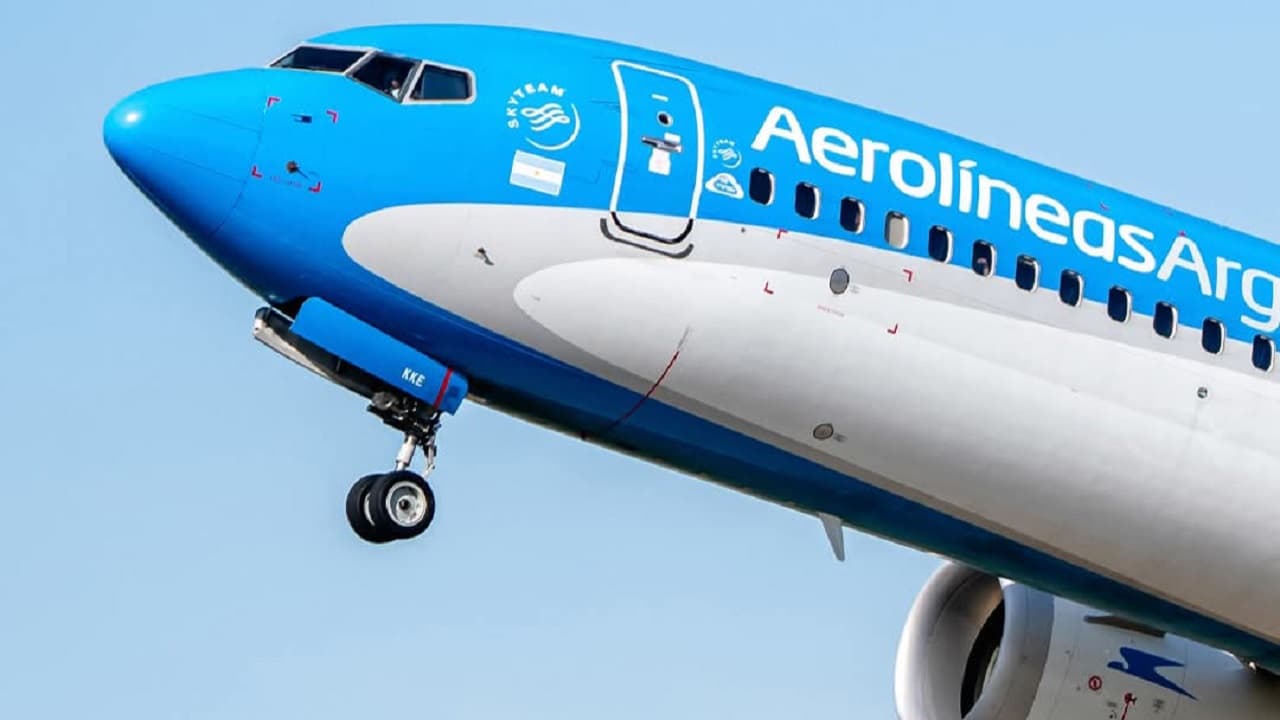
At the Farnborough Airshow, Aerolíneas Argentinas announced a major fleet renewal program, signing lease agreements for six Airbus A330neo and six Boeing 737 MAX 10 aircraft. The A330neos, sourced from lessor Avolon, will be delivered from the first half of 2028 and configured in a three-class layout with 291 seats: 30 in Business, 24 in Premium Economy, and 237 in Economy. This marks the first introduction of a Premium Economy cabin on the airline's long-haul fleet.
The six A330neo will gradually replace the carrier's existing Airbus A330-200s, offering improved fuel efficiency and operational performance. The choice of the A330neo leverages the airline's existing familiarity with the A330 family, reducing pilot training requirements and easing integration. The lease structure through Avolon provides financial flexibility, a key consideration for airlines managing capital constraints.
On the medium-haul side, Aerolíneas Argentinas also confirmed six Boeing 737 MAX 10 aircraft through a lease with Aviation Capital Group. These will support the renewal of its narrow-body fleet, which currently includes 28 737-800s and 15 737 MAX 8s. The overall plan, covering the 2027–2031 period, aims to replace about 25% of the total fleet and 60% of long-haul capacity. Notably, the airline states that the entire program will be funded from its own resources, signaling improved financial health.
For ATPL and ATC students, this announcement illustrates real-world fleet planning dynamics. The transition from A330-200 to A330neo involves differences in engine technology (Rolls-Royce Trent 7000 vs. Trent 700) and systems updates, which affect type rating and operational procedures. The addition of Premium Economy also impacts cabin crew training and weight-and-balance calculations. Understanding such fleet decisions helps future pilots and controllers appreciate how airlines balance technical continuity, cost, and market demands.