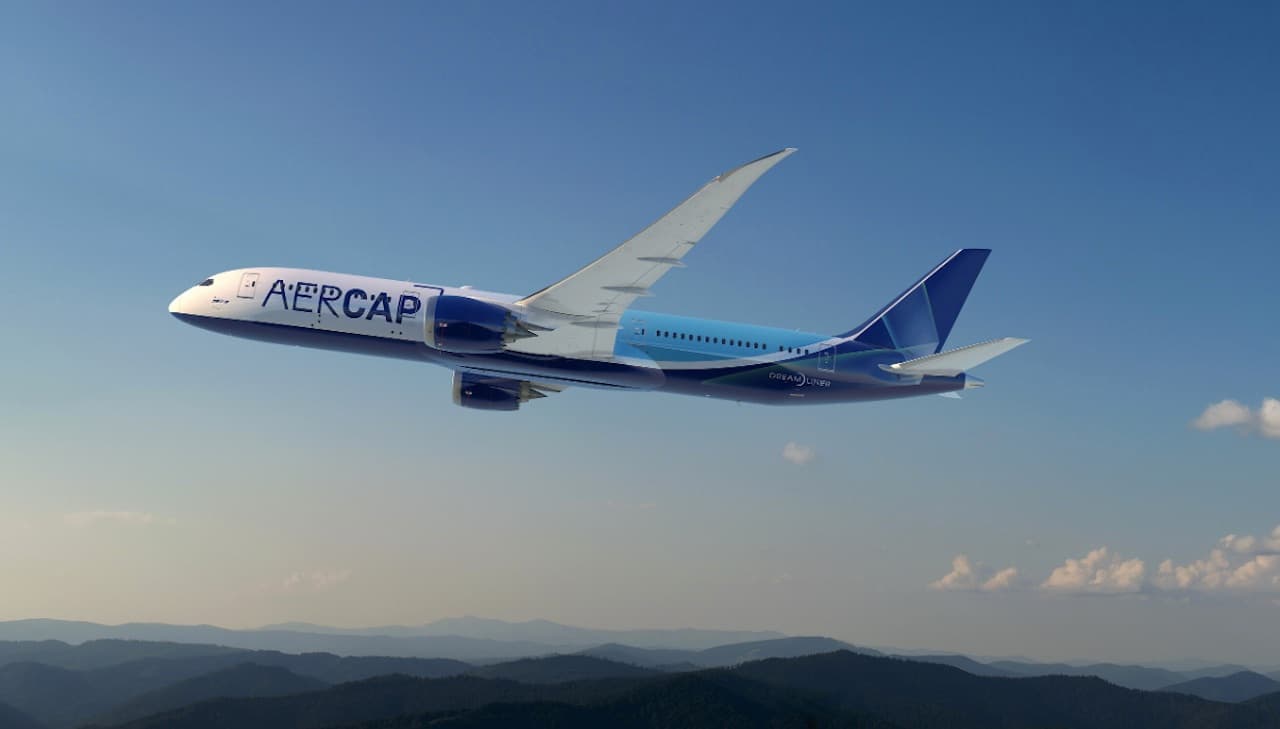
AerCap, the world's largest aircraft lessor, announced a firm order for 15 additional Boeing 787-9 Dreamliners at the Farnborough Airshow, bringing its total 787 portfolio to approximately 140 aircraft. The deal includes substitution rights to the larger 787-10 variant, highlighting the flexibility that lessors offer to airlines in a market where fuel-efficient long-haul aircraft remain in high demand.
For ATPL and ATC students, this order is more than a corporate announcement—it reflects real-world fleet dynamics that directly impact flight planning, performance calculations, and airspace management. The 787-9, with a range of up to 8,300 nautical miles, is a staple on ultra-long-haul routes, while the 787-10, offering about 50 more seats, is optimized for high-density, shorter long-haul sectors. Understanding these differences is crucial for pilots who must manage fuel loads, alternate airports, and ETOPS requirements, and for controllers who handle the resulting traffic patterns.
Boeing emphasizes that the 787 family has carried over 1.3 billion passengers and opened more than 540 new non-stop routes since its entry into service. The 787-10 consumes 25% less fuel and emits 25% less CO2 than the aircraft it replaces, a key selling point as airlines face mounting pressure to reduce their environmental footprint. For students, this underscores the importance of understanding aircraft performance metrics and their operational implications—topics covered in ATPL performance and flight planning modules.
AerCap's CEO Aengus Kelly noted that the order reinforces the company's position as the largest 787 owner globally, and that the aircraft's versatility makes it easy to place with airlines across diverse markets. This liquidity is a critical factor in aircraft leasing, and for ATC trainees, it means that Dreamliners will increasingly appear in their sectors, requiring familiarity with their performance characteristics and noise profiles.
The broader market context is one of cautious optimism: airlines are replacing older quad-jets and twinjets with more efficient models, and lessors like AerCap provide the capital flexibility to do so without immediate heavy investment. For ATPL students, this translates into a growing demand for type ratings on modern aircraft like the 787, and for ATC students, it means adapting to a fleet that is both more capable and more standardized in its performance envelope.