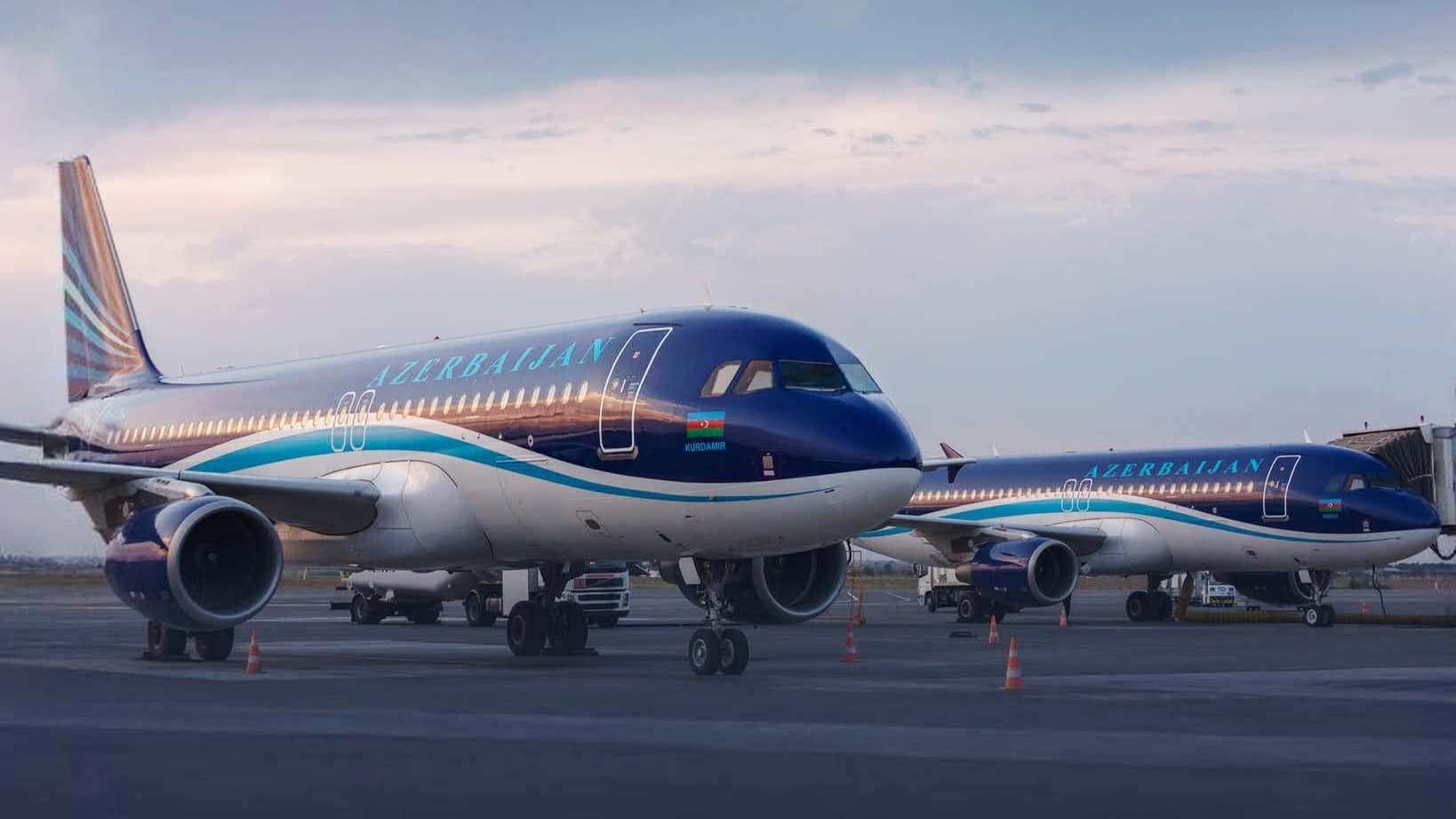
**AerCap delivers first A321neo to Azerbaijan Airlines**
On June 26, 2026, AerCap delivered the first of three Airbus A321neo aircraft to Azerbaijan Airlines (AZAL) during a ceremony at Airbus's delivery center in Hamburg. This delivery is part of a six-aircraft agreement signed in 2024, covering three A320neo and three A321neo units. The A321neo is the largest single-aisle variant in the A320neo family and represents a significant upgrade for AZAL's fleet.
**Fleet modernization and leasing strategy**
The A321neo joins two A320neo already delivered earlier this year under the same AerCap lease agreement. The remaining four aircraft—one A320neo and two A321neo—are scheduled for delivery by November 2026. This leasing program complements AZAL's direct orders with Airbus and Boeing, including twelve A320neo family aircraft and eight Boeing 787-8s, expected from 2026 onward. AZAL aims to grow its fleet from under 30 aircraft today to around 50 by 2032, reinforcing Baku Heydar Aliyev International Airport as a regional hub.
For ATPL and ATC students, this case highlights the critical role of aircraft leasing in airline fleet planning. Leasing allows carriers to modernize quickly without large capital outlays, affecting route networks, crew scheduling, and maintenance planning. Understanding lease agreements and delivery schedules is essential for future airline managers and dispatchers.
**Technical specifications and operational impact**
The A321neo delivered to AZAL features a two-class cabin with 191 seats—business and economy in a 3-3 configuration. It is equipped with the latest in-flight entertainment system and high-speed Wi-Fi, part of Airbus's Airspace cabin. The aircraft will be deployed on high-demand routes to Turkey, the Middle East, and India, where its greater capacity over the A320ceo is advantageous.
Compared to previous-generation aircraft, the A321neo offers approximately 20% lower fuel consumption and CO₂ emissions per seat, along with a range of up to 7,400 km. This opens new route possibilities and supports AZAL's sustainability goals. For ATC trainees, the A321neo's performance characteristics—such as climb rate, noise footprint, and approach speeds—differ from older types, requiring updated handling procedures and airport compatibility checks.
**Strategic significance**
Jamil Manizade, AZAL's commercial director, stated that the A321neo arrival marks a key step in the airline's long-term fleet modernization strategy, improving operational efficiency and network growth. AZAL, an IATA member with a Skytrax four-star rating, has been named best regional airline in Central Asia and the CIS multiple times. The addition of the A321neo to its existing A319, A320ceo, and A320neo fleet underscores a shift toward more modern, fuel-efficient, and passenger-friendly aircraft.
For ATPL students, this fleet evolution illustrates the practical importance of type ratings and transition training. Pilots moving from A320ceo to A321neo must master differences in systems, performance, and handling. Similarly, ATC students should note that new aircraft types may require updated airport slot coordination and noise abatement procedures.