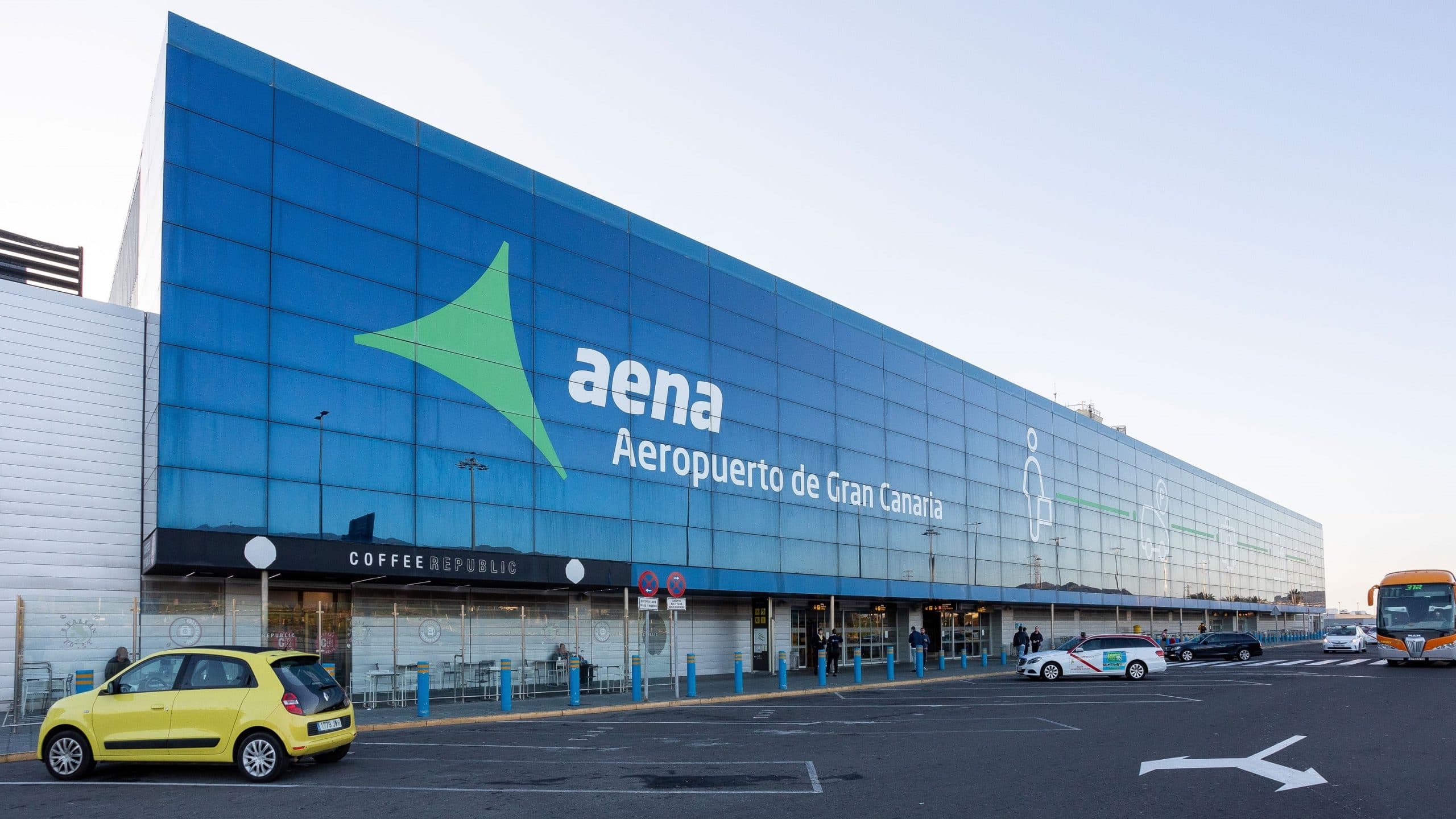
**Aena, the world's largest airport operator by passenger numbers, has announced it will temporarily cap traffic growth at Madrid-Barajas and Barcelona-El Prat from summer 2027.** The measure targets slot allocation and terminal capacity to prevent saturation while a major investment cycle (DORA III, 2027–2031) gets underway. For ATPL and ATC students, this is a textbook case of how real-world airport capacity constraints shape daily operations.
**Why this matters operationally.** In 2025, Madrid handled over 68 million passengers against a theoretical capacity of 70 million, while Barcelona exceeded 57 million against 55 million. Both hubs are already at their operational ceiling, especially during peak hours and tourist seasons. Aena's new approach moves from a global runway-based capacity to a terminal-by-terminal limit, broken down by segment (domestic, Schengen, non-Schengen). This aligns with practices at major international hubs and directly impacts how slots are coordinated — a topic central to ATC and airline dispatch training.
**What changes for airlines and slots.** Aena will not revoke historical slot rights. Instead, it will filter growth requests: new slots will only be granted on less congested time bands, while peak-hour slots will be refused. The goal is to smooth passenger peaks and maintain service quality, particularly at security and border checkpoints, which are major bottlenecks. This is a practical illustration of slot coordination principles that ATPL students study in Air Law and Operations, and that ATC trainees encounter in flow management.
**Temporary measure pending DORA III investments.** The cap is presented as transitional, to be lifted as the €13 billion DORA III plan expands and modernises infrastructure. Barcelona gets €3.2 billion, Madrid €2.4 billion. For students, this shows how airport planning cycles (DORA) link directly to operational limits — a key concept in airport management modules.
**Broader context.** Aena reported 180.9 million passengers in H1 2025 (+4.7%) and net profit of €893.8 million. The robust growth underscores why capacity management is critical. For future pilots and controllers, understanding these constraints is essential: they affect flight planning, delay risks, and the operational environment you will work in.