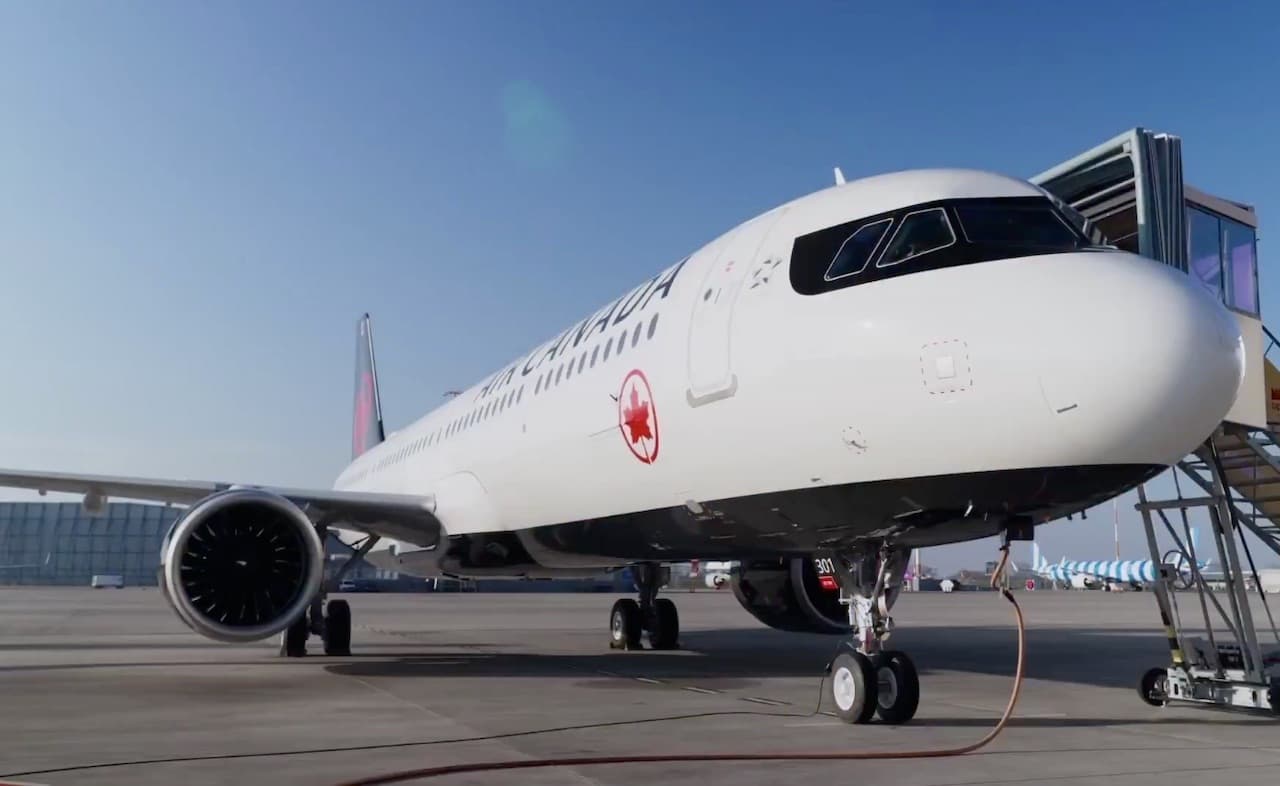
Air Canada has confirmed that its Airbus A321XLR deliveries are running approximately two years behind schedule, a setback that directly affects the carrier’s transatlantic expansion strategy. Mark Nasr, Executive Vice President and Chief Operating Officer, stated during a Montreal event that the delays are not isolated to one manufacturer but reflect broader “frictions in the system” across the aerospace supply chain. The airline is now operating its first commercial A321XLR flights this month, but the gap between order and delivery has forced significant operational adjustments.
For ATPL and ATC trainees, this case study highlights how fleet planning is never static. Airlines must constantly re-evaluate route profitability, aircraft utilization, and crew scheduling when delivery timelines slip. The A321XLR is a long-range narrowbody designed for “niche” transatlantic routes like Toulouse and Copenhagen—destinations that do not justify a widebody but still require extended range and a long-haul cabin. Understanding the trade-offs between aircraft types is a core part of airline management and operational planning, topics covered in ATPL syllabus modules on flight planning and performance.
Beyond the XLR, Air Canada is closely watching Airbus’s potential stretched version of the A220, often called the A220-500. The airline already operates A220-100 and A220-300 aircraft on cross-border routes to the United States. Mark Nasr emphasized that technical specifications—especially range—will be critical before any decision is made. For ATC students, this illustrates how aircraft performance data (range, payload, fuel burn) directly influences route network design and airspace demand. A larger A220 could open new city pairs or increase frequency on existing ones, altering traffic patterns that controllers must manage.
The broader context is a global supply chain under strain, with both Airbus and Boeing struggling to ramp up production of next-generation narrowbodies. Air Canada’s experience mirrors that of many airlines: delivery delays force route adjustments, fleet mix changes, and even temporary capacity reductions. For future aviation professionals, this real-world example underscores the importance of flexibility in airline operations and the ripple effects that industrial bottlenecks have on day-to-day flying.
In summary, Air Canada’s fleet strategy is a textbook case of how external industrial factors shape airline decisions. Whether you are studying for an ATPL or preparing for an ATC rating, understanding these dynamics helps you anticipate the operational challenges that airlines and air navigation service providers face when aircraft deliveries do not go as planned.