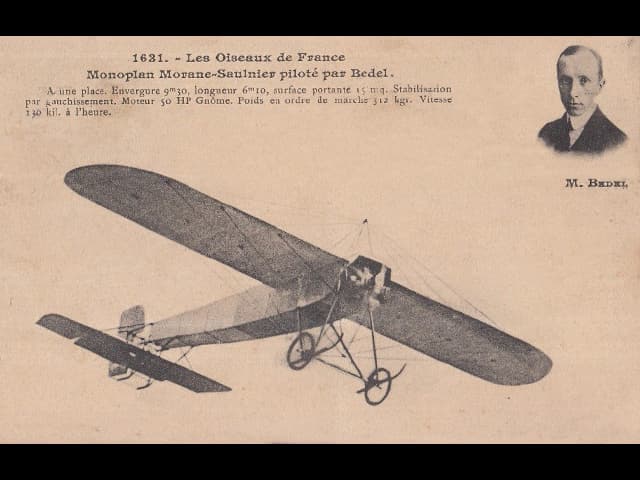
The history of aviation is marked by numerous pioneering achievements, and one such notable event occurred on April 10, 1912. René Bedel, a renowned pilot of his time, embarked on a daring raid from Nancy to Bar-le-Duc, a distance of approximately 90 kilometers. This journey was not without its challenges, as Bedel faced unfavorable weather conditions, including hail and strong winds gusting up to 70 kilometers per hour. Despite these obstacles, he persevered, flying his Morane-Saulnier monoplane, equipped with a Gnome engine, at a speed of 37 kilometers per hour. The flight, which commenced in the morning, required three times the usual duration to reach its destination. Upon arrival, Bedel's aircraft capsized due to the relentless wind, marking the end of an epic aerial adventure. This feat showcases the determination and skill of early aviators, who paved the way for modern aviation. For ATPL and ATC students, understanding the historical context of aviation and the challenges faced by pioneers like René Bedel is essential in appreciating the development of safety protocols and technological advancements in the industry. The story of Bedel's turbulent flight serves as a reminder of the importance of weather awareness, aircraft performance, and pilot skill, all of which are critical components of modern aviation training.